Scotland has 18 distinct regions, each with its own landscapes, character, accent and reasons to visit.
The mountainous Highlands and the beautiful Hebrides are the ones most visitors picture, but the rolling Borders, the coast of Moray, the whisky distilleries of Speyside, and the surprisingly quiet beaches of Fife all have just as much to offer, and usually without the crowds.
This is my complete guide to all 18 regions. For each one I’ve set out where it is, what it’s known for, and links to my guides to get you started.
If you’re planning a first trip and don’t know where to begin, start with my guide to which region of Scotland should I visit.
Which region of Scotland should I visit?
Scotland is small but densely varied, and the single biggest planning mistake is trying to see everywhere in one trip. Here’s how I’d choose — based on twenty-five years of travelling around Scotland and getting it wrong plenty of times myself. Tap any card to see the relevant guides.
First time · 7–10 days
The classic loop
Edinburgh → The Highlands (Glencoe, Fort William, Loch Ness) → Isle of Skye → back via Perthshire or Loch Lomond.
The big-hits itinerary that gets everything people picture when they think of Scotland. Slightly busy in peak summer but worth it if it’s your first visit.
See my guides
Second visit · done the classics
The slow roads
Argyll and the Isles (Mull, Islay) → Assynt in the far north-west.
You’ve seen Skye. Now take the single-track roads, base yourself for three nights at a time, and go nowhere. The west coast rewards slowness.
See my guides
Hiking and hills
Munros and glens
The Cairngorms, Perthshire, Loch Lomond and the Trossachs, and the Highlands around Glencoe and Fort William.
These four regions between them hold almost every famous hill-walk in Scotland with accessible Munros and pubs at the end.
See my guides
Whisky and Seafood
Distillery country
Moray and Speyside for the Malt Whisky Trail, Islay (in Argyll) for the peated malts, and Fife’s East Neuk for seafood.
Three of Scotland’s five whisky regions plus the best seafood coast. Can be done as a loop from Edinburgh in a week.
See my guides
History and heritage
Castles, stones and battlefields
Aberdeenshire for the castle trail (263 of them), The Outer Hebrides for the Callanish stones, and Orkney for 5,000 years of Neolithic history.
This trio covers nearly every major period of Scottish pre-history and history. Orkney alone is older than the pyramids.
See my guides
Families with young kids
Short drives, lots of variety
Fife, Perthshire, and Loch Lomond and the Trossachs — all within an hour of Edinburgh or Glasgow.
Beaches, easy walks, castles, safari parks, steam trains and boat trips in a compact area. Skip the long Highland drives until the kids are older.
See my guides
Off-season · November to March
Cities and winter wildness
Edinburgh and Glasgow for warm pubs and museums, The Cairngorms for snow, and anywhere on the east coast (Fife, Aberdeenshire) to avoid the west’s worst weather.
Skye and the far north-west can feel bleak in winter. The east coast gets far less rain, and the Central Belt cities come into their own when it’s cold.
See my guides
Road trips · driving holidays
The named routes
The North Coast 500 through the Highlands and Caithness, the North East 250 through Aberdeenshire and Moray, and the SWC300 around Dumfries and Galloway.
Want the structure of a signposted route without NC500 crowds? NE250 and SWC300 cover equally beautiful country with a fraction of the traffic.
See my guides
Genuinely off the beaten track
Go here before everyone else does
Dumfries and Galloway, The Scottish Borders, Caithness, and Dundee and Angus.
The four regions most visitors skip. Every one of them has coastline, hills, castles and good food, just without the queues.
See my guides
How many regions are there in Scotland?
Scotland doesn’t have a single official answer. Administratively, it’s divided into 32 council areas. For tourism purposes, VisitScotland uses 12 main regions. On this site I split the country into 18 regions that reflect how visitors actually plan trips — so the two national parks (Loch Lomond and the Trossachs, and the Cairngorms), the Outer Hebrides and the Northern Isles get their own sections rather than being lumped in with neighbouring areas.
Here are the 18 regions I cover in this guide:
- Aberdeen and Aberdeenshire
- Ayrshire and Arran
- Argyll and the Isles
- The Cairngorms National Park
- Caithness
- Clackmannanshire
- Dumfries and Galloway
- Dundee and Angus
- Edinburgh and the Lothians
- Fife
- Glasgow
- The Highlands
- Loch Lomond and the Trossachs National Park
- Moray and Speyside
- The Northern Isles (Orkney and Shetland)
- The Outer Hebrides
- Perthshire
- The Scottish Borders
Argyll and The Isles
One of the largest regions of Scotland – and one of our hidden gems – Argyll covers much of Scotland’s beautiful west coast. Make your base on the Mull of Kintyre or at Inveraray at Loch Fyne or Island hop from Oban to Mull, Coll and Tiree. Here are my guides to Argyll and the Isles.
Ayrshire and Arran
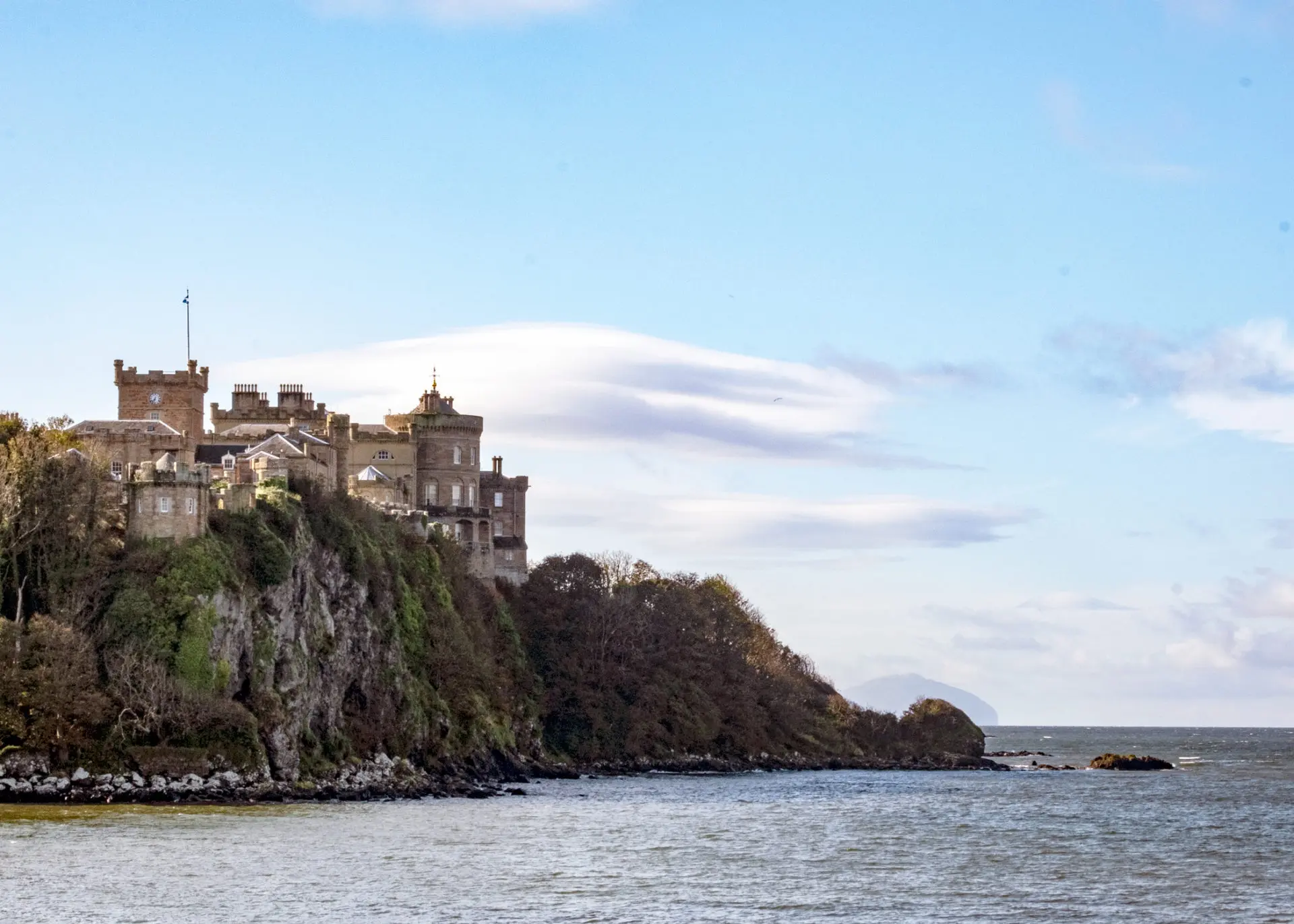
Scotland’s west coast south of Glasgow and the Isle of Arran just offshore – this is Robert Burns country, home to dramatic clifftop Culzean Castle, sweeping sandy beaches, and an island often called ‘Scotland in miniature’ for the way it packs Highlands, Lowlands and coast into a single 20-mile-long piece of land. Easy to reach from Glasgow and seriously underrated.
Aberdeen and Aberdeenshire
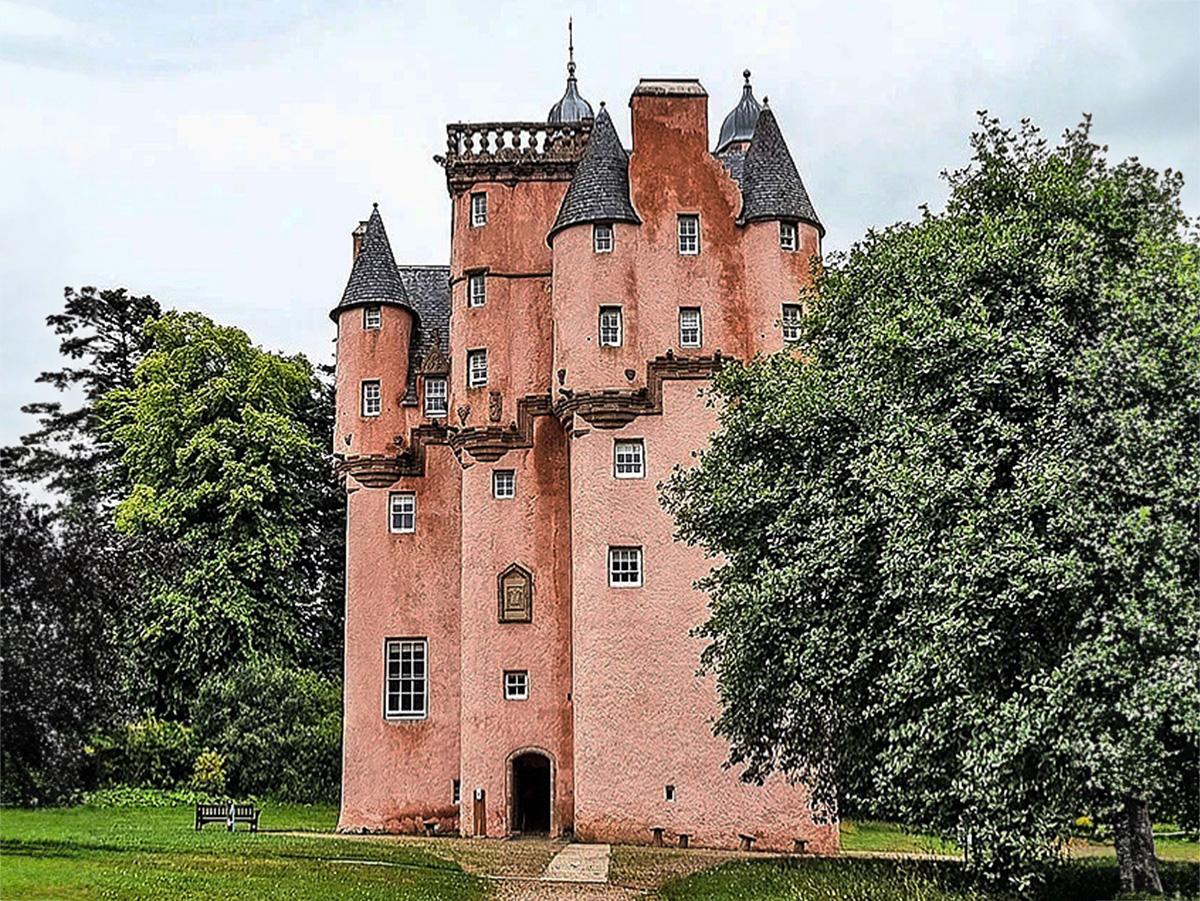
Located in the northeast of Scotland, Aberdeen has 165 miles of gorgeous coastline, the beautiful Royal Deeside, 263 castles to visit, and the quirky city of Aberdeen – at 6000 sq km, Aberdeenshire is the fourth largest of the 12 main regions of Scotland and is perfect to explore on a road trip.
The Cairngorms National Park
With forests pepper-potted with deep green lochans, a seemingly endless Arctic tundra where the temperature can drop as low as -27 degrees in winter, and home to ospreys, reindeer, pine martens and red squirrels, the Cairngorms is one of Scotland’s true wildernesses.

Caithness
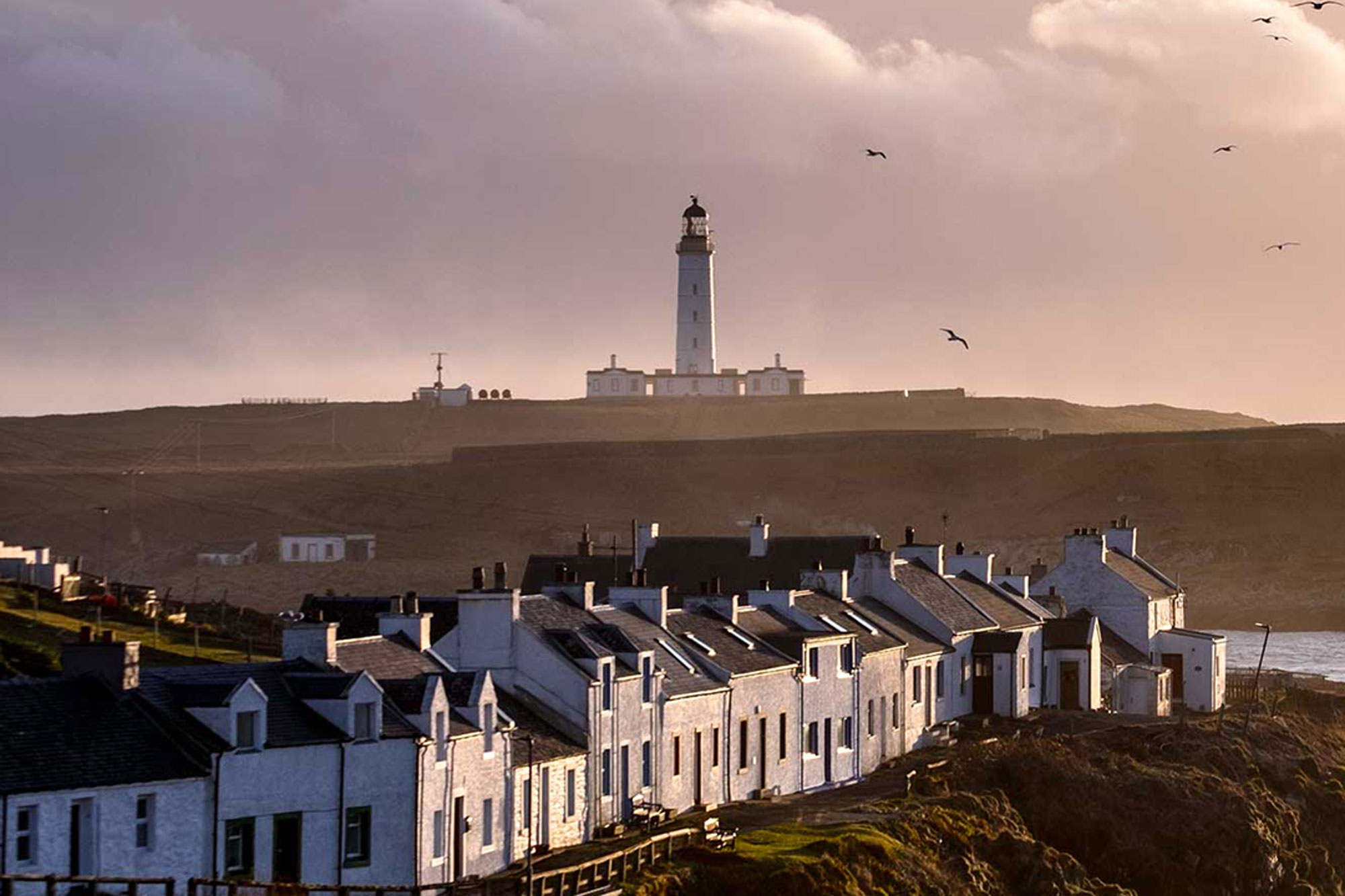
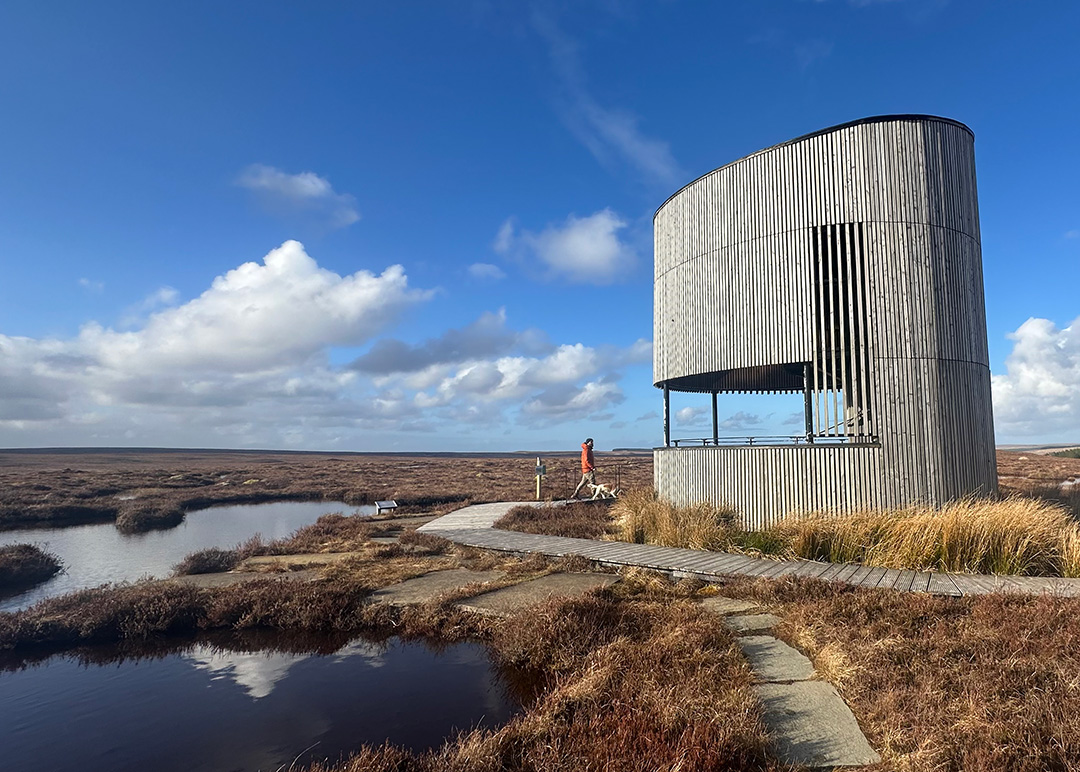
The most north easterly part of the UK, Caithness has a dramatic coastline, stunning beaches and surf spots, thousands of seabirds, and miles of blanket bog – the internationally recognised Flow Country. It is also part of the famous North Coast 500.
Clackmannanshire
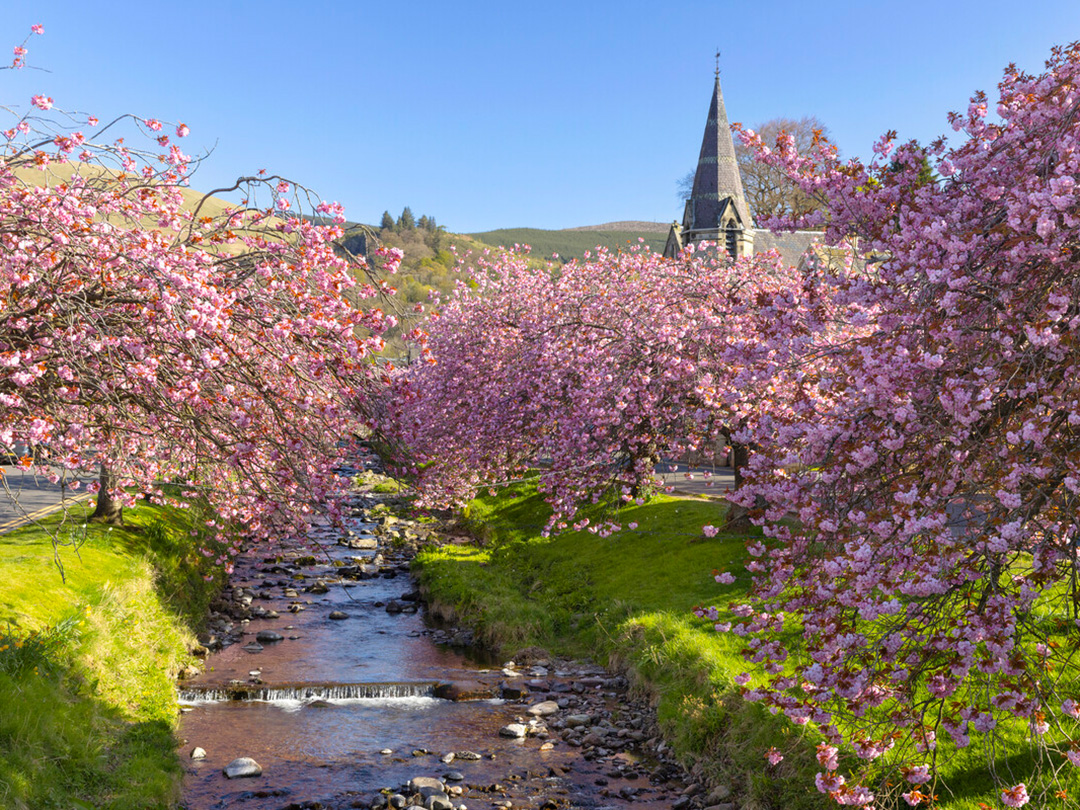
Welcome to lovely little Clackmannanshire. It might be Scotland’s ‘wee county’, but Clackmannanshire is a mighty one. Home to the Ochils mountains and one of Scotland’s prettiest villages, Dollar, fabulous walks and the Tower Trail.
Dumfries and Galloway
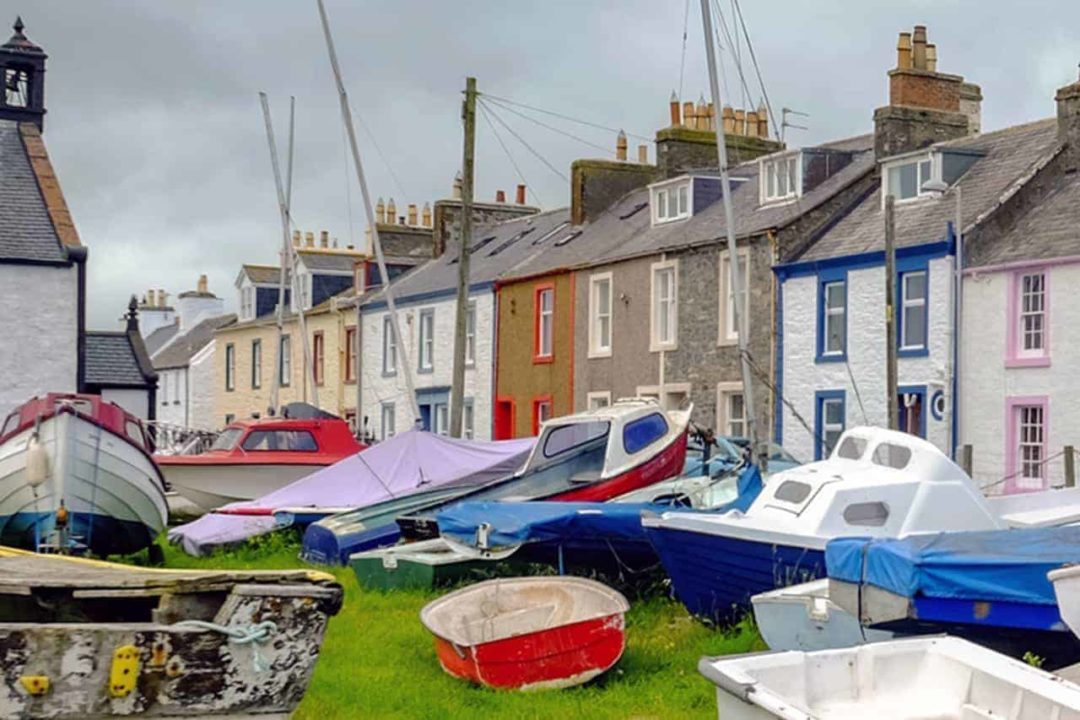
Whilst South West Scotland might be well known to those arriving off the ferries from Northern Ireland, to many visitors the delights of Scotland’s secret south west corner – from the Solway Firth to Scotland’s most southerly point – are a true hidden gem.
Dundee and Angus
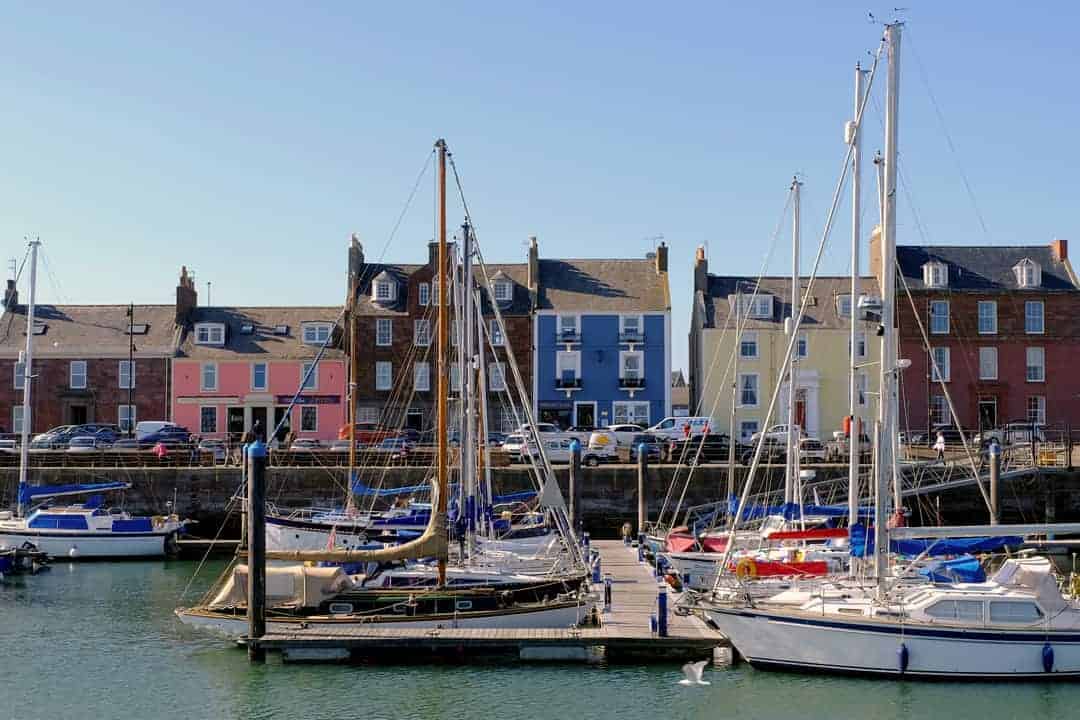
Like so much of Scotland missing from the ‘things to see in Scotland before you die’ lists, the east coast of Scotland between Aberdeen and Dundee is underrated and crying out for you to visit. With beautiful beaches, the spectacular Dunnottar Castle, and arty cool city of Dundee.
Edinburgh and the Lothians
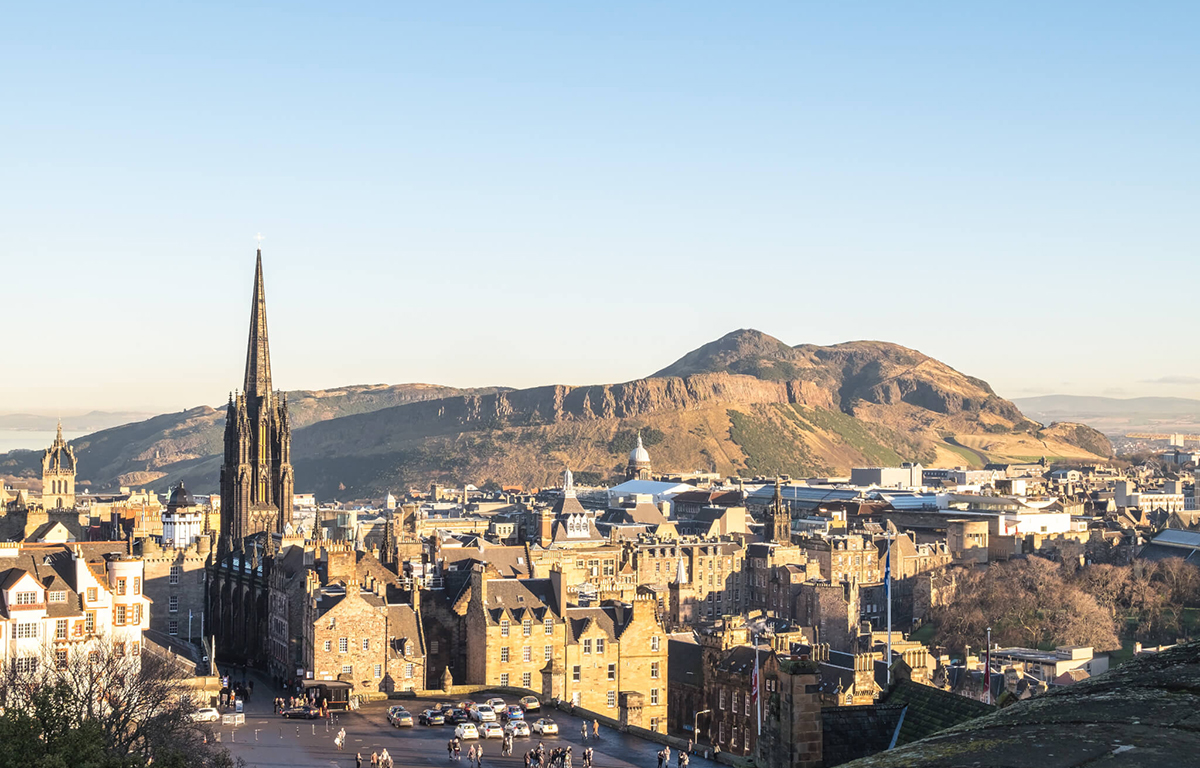
Scotland’s capital really sells itself – it is one of the world’s best cities to visit. However, we all know how easy it is to fall into the trap of visiting the ‘top ten’ places – you need a local to show you around! Surrounding Edinburgh are the Lothians – East, Mid and West, all worth a day trip.
Fife
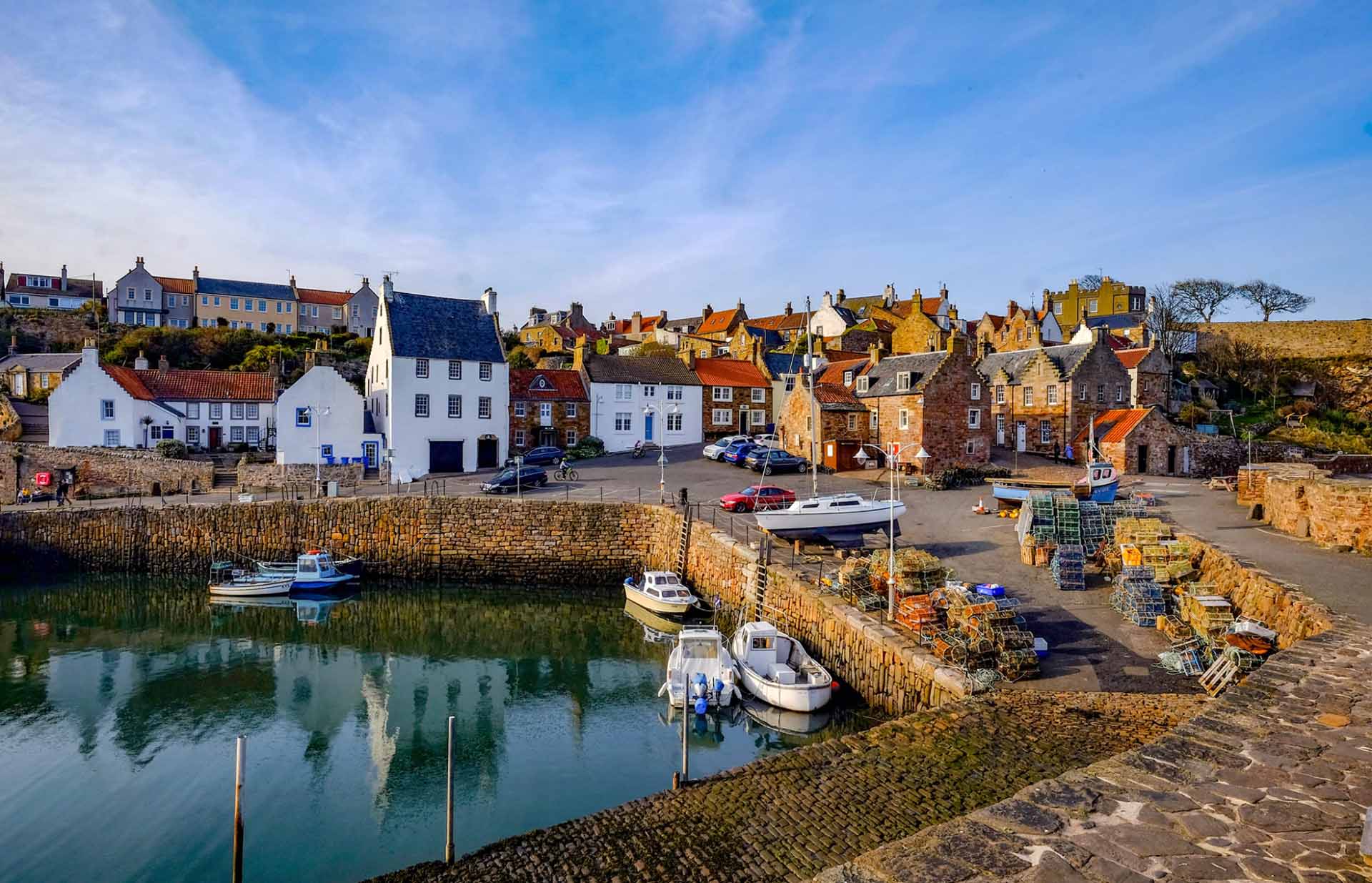
Voted ‘No 1 outdoor destination’ in Scotland by Scottish Natural Heritage eight years in a row – with 117 miles of stunning east coast coastline, pretty 16th-century villages, huge beaches, St Andrews, Michelin-starred restaurants and fish n chips, along with a whole host of brilliant outdoor activity providers.
Glasgow
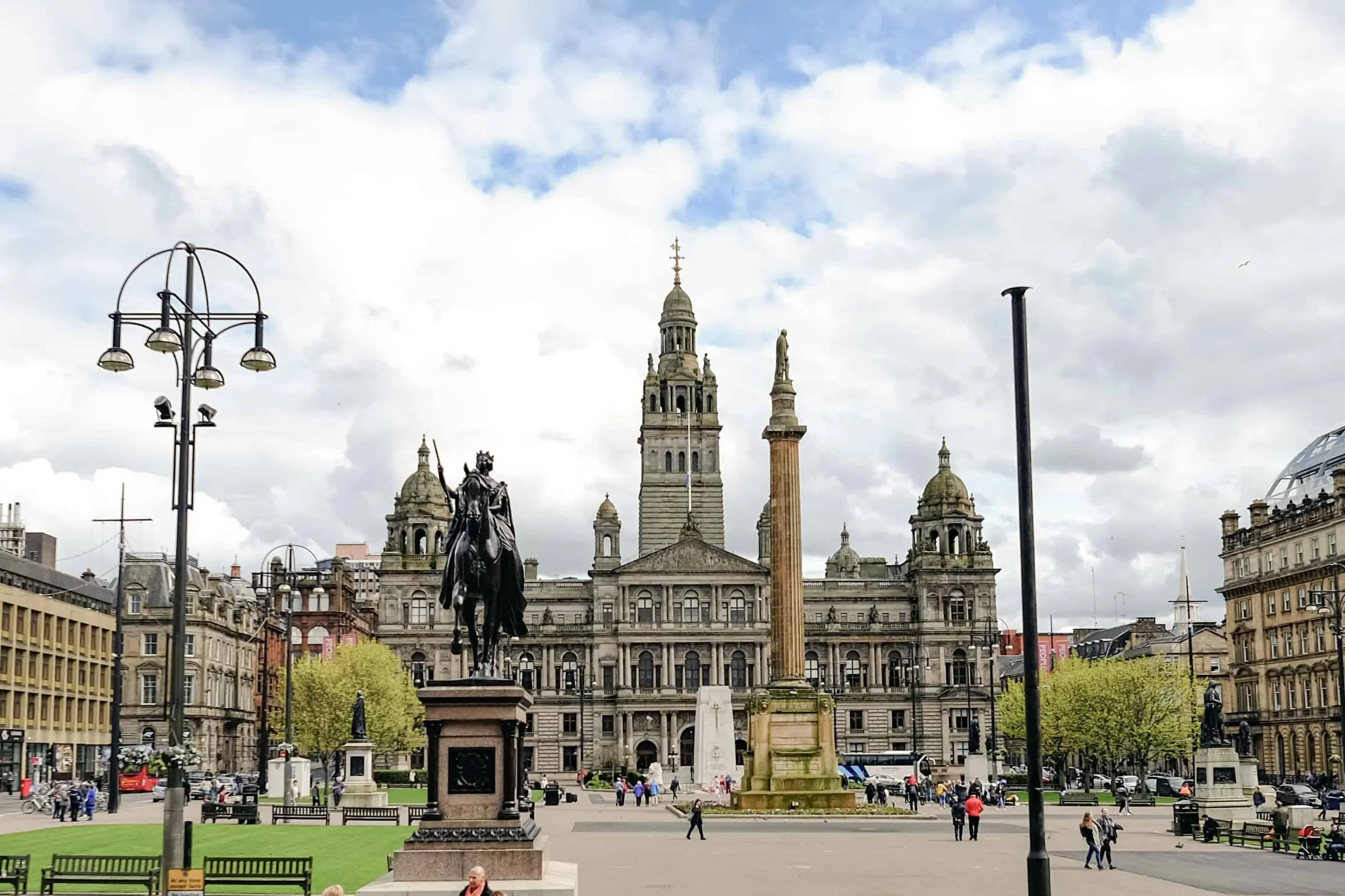
Forget everything you thought you knew about Glasgow. With a lively music scene, a huge art community and people who can make a party out of anything, Glasgow has a natural vibrancy which most cities dream of.
The Highlands
The Highlands of Scotland really need no introduction, let’s just get planning…
- How to visit Caithness
- How to visit Sutherland
- How to visit Wester Ross
- Things to do in Lochinver and Assynt
- How to visit Ardnamurchan
- Visit Fort Augustus and Loch Ness
- Things to do in Fort William
- How to visit Glencoe
- Things to do on the Isle of Skye
- How to drive the North Coast 500
- Visit Scotland’s best islands
- Things to do near Ullapool
- How to visit Golspie and Dunrobin Castle
Loch Lomond and the Trossachs National Park
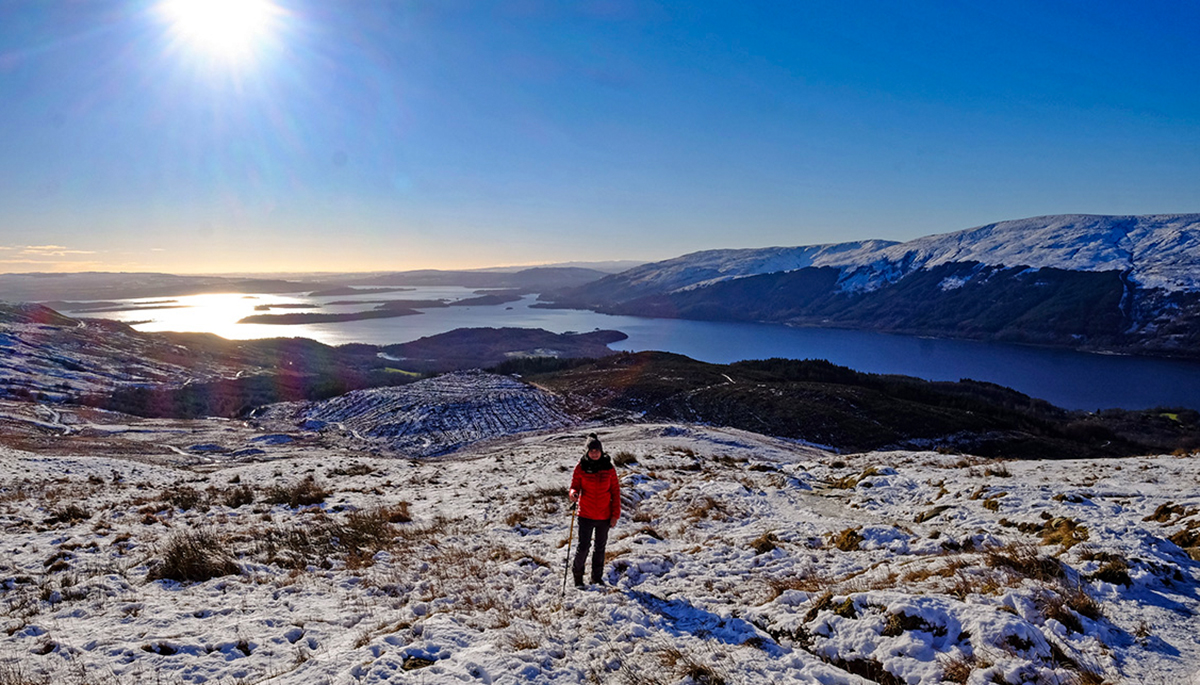
Covering 720 stunning square miles, with two forest parks, 22 large lochs, 40 hills over 2000ft, and one of the UK’s largest nature reserves – your visit to the Loch Lomond and the Trossachs National Park should be much more than a day trip.
Moray / Speyside
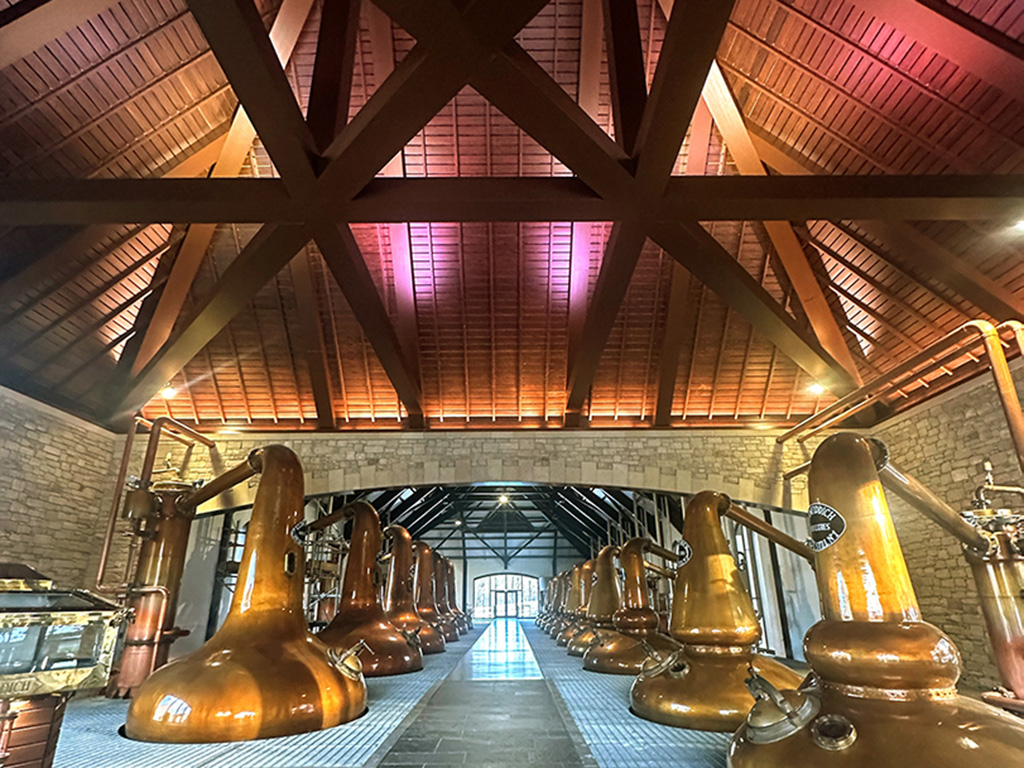
The Scottish east coast from Inverness to Peterhead might at first seem a little tame to those who love the fjord-like dramatics of the west coast, but with picturesque harbour villages, waves crashing over towering sea cliffs, huge swathes of beach and incredible changing light – it’s well worth a visit. Further south, Speyside is one of the main whisky regions of Scotland.
The Northern Isles – Orkney and Shetland
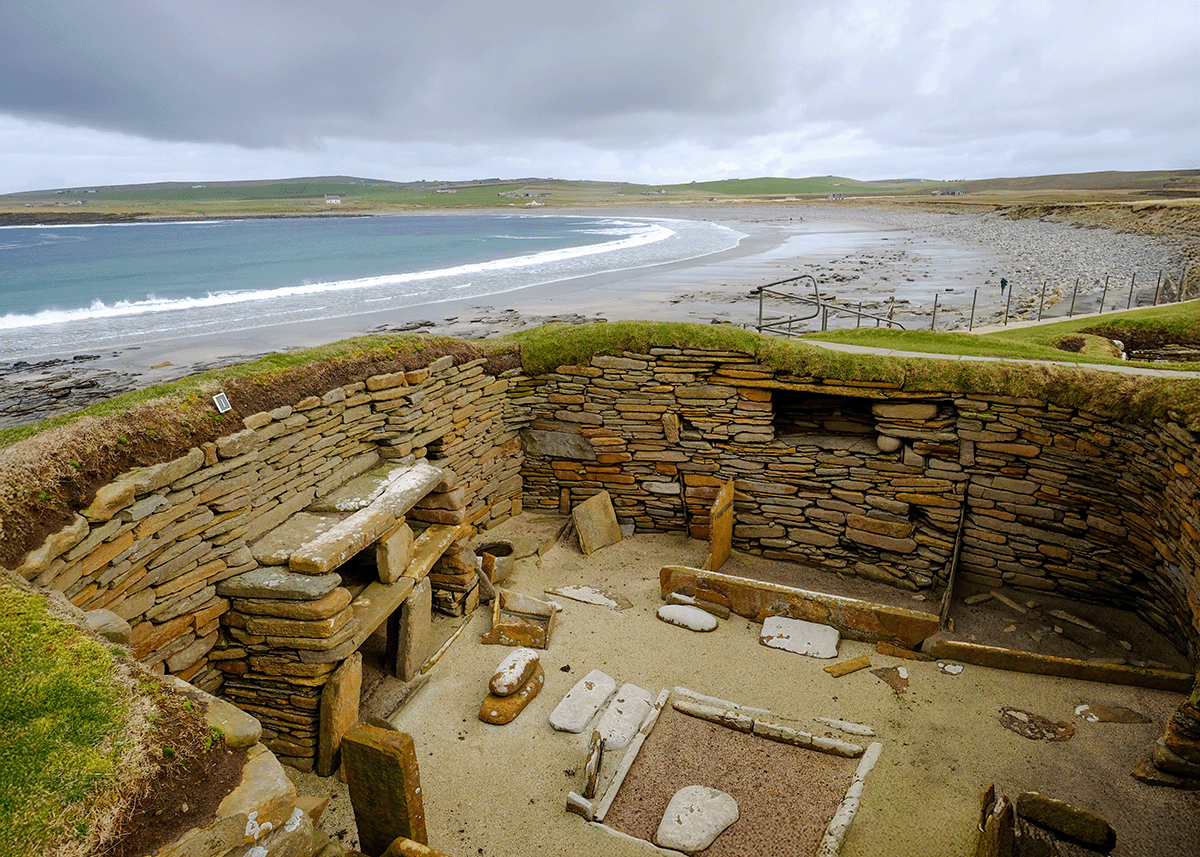
With stone-age villages, huge sea-scapes, a vibrant arts culture and a genuinely warm welcome, we took a weekend trip to Orkney to dip into 5000 years of history. Much further north, Shetland lies 110 miles off mainland Scotland and is home to Orcas and a totally unique Viking heritage.
The Outer Hebrides
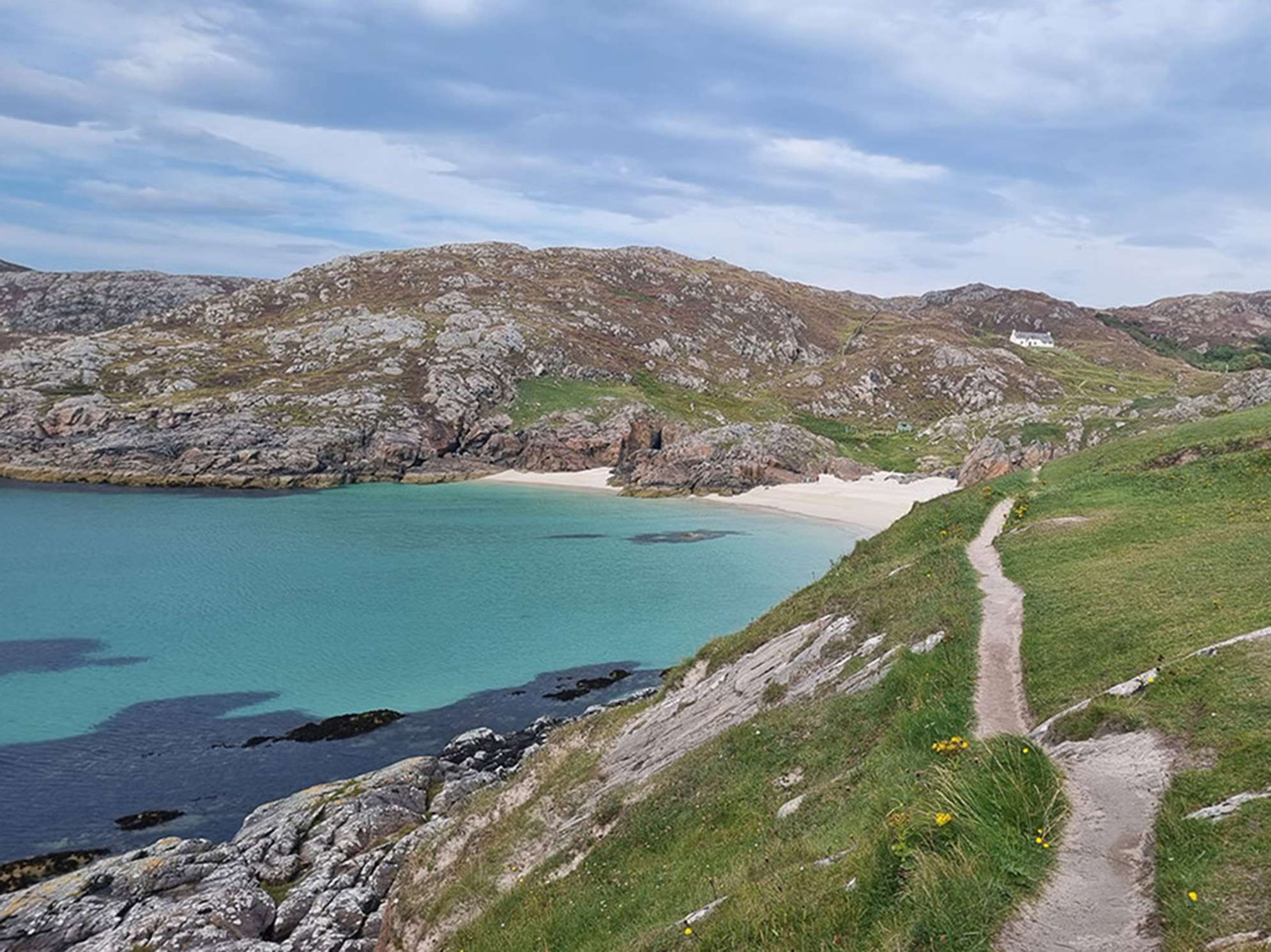
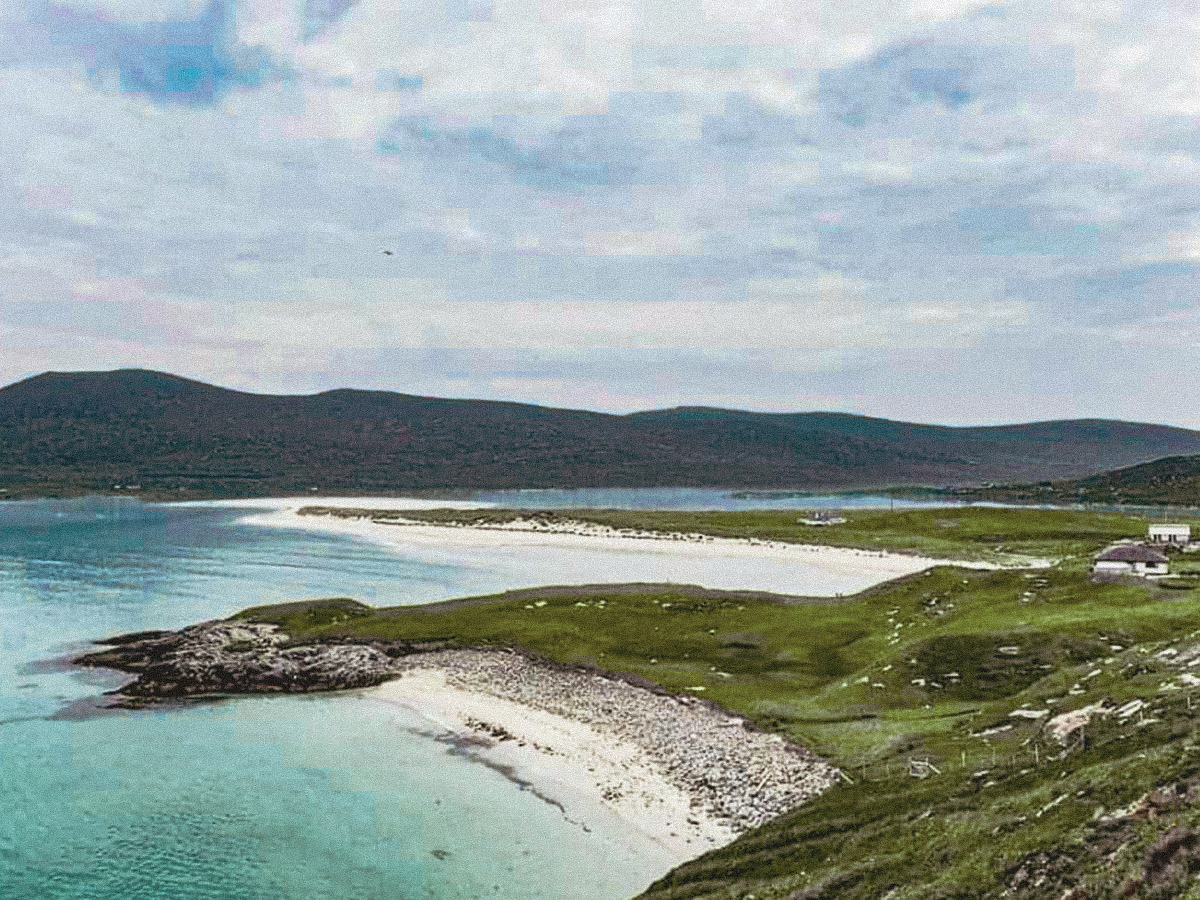
A visit to the Outer Hebrides is an otherworldly dip into Scotland’s remote edge of the world island culture. The Western Isles are more than Harris Gin, the home of the Gaelic language, the famous Callanish standing stones, and world-famous beaches and turquoise seas – this 130-mile long island chain also makes for an incredible adventure playground.
Perthshire
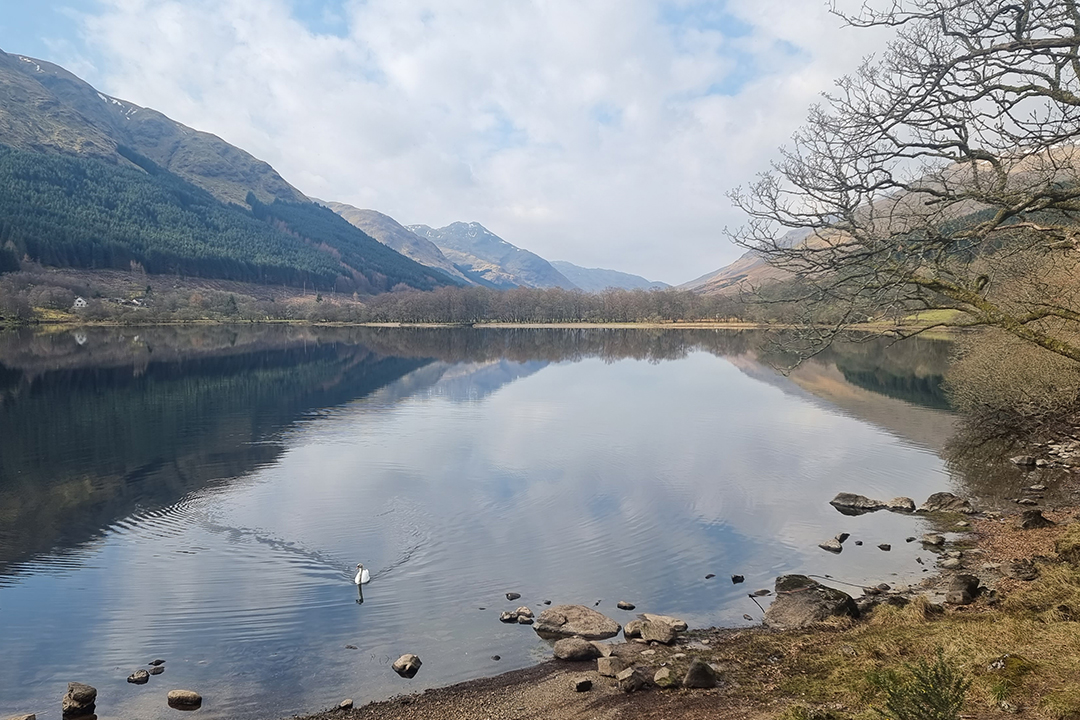
One of my favourite regions of Scotland, Perthshire is full of lochs, Munros, glens and woodlands – they don’t call Perthshire Big Tree Country for nothing. Discover this central region of Scotland by foot, SUP, kayak or on horseback. Make sure you don’t miss a visit to the region’s main town – Perth.
The Scottish Borders
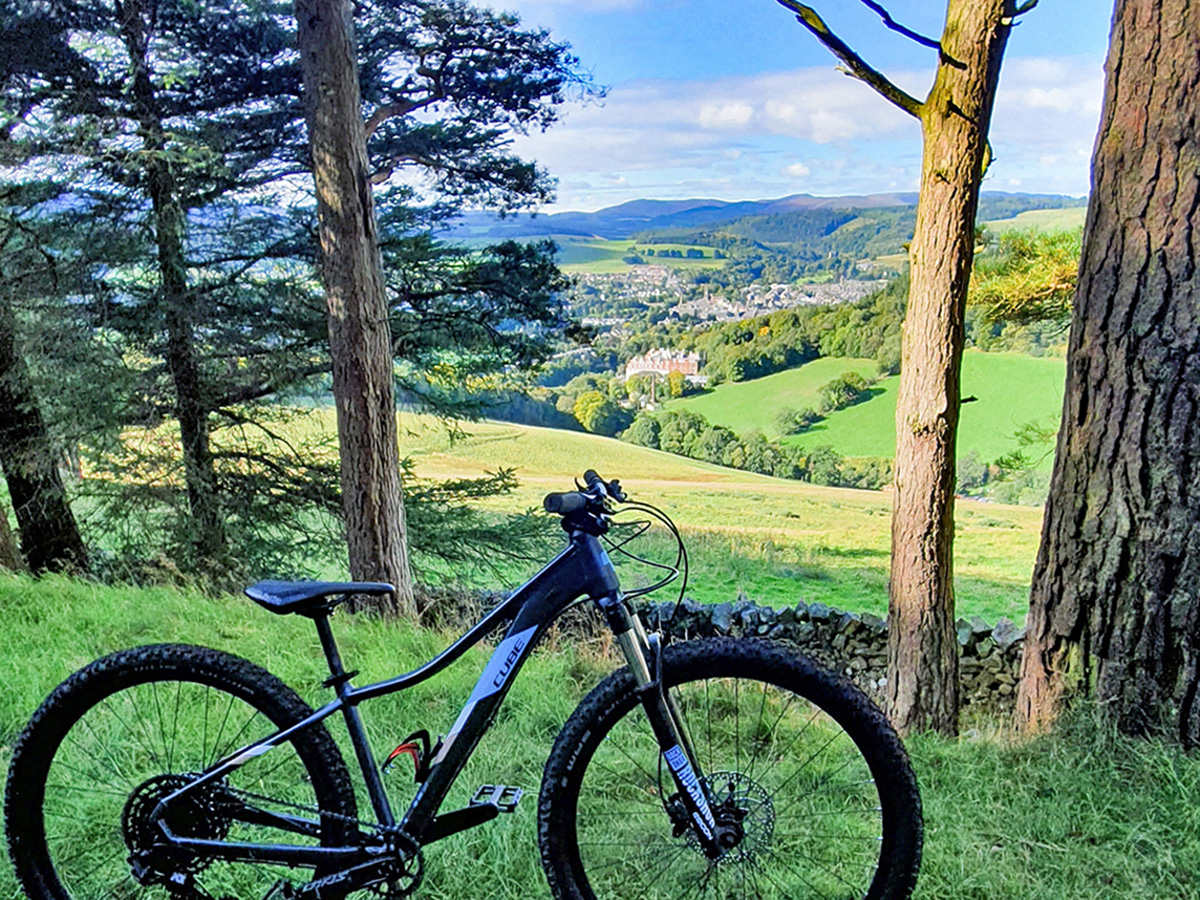
Scotland starts here! Fancy trekking with alpacas, spotting dolphins in a marine reserve, hurtling down a world-class mountain bike trail and staying in an ancient tower house on the beautiful River Tweed? Well you can do all of this in the Scottish Borders.
Frequently asked questions about the regions of Scotland
How many regions are there in Scotland?
There are 12 main regions in Scotland: Aberdeen & Aberdeenshire, Argyll and the Isles, Angus & Dundee, Ayrshire & Arran, Clackmannanshire, Dumfries and Galloway, Edinburgh & the Lothians, Fife, Glasgow and the Clyde Valley, the Highlands, Moray & Speyside, Perthshire and the Scottish Borders. Adding the two National Parks (Loch Lomond & The Trossachs and the Cairngorms) and the island groups (the Outer Hebrides and the Northern Isles), you could count 16 distinct regions in total.
What is the largest region of Scotland?
The Highlands is by far the largest region, covering a vast area of northern Scotland from Glencoe and Fort William in the south to Caithness and the far north coast. Aberdeenshire is the fourth largest of the 12 main regions at 6,000 sq km, stretching across the northeast with 165 miles of coastline and 263 castles.
What is the best region of Scotland to visit?
It depends on what you’re looking for. For dramatic Highland scenery, the Highlands and Loch Lomond & The Trossachs National Park are unmissable. For history and culture, Edinburgh and the Lothians or the Scottish Borders. For whisky, Speyside and Islay in Argyll. For beaches and remote island life, the Outer Hebrides and Orkney. For hidden gems away from the crowds, Fife, Dumfries and Galloway, and Perthshire are all outstanding.
What is Scotland's most remote region?
The Outer Hebrides and the Northern Isles (Orkney and Shetland) are the most remote, reached by ferry or flight from the mainland. On the mainland, Caithness in the far northeast and the northwest Highlands — particularly Sutherland and Assynt — feel the most wild and sparsely populated, with vast stretches of moorland, dramatic coastline and very few people.
Which region of Scotland has the best castles?
Aberdeenshire has the highest concentration of castles in Scotland with 263, including fairytale pink Craigievar Castle. Ayrshire is home to dramatic clifftop Culzean Castle. The Borders has a string of ruined tower houses and abbeys. Perthshire has Stirling Castle and Scone Palace. The Highlands has Eilean Donan and Urquhart Castle on Loch Ness.
Which part of Scotland is least visited?
Dumfries and Galloway in the southwest is one of Scotland’s least visited regions despite having beautiful coastline, forests and historic sites. Clackmannanshire — Scotland’s smallest county — is also largely overlooked. Caithness in the far northeast and the interior of Sutherland see far fewer visitors than the west coast and islands, yet offer some of Scotland’s wildest and most dramatic landscapes.