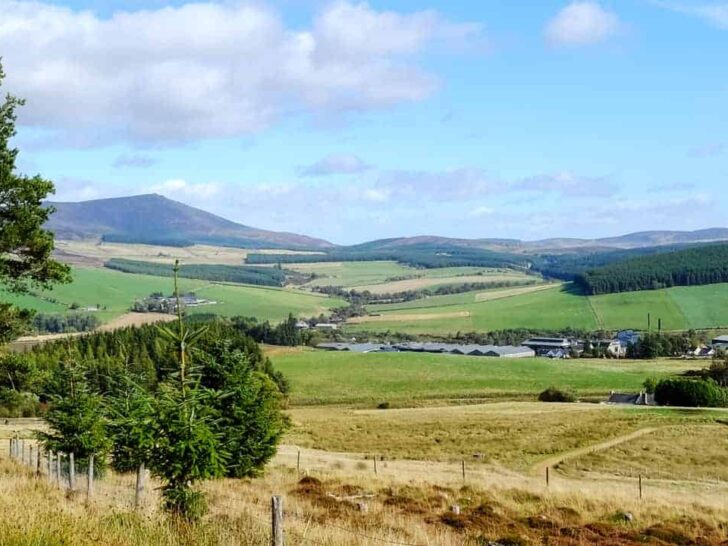


Speyside is famous for one thing, and that one thing comes in a glass. But the region that produces over half of Scotland’s whisky is also one of the prettiest corners of the country, with old steam railways, hidden castles, river walks, a Corbett with cracking views, and a shortbread factory that’s been running since 1898.
If you don’t drink whisky (or you do drink whisky but have someone driving), Speyside still gives you a brilliant few days. Here’s how to plan it.
Visiting Speyside at a glance
- Best time to visit: May to September
- Best base: Aberlour or Craigellachie for villages, Grantown-on-Spey for the Cairngorms
- Best for a quick taste of Speyside: the walk between Aberlour and Craigellachie
- Best for hillwalkers: Ben Rinnes for the views, Carn Daimh for a quieter route
- Best for wildlife: RSPB Loch Garten for ospreys, Cairngorm Reindeer Centre for reindeer
- Best for families: Strathspey Railway and Byres Farm
- Best castle: Ballindalloch (open April to September)
- Best for cyclists: the Dava Way from Grantown to Forres
Jump to section
Where is Speyside
Speyside takes its name from the river it sits on, the River Spey, which runs from the high mountains of the Cairngorms to the Moray coast.
Located in the eastern Highlands and part of the Moray region, Speyside stretches from Aviemore and Grantown-on-Spey in the south to Buckie on the coast. It takes in the towns of Forres, Elgin and Keith, and the villages of Rothes, Aberlour, Dufftown, Craigellachie and Ballindalloch.
It’s a 3-hour drive north of Edinburgh, and around 45 minutes east of Inverness.
For more on the wider area, read my guide to things to do along the Moray Coast.
Walks and hikes
The single best thing about Speyside (yes, even better than the whisky) is the walking. The Speyside Way runs 65 miles from Aviemore to Buckie along one of Scotland’s four official long-distance routes.
The route splits into manageable sections you can do as day walks. My pick of them:
- Aberlour to Craigellachie is the easiest taster, about 30 minutes one way along the old railway line beside the river. Flat, scenic, good for first-timers.
- Craigellachie to Dufftown is the Dufftown spur, around 4 miles one way, lovely walking through woodland with the Cooperage en route.
- Grantown to Aviemore via Nethy Bridge and Boat of Garten is the southern, wilder section through pinewoods on the edge of the Cairngorms.
- Aberlour to Ballindalloch is a quieter middle section, around 8 miles, passing the Tamdhu and Knockando distilleries.
For a shorter walk, try the Aberlour Burn to Linn Falls (the Linn of Ruthrie), an hour-long stroll from the village up past the Aberlour Distillery. Good for kids and dogs.
The Craigellachie Nature Trail runs through ancient pinewoods on the banks of the Spey, with a chance of seeing red squirrels.
For something easier still, the Tomintoul Circular Path loops out from the highest village in the Highlands with views into the Cairngorms.
Climb Ben Rinnes
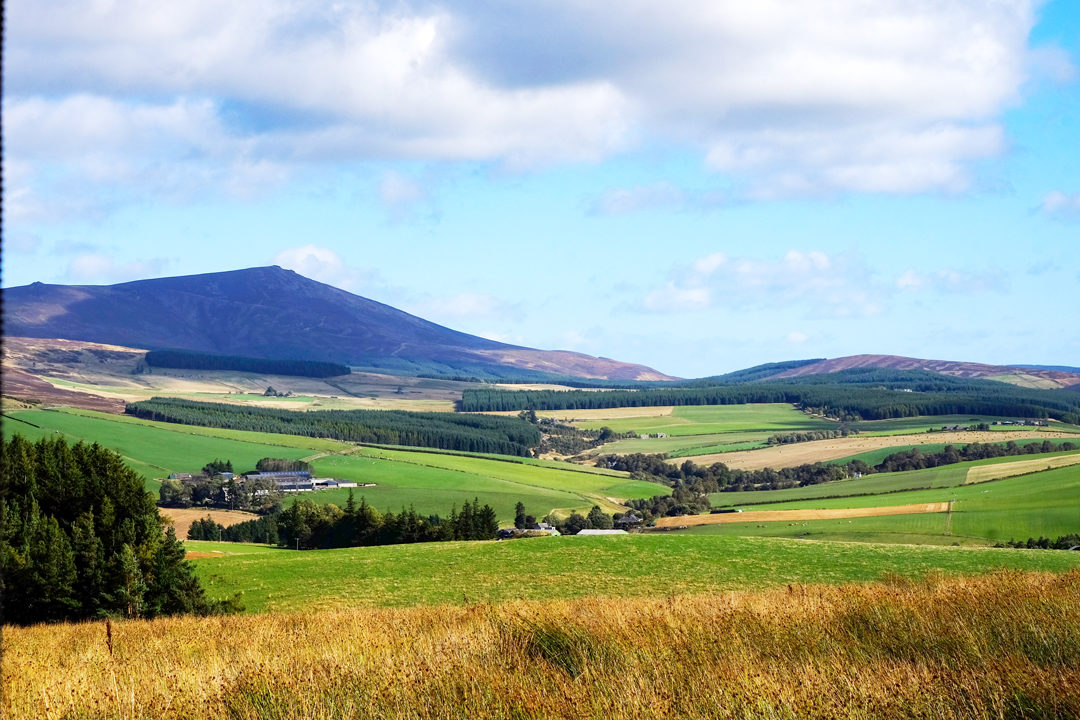
Speyside doesn’t have a Munro of its own, but it does have a cracking Corbett. Ben Rinnes is the biggest hill in the region at 840m, with a 5-mile out-and-back route and 541m of ascent. Allow about 4 hours. On a clear day you can see all the way to the Moray Firth in one direction and the Cairngorms in the other.
For a quieter alternative, Ben Aigan is slightly smaller (275m ascent over 5 miles) and takes you through woodland before opening onto moorland with panoramic Spey Valley views.
Carn Daimh from Tomnavoulin is another good option, 6 miles with 339m of ascent. You’ll need proper hillwalking gear for any of these.
Cycling
Speyside is good country for off-road cycling on old railway lines. The Dava Way runs 24 miles from Grantown-on-Spey to Forres along the bed of the old Highland Railway, climbing gently over Dava Moor before dropping to the Moray coast. It’s a long day or an easy two days, and you can pick it up at access points along the route if you don’t fancy the whole thing.
The Speyside Way doubles as an off-road cycling route too, particularly the northern sections from Aberlour to Buckie. Best on a hybrid or mountain bike. The two routes join at Grantown if you fancy stringing them together for a longer trip.
Fishing the Spey
The River Spey is one of the most famous salmon rivers in the world, and one of Scotland’s “big four” along with the Tay, Dee and Tweed. The season runs from 11 February to 30 September, and fishing is by beat (a section of river managed by an estate or association).
Day permits are bookable through individual beats, with prices ranging from around £50 for an association water to several hundred pounds for a private beat with a gillie. FishPal is the easiest way to see what’s available. The Spey is also the home of Spey casting, the long two-handed technique invented on this very river.
Strathspey Railway
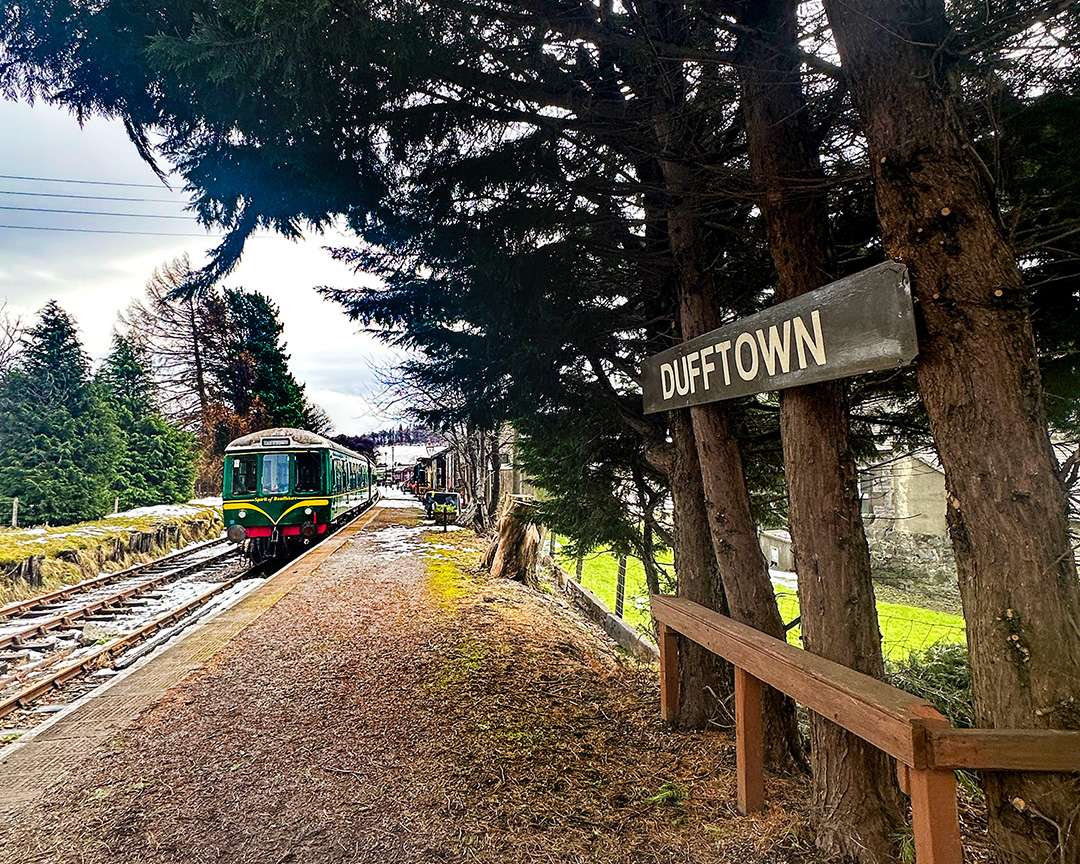
The Strathspey Railway is a working steam train that runs 10 miles north from Aviemore through Boat of Garten to Broomhill. It re-opened in 1978 and is run by volunteers.
The carriages are restored Victorian and Edwardian stock, and the route runs along the edge of the Cairngorms National Park. There’s a dining car for afternoon tea services, which is a lovely thing to do on a wet day. Pre-book tickets online.
Over in Dufftown, the Keith and Dufftown Railway is a separate heritage line that runs between (you guessed it) Keith and Dufftown. Stop in for lunch at the Dufftown Sidings Cafe.
Wildlife watching
Speyside sits on the edge of some of the best wildlife country in the UK. The RSPB Loch Garten Nature Centre at Abernethy Forest near Boat of Garten is famous for breeding ospreys (back from the brink in the 1950s, when a pair returned to Scotland of their own accord). You can watch them on a nest camera from the visitor centre, or just walk the forest trails and look out for red squirrels and crested tits. Open daily from 1 April to 31 October.
The Cairngorm Reindeer Centre at Glenmore, near Aviemore, is home to the UK’s only free-roaming herd. Guided hill trips run daily at 11am (plus 2.30pm in summer), where you walk up to meet the reindeer in their natural habitat. Pre-booking is essential. There’s also a paddock visit option if you can’t manage the hill walk.
Beyond the named sites, Speyside is excellent for general wildlife watching. Red squirrels in any of the pinewoods, ospreys fishing the river in summer, pine martens after dusk, and roe deer in the early morning. The Spey Valley is home to capercaillie, although you’ll be lucky to see one.
The Cairngorms
Speyside’s southern half sits right on the edge of the Cairngorms National Park, the UK’s largest national park, and it’s a huge draw for non-whisky visitors. Grantown-on-Spey and Aviemore are the main gateway towns.
From Grantown, you’re within easy reach of Loch Morlich (beach, watersports and forest), the funicular up Cairn Gorm mountain, the reindeer herd at Glenmore, and the Rothiemurchus Estate for forest walks. Aviemore has the Strathspey steam railway running north into Speyside.
If you’ve got an extra day in Speyside, spending it in the Cairngorms is the obvious move.
Family-friendly attractions
If you’re travelling with kids, Speyside is surprisingly good once you get away from the distilleries.
Byres Farm is a working farm on the banks of the Spey with animal feeding, a play barn and a tea room. Good for a half day with under-10s.
Aberlour Heritage Centre tells the story of the town and is small enough for short attention spans.
The Strathspey Railway is always a winner with kids of any age.
Castles
Speyside has more castles than you’d expect, and several of them are open to visitors.
Ballindalloch Castle is my favourite. It’s a privately-owned baronial pile with gardens, woodland walks and a small distillery on the estate. Open April to September, and the gardens are particularly lovely in early summer.
Balvenie Castle in Dufftown was built in the 1200s as the seat of the earls of Buchan. It’s a romantic ruin managed by Historic Scotland, a stone’s throw from the Glenfiddich distillery. Closed over winter.
Auchindoun Castle near Dufftown is a 15th-century stronghold on a small hill with views right across the region. It’s free to visit and you can walk to it from Dufftown.
Corgarff Castle in remote Strathdon is one of my favourite castles in all of Scotland. It has an unusual star-shaped perimeter wall and sits in the middle of nowhere, which only adds to its appeal. Open 1 April to 30 September, Wednesday to Saturday.
If castles are your thing more broadly, see my guide to where to stay in a castle in Scotland.
Food and drink
Speyside has a quietly excellent food scene built on local produce: smoked salmon, venison, beef, soft fruit, oatcakes, and the famous shortbread.
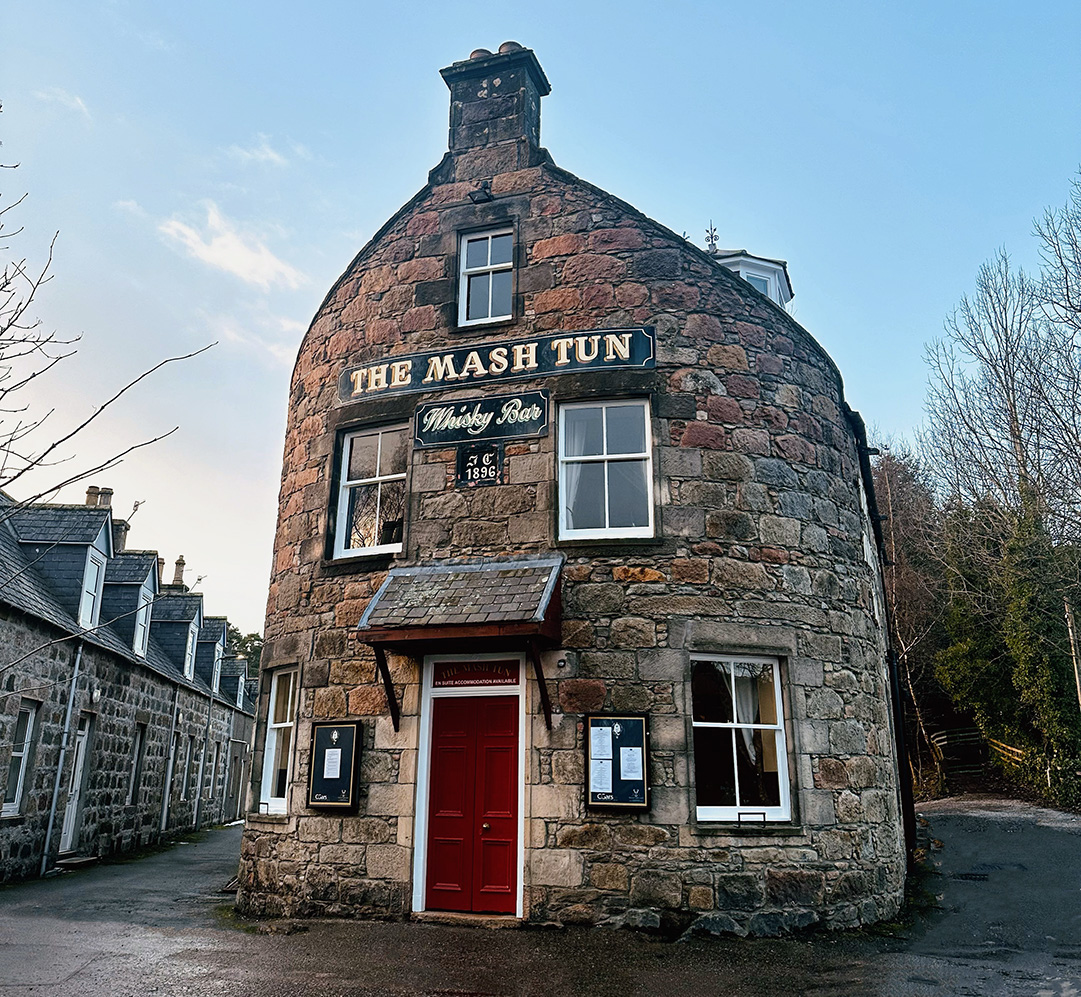
For lunch in Aberlour, the Mash Tun does great pub food alongside the whisky bar. The Gather’n café in the village is the local favourite for coffee and cake.
For dinner, the Copper Dog Pub at the Craigellachie Hotel is the standout gastropub in the region. The GEAMAIR restaurant at the same hotel does tasting menus by Pawel Sowa if you fancy something proper.
The Dowans Hotel of Speyside above Aberlour has a seasonal menu using local produce and is quietly one of the best places to eat in the region. Chef Lucy at the Speyside Hotel in Grantown has twice reached the World Porridge Championships final, and her venison pie is a signature dish.
Walker’s Shortbread has been baking in Aberlour since 1898. You can visit the original bakery in the village, plus the factory shop which sells everything at a discount (the seconds are particularly good value).
The Gordon Castle Walled Garden café near Fochabers serves a brilliant seasonal menu using produce from the 8-acre walled kitchen garden. It’s an under-rated Speyside spot for lunch on a sunny day.
For something more casual, there are excellent farm shops and butchers in most of the villages. The Spey Larder in Aberlour is good for picnic supplies.
Shopping
The Knockando Woolmill is a 200-year-old working mill near Aberlour, still producing tweed and tartan the old way. There’s a shop and a small café on site, and you can watch the looms running.
Johnstons of Elgin is the better-known name for Scottish cashmere, with their main shop in Elgin attached to the historic mill.
The Walker’s Shortbread factory shop in Aberlour sells seconds and tinned biscuits at a fraction of supermarket prices. Worth a stop if you’ve got room in the car for a few tins.
Speyside Cooperage
The Speyside Cooperage at Craigellachie is the largest cooperage in the UK, and one of the few places where you can watch coopers making and repairing the oak casks that whisky is aged in. The work is fast and physical, and oddly mesmerising to watch.
Tours run year-round and take about an hour. Around £8 per adult (2026 prices). Even if you’re not into whisky, this is a craft you don’t see anywhere else.
Craigellachie Bridge
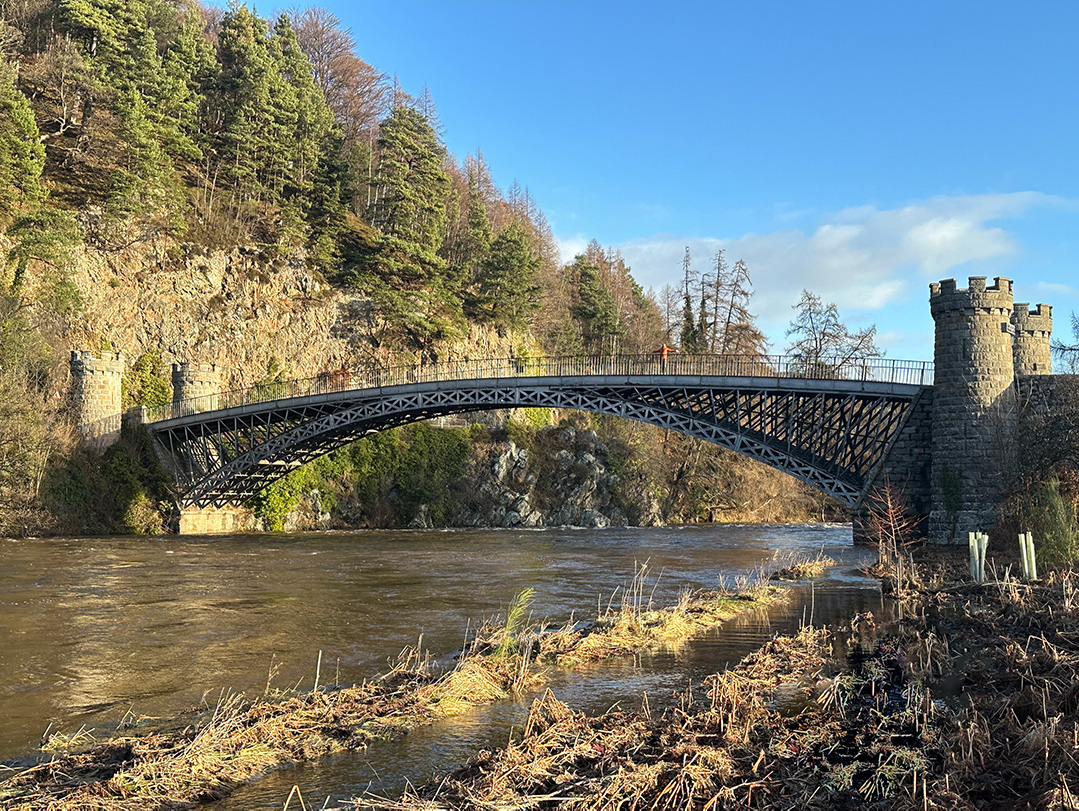
Take a stroll across the historic Craigellachie Bridge, an iconic cast-iron span designed by Thomas Telford in 1814. It’s one of the oldest iron bridges in the world still standing.
Speyside distilleries
If you’ve come this far and fancy at least one distillery visit, here are my picks. Read my full guide to Speyside whisky for more.
- Glenfiddich, Dufftown is one of the most iconic independent distilleries, owned by William Grant & Sons. The name means “valley of the deer”, which is why the stag appears on every bottle.
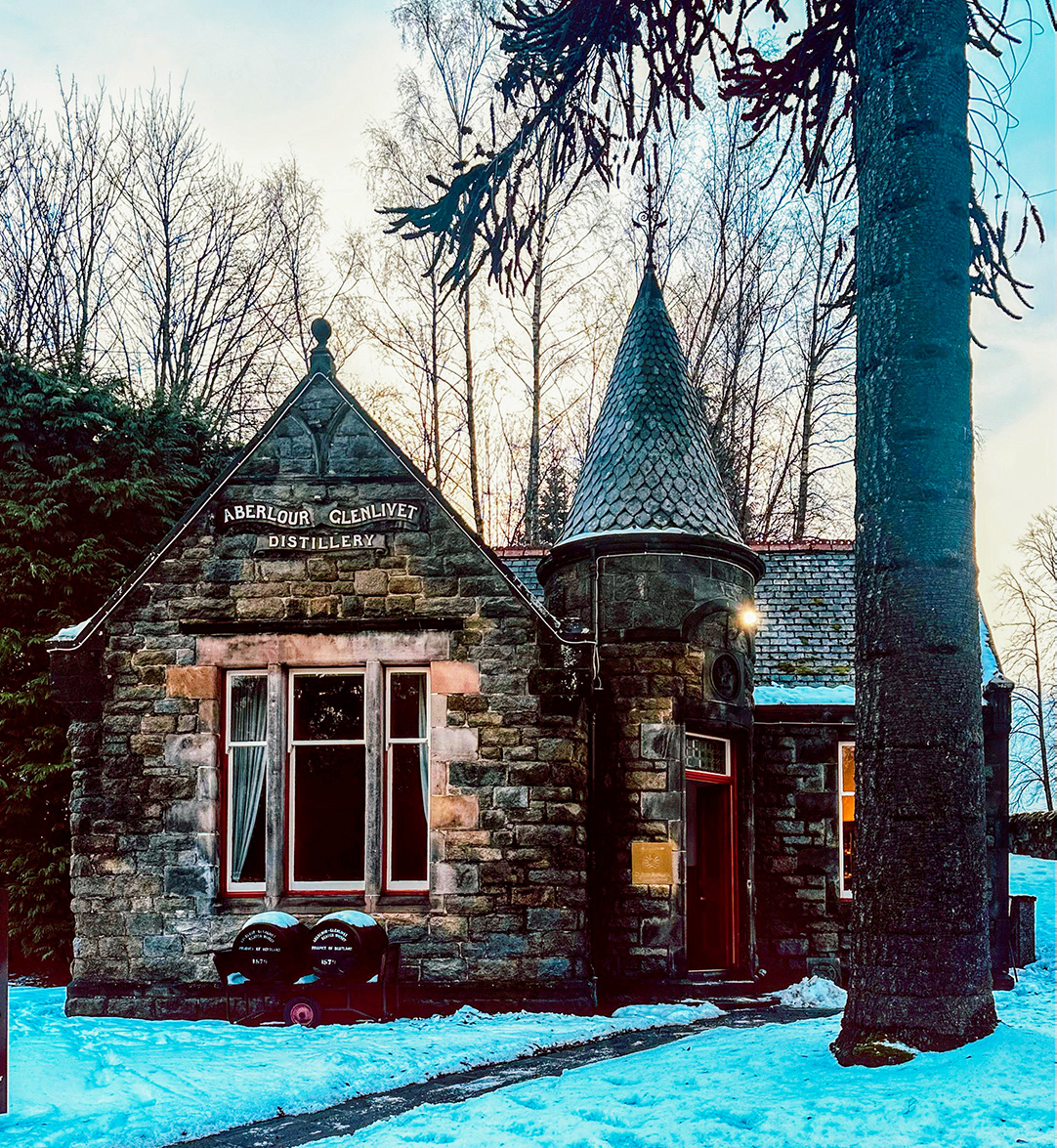
- Aberlour has been making sherry-cask Speyside whisky in the village since 1885. Rich and fruity, easy to like.
- The Glenlivet is one of the oldest legal distilleries in Scotland, and you can also walk the Glenlivet Estate trail.
- Balvenie, Dufftown still has a working maltings floor and kiln. Tours start at £75pp and include a tasting.
A car is the easiest way to visit multiple distilleries, but Scotland has strict drink-drive limits so the driver will need to stay off the drams. Most distilleries now offer alcohol-free options or let you take the samples away in a take-home glass.
How to get to Speyside
The easiest way to explore Speyside is by car. It’s around 3 hours from Edinburgh, 2.5 from Glasgow and 45 minutes from Inverness.
By train, ScotRail runs to Forres, Elgin and Keith on the Inverness to Aberdeen line. You can change in Inverness if coming from the south.
By bus, Stagecoach number 10 connects Inverness and Aberdeen via Forres, Elgin and Keith. From Elgin, Stagecoach number 36 runs to Aberlour, Dufftown and Craigellachie.
If you’re road-tripping more widely, see my Scotland road trip itinerary guide for how to fit Speyside into a longer trip.
Where to stay in Speyside
You don’t need a whisky-themed hotel to enjoy Speyside, but some of the loveliest places to stay in the region happen to be in old distillery towns. Here are my picks for non-whisky travellers, followed by my recommendations by town.
The standout hotels
- The Craigellachie Hotel sits above the Spey looking down on the Craigellachie Bridge. There are 26 rooms, plus the Copper Dog gastropub and GEAMAIR by Pawel Sowa for fine dining. Dogs are welcome in some rooms. Even if you’re not into whisky, the setting is the best in the region.
- The Station Hotel, in Rothes was refurbished in 2016 by Forsyths, the local family firm that makes copper stills for distilleries around the world. There are 15 luxury bedrooms named after Speyside distilleries, plus the Pagoda Restaurant and Toots Café Bar. Walks from the door, plus a lovely Victorian garden in the village.
- The Dowans Hotel of Speyside is a Victorian mansion just above Aberlour, family-run, with a seasonal menu using local produce. Quietly one of the best places to eat in Speyside.
- The Highlander Inn in Grantown-on-Spey is famous for comfy beds and Chef Lucy, who has twice been a finalist in the World Porridge Championships. The slow-cooked venison pie with Blue Murder cheese is a signature dish, and Grantown puts you on the doorstep of the Cairngorms.
- The Dell at Glenlivet offers luxury cabins with wood-fired stoves in 53 acres of woodland on the Glenlivet Estate. The most secluded option if you want a quiet retreat with walks from the door.
- Craigellachie Lodge is a Victorian mansion above the village with six luxurious en-suite rooms and views down the Spey Valley. Note for 2026: the restaurant is closed for the year as the owners are on parental leave, but there are restaurants within walking distance.
By town
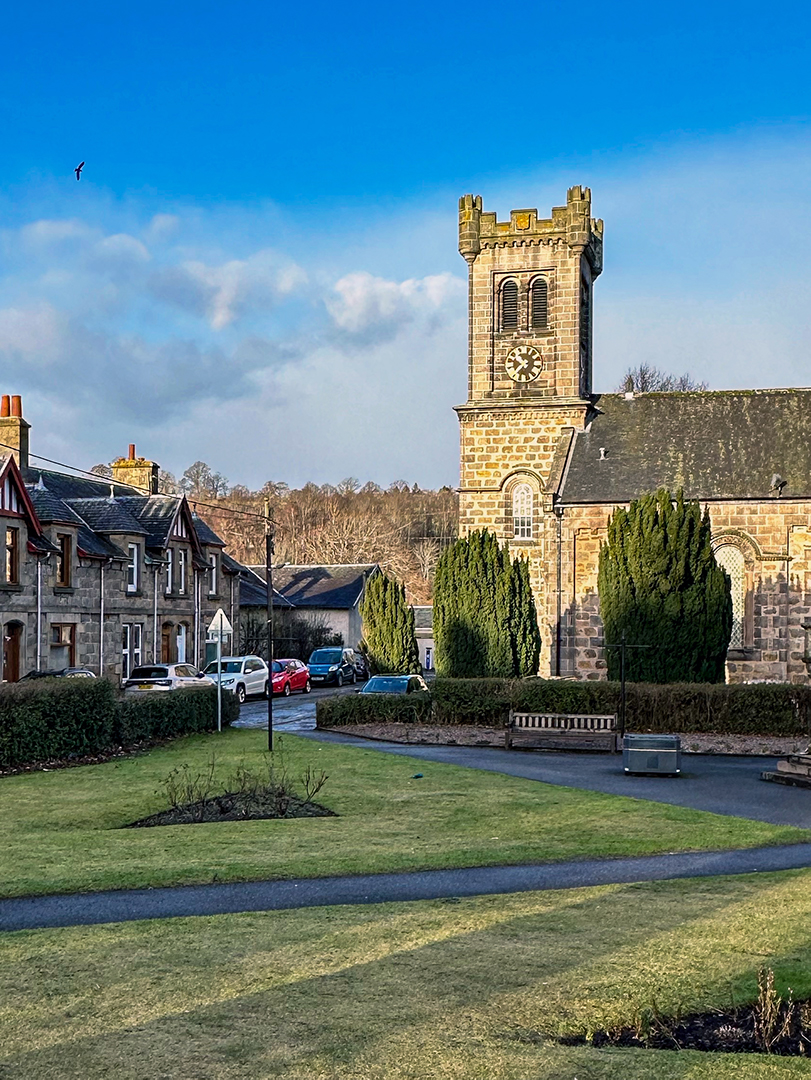
Aberlour is the best overall base for first-time visitors. It’s on the Speyside Way, has a working shortbread bakery, a footbridge over the river, and a short stroll along the old railway line to Craigellachie. Stay at stay at The Mash Tun (hotel and whisky bar, my pick of the region), The Aberlour Hotel, Brylach Steading, The Willy Gunn Pod, The Dowans Hotel of Speyside, or Moss of Bourach.
Craigellachie is a tiny village with a big setting where the Spey meets the Fiddich. Telford’s cast-iron bridge is here, and you can walk along the old railway line to Aberlour and back in an afternoon, stopping at the Cooperage on the way. Stay at Dandaleith Cottage No.1 or Craigellachie Hotel of Speyside.
Grantown-on-Spey is the best base if you want to combine Speyside with the Cairngorms National Park. It’s a lovely Victorian town with a high street full of independent shops, and there are walks straight out of town into the pinewoods. Check into the lovely Ravenscourt House or Mount Barker.
Rothes is the quieter pick. There’s a Victorian garden in the village once owned by James Grant, and a walk up Ben Aigan if you want one. Stay at The Station Hotel.
Elgin is the regional centre and the best base if you’re travelling without a car (it’s on the mainline rail route). The town has a ruined cathedral worth a wander, plus the Johnstons of Elgin cashmere shop. ry the Laichmoray Hotel, The Neuk Cottage, or The Garden Room at Woodside.
Dufftown sits in the hills with Balvenie Castle ruins on one side and walking trails on the other. A good base for Auchindoun Castle and the Keith and Dufftown heritage railway. Stay at Hillside Havens, Ben Shea, Little Robin B&B, or The Gables Whisky B&B.
Ballindalloch is the place to stay if you’ve come for the castle and the gardens. Stay at The Delnashaugh or The Old Granary.For something different, the Dell at Glenlivet offers luxury cabins in woodland nearby.
For my full review of the best place to stay in Speyside, see The Mash Tun, Aberlour.
Frequently asked questions
Is Speyside worth visiting if you don't drink whisky?
Yes. Speyside is one of the prettiest corners of Scotland and has brilliant walking (the Speyside Way runs 65 miles through it), heritage railways, castles, the Walker’s Shortbread bakery, an 8-acre walled garden at Gordon Castle, and the Cairngorms National Park on its doorstep. You won’t be short of things to do.
When is the best time to visit Speyside?
May to September is the easiest time, when castles are open and the weather is at its kindest. The Spirit of Speyside Whisky Festival runs in early May. Autumn (September to October) is lovely for walking and photography. Winter is quieter and many smaller attractions are closed, but the Cairngorms are spectacular for snow walks. See my best time to visit Scotland guide for more.
How many days do you need in Speyside?
Two full days lets you do one big walk, one castle and one distillery (or one of the heritage attractions if you’re not doing whisky). Three to four days is ideal if you want to slow down and explore the villages.
Can you visit Speyside without a car?
Yes, but it takes more planning. The ScotRail line runs to Forres, Elgin and Keith. From Elgin, the Stagecoach 36 bus connects Aberlour, Dufftown and Craigellachie. You’ll be limited to villages on those routes, but it’s perfectly doable as a base-and-day-trip approach.
What are the best non-whisky things to do in Speyside?
My top picks are climbing Ben Rinnes for the views, walking the Speyside Way between Aberlour and Craigellachie, visiting Ballindalloch Castle, riding the Strathspey Railway, and stopping at the Gordon Castle Walled Garden. The Walker’s Shortbread bakery in Aberlour is also a great quick visit.
Is Speyside good for families with children?
Yes. The Strathspey Railway, Byres Farm, the Aberlour Burn walk to Linn Falls, and the Speyside Cooperage are all good with kids. The Cairngorms National Park is just to the south for outdoor activities.
Where's the best wildlife watching in Speyside?
The RSPB Loch Garten Nature Centre at Abernethy Forest is the headline draw, famous for breeding ospreys, red squirrels and crested tits. The Cairngorm Reindeer Centre at Glenmore is also brilliant for a hill trip to meet the UK’s only free-roaming herd of reindeer. Beyond the named sites, the pinewoods along the Spey are good for general wildlife watching.
Can you cycle the Speyside Way?
Yes, the Speyside Way doubles as an off-road cycling route, particularly on the northern sections from Aberlour to Buckie. The Dava Way from Grantown to Forres (24 miles, on the old Highland Railway bed) is the other classic Speyside cycling route. Both are best on a hybrid or mountain bike.
Can you combine Speyside with the Cairngorms?
Yes, and you should. The southern half of Speyside (Grantown-on-Spey, Aviemore, Boat of Garten) sits inside the Cairngorms National Park. Base yourself in Grantown if you want the easiest access to both.
What's the closest airport to Speyside?
Inverness Airport is the closest, around 45 minutes by car from Forres. Aberdeen Airport is about an hour east. Edinburgh and Glasgow airports are both around 3 hours by car.
Where does Speyside actually begin and end?
Speyside runs along the River Spey from Aviemore in the south to Buckie on the Moray coast in the north. The main villages and towns are Aviemore, Grantown-on-Spey, Aberlour, Craigellachie, Dufftown, Rothes, Ballindalloch, Keith, Elgin and Forres.
Ready to plan your trip to Speyside? Let’s go.
Love from Scotland x
Read more
- Speyside whisky: a complete guide
- The Mash Tun, Aberlour: review and tasting
- Glenlivet distillery tour and Glenlivet hill trek
- Things to do along the Moray Coast
- Scottish whisky: the complete guide
- Best time to visit Scotland
- Planning a road trip around Scotland
- Where to stay in a castle in Scotland

Leave a Reply