

Planning a trip to Scotland can feel overwhelming. There’s so much you want to see: the Isle of Skye, the Edinburgh Festival, the drive through Glencoe, that castle with the wee bridge. And there’s never quite enough time to fit it all in.
You could spend years exploring Scotland (and I have -30 years so far) from the closes of Edinburgh to single-track roads in the far north. I get asked the same questions again and again. When should I go? How long do I need? Do I need a car? What should I book first?
This guide answers them in the order you’ll need them, step by step. If you want the short version, start with the checklist below, then read on for the detail.
How to plan a trip to Scotland – the quick version
- Decide when to go: spring and autumn are quieter, summer has the longest days
- Work out how long you need: a week for one region, 10 to 14 days for two
- Choose where to go: pick a few places, not the whole country
- Pick a route: use one of my Scotland road trips or itineraries
- Plan how you’ll get here: fly into Edinburgh or Glasgow, or take the train from London
- Decide how you’ll get around: hire a car for the Highlands and islands
- Book the things that sell out: summer accommodation, car hire and ferries
- Set your budget: Scotland uses the pound sterling
- Pack for the weather: it will rain, and the midges will find you
1. Decide when to visit Scotland
There’s no bad time to visit Scotland, but some times suit some trips better than others. For more detail, read my guide to where to visit in Scotland month by month.
Spring (March to May): my favourite
This is when Scotland is at its most alive. Snowdrops in February give way to bluebells in May, and from late April the evenings are long and golden. Crowds are manageable, accommodation is often cheaper than in summer, and the midges haven’t arrived yet.
- Best for: wildflowers, lambs, photography, quiet landscapes
- Watch out for: unpredictable weather, because snow in March isn’t unusual
- Events: Six Nations rugby, Beltane, snowdrop, daffodil and bluebell walks, the Spirit of Speyside Whisky Festival
Read my guide to Scotland in spring.
Summer (June to August): busy but beautiful
Scotland’s summer is real, honest. The days are long (Shetland barely gets dark in June), the weather is warm-ish, and you have the best chance of sunshine on the west coast. It’s also peak season, so accommodation books up fast and the most popular places can feel crowded.
- Best for: island hopping, Highland Games, the Edinburgh Fringe (August), long evenings
- Watch out for: midges on the west coast, so bring Smidge spray and thank me later
- Book ahead: Skye and NC500 accommodation fills up months in advance for July and August
Here’s how to avoid the crowds in summer in Scotland.
Autumn (September to October): arguably the most beautiful
Autumn transforms Scotland. The birch trees turn gold, the bracken goes rust-red, the stags roar across the glens, and the October light is the best of the year. Crowds thin out after September and prices drop. This is the season that makes photographers weep with joy.
- Best for: autumn colour, photography, quieter roads
- Best places: Perthshire (Scotland’s autumn colour capital), Glencoe, Glen Affric
Read my guide to Scotland in autumn.
Winter (November to February): underrated and atmospheric
Scotland in winter is dark, yes, but it’s also dramatic, cosy and surprisingly rewarding. Edinburgh and Glasgow come alive at Christmas, and Hogmanay in Edinburgh is one of the world’s great New Year celebrations. The hills and glens in frost and snow are astonishing, and you’ll often have them to yourself.
- Best for: Hogmanay, Christmas markets, skiing in the Cairngorms, cosy lochside lodges
- Watch out for: short days (it’s dark in Edinburgh by about 3.40pm in December), and some roads and ferries are disrupted in bad weather
Read my guide to Scotland in winter.
2. Work out how long you need in Scotland
This is one of the questions I’m asked most often, and the honest answer is: more than you think. Here’s a rough guide:
- 3 to 4 days: an Edinburgh city break, or a short Highland loop. Good for a first taste. You won’t scratch the surface, but you’ll fall in love.
- 5 to 7 days: the classic Scotland week. Pick one side of the country: Edinburgh, Loch Lomond, Glencoe and Loch Ness, or the west coast and Skye from Glasgow. My 7 day Scotland itinerary covers both.
- 10 to 14 days: the sweet spot. Enough time to explore two regions properly, take a ferry to an island, and have days with no plan at all. Try my 10 day Scotland itinerary.
- 3 weeks or more: now you can properly do the NC500, visit the Outer Hebrides, explore Orkney and still have time to get lost. This is the dream.
A common mistake is trying to drive from Edinburgh to Skye and back in a week, stopping at Loch Ness, Glencoe and Fort William. It’s possible, but you’ll spend more time in the car than out of it. If Skye is your dream, fly into Inverness or Glasgow, hire a car, and give Skye at least two or three nights.
Here’s how to avoid the top 10 Scotland itinerary mistakes.
3. Choose where to go in Scotland
Not sure where to start? These are the places visitors fall in love with, and for good reason:
- The Isle of Skye: the dramatic Cuillin mountains, the Fairy Pools, Neist Point and incredible food. Visit the Isle of Skye.
- Edinburgh: the Castle, the Old Town, Arthur’s Seat, world-class restaurants and the best arts festival on earth. Visit Edinburgh.
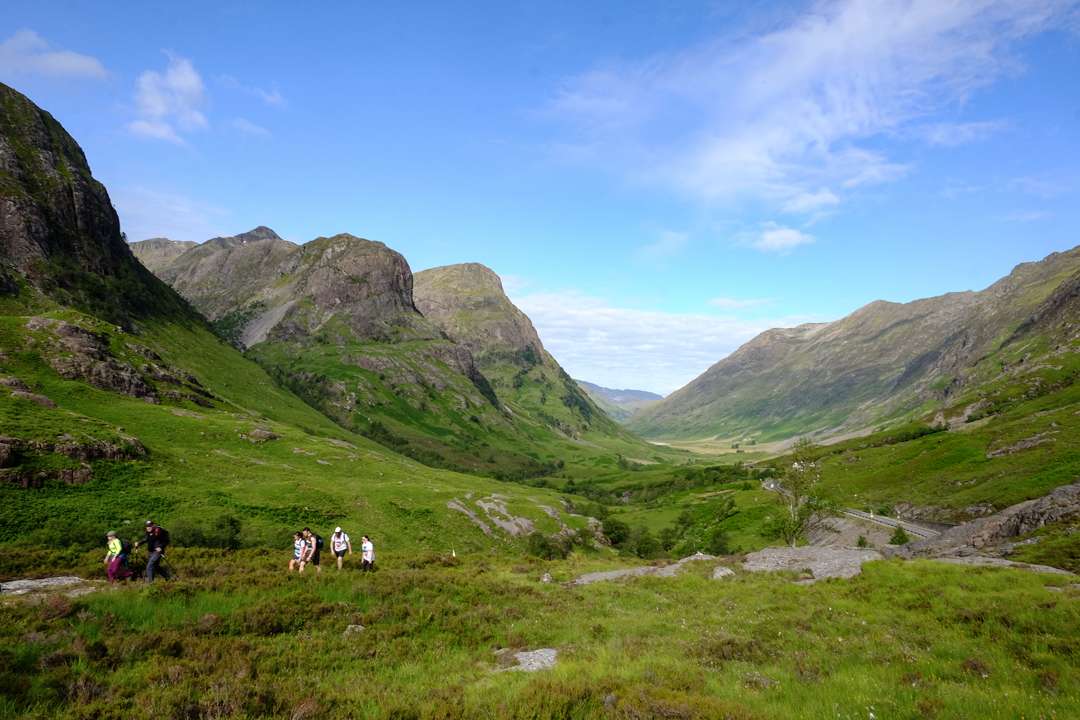
- Glencoe: the most cinematic glen in Scotland. Come early in the morning, before the coach parties arrive. Visit Glencoe.
- Loch Lomond: easy to reach from Glasgow, beautiful in every season, and the gateway to the Trossachs. Visit Loch Lomond.
- The North Coast 500: Scotland’s answer to Route 66, 500 miles around the north coast. Drive the North Coast 500.
- Orkney: Neolithic standing stones, wartime history, dramatic seascapes and the most extraordinary sense of remoteness. Visit Orkney.
- Lewis and Harris: white-sand beaches, Gaelic culture, Harris Tweed, and skies that feel bigger than anywhere else. Visit Lewis and Harris.
Want to go further? Try the real top ten places to visit in Scotland and 10 remote places in Scotland that are worth the effort to reach.
More places to visit in Scotland
- Scotland’s national parks: visit Loch Lomond and the Trossachs and the Cairngorms National Park.
- Royal Deeside: explore Royal Deeside, home to the famous Balmoral Pyramids.
- Orkney: discover 5,000 years of history in Orkney, including Skara Brae and the famous standing stones.
- The Isle of Islay: fall in love with the Isle of Islay, especially if you love whisky.
- Moray and Speyside: drive the Moray Firth coastal route through some of the north of Scotland’s prettiest villages, then head down into Speyside to tour the whisky distilleries.
- The East Neuk of Fife: eat your way around the East Neuk of Fife, Scotland’s Cornwall.
- The Western Isles / Outer Hebrides: have an adventure in the fabulous Outer Hebrides.
- Ardnamurchan: visit remote Ardnamurchan and the most westerly point of mainland Scotland.
- Wester Ross: discover the wilds of Wester Ross. With over 3,000 square miles of soaring mountains and atmospheric glens, ancient Caledonian forest and wild beaches set against fjord-like lochs, it’s one of the most spectacular, and remote, regions in the world.
- Aberdeenshire: discover Aberdeenshire, with its beautiful coast and hundreds of fairytale castles.
You could also plan your trip around one of Scotland’s events and festivals.
4. Pick a route or itinerary
Planning a road trip in Scotland is an art. You’ll want to see everything, from the Outer Hebrides and Skye to Orkney and Loch Ness, and believe me, it can’t all be done in one trip. Choose a route that fits the time you have:
- Compare the routes: my 10 best Scotland road trips, all on one map
- One week: my 7 day Scotland itinerary, from Edinburgh or Glasgow
- Ten days: my 10 day Scotland itinerary, including Skye
- The North Coast 500: my NC500 guide and 7 day NC500 itinerary
- Island hopping: go ferry hopping on the west coast. If you just have a few days, grab a CalMac ferry hopping ticket and sail from Skye to Mallaig, Kilchoan to Tobermory, and Craignure to Oban.
Don’t want to plan it yourself? Take your pick from my best tours in Scotland, from Skye to Glencoe and Outlander to whisky. There’s a tour for everyone.
5. Plan how you’ll get to Scotland
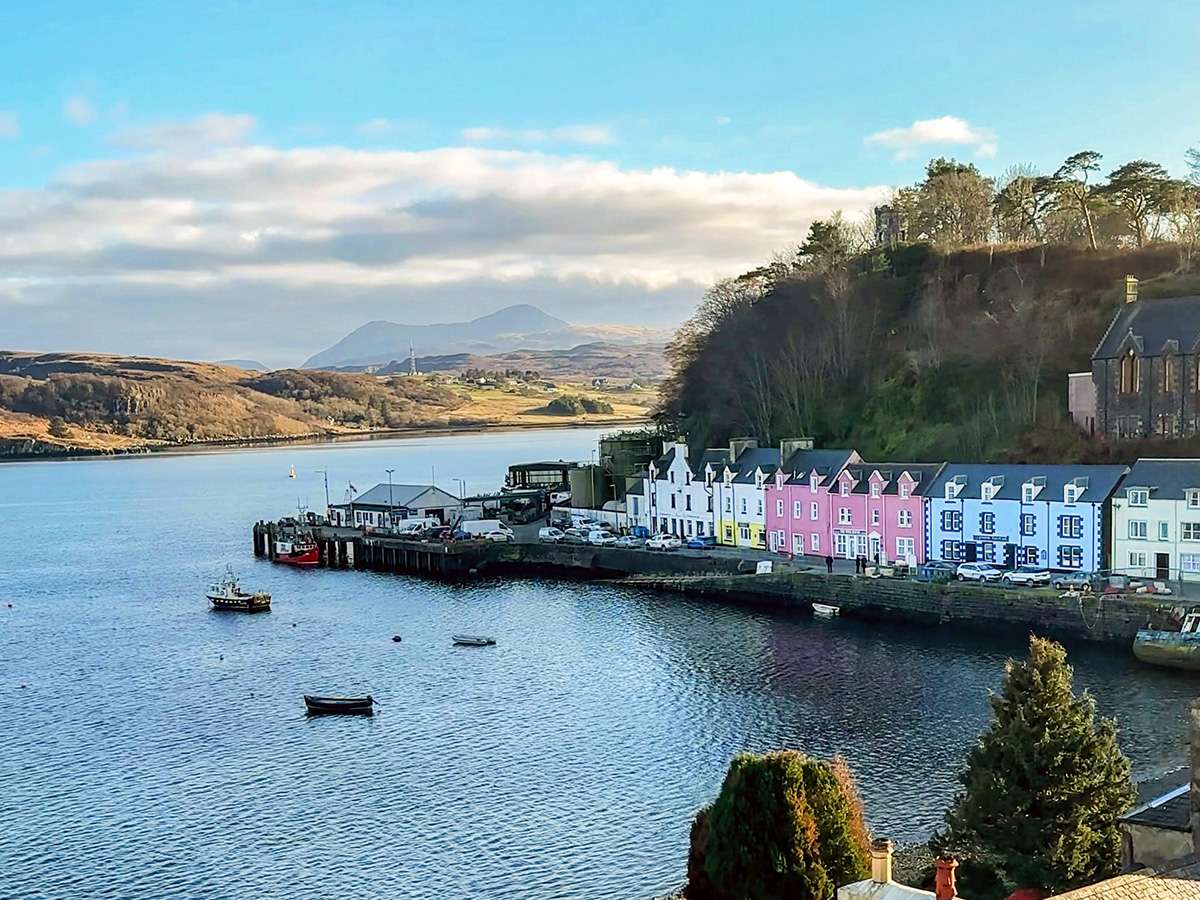
- Flying: Edinburgh and Glasgow have the most international flights. Aberdeen and Inverness are handy for the north, and Inverness is the closest airport to Skye and the NC500.
- From London by train: the fastest trains from London King’s Cross reach Edinburgh in about four and a half hours. The Caledonian Sleeper runs overnight from London Euston to Edinburgh, Glasgow, Aberdeen, Inverness and Fort William.
- From London by car: London to Edinburgh is around 400 miles, a full day’s drive. Break the journey if you can.
- From Ireland: ferries sail from Belfast and Larne to Cairnryan in south-west Scotland. There’s no direct ferry from Dublin, so fly or go via Belfast.
Flying in from abroad? Choose your airport by your route. Edinburgh suits the east and central Highlands, Glasgow suits Loch Lomond and the west coast, and Inverness suits Skye and the far north.
6. Decide how you’ll get around
For the Highlands and islands, a car gives you the most freedom. Buses and trains reach the main towns, but much of what makes Scotland special is down a single-track road.
- Car hire: book early for summer, especially if you need an automatic, because they cost more and sell out first. Check the rules if you want to take a hire car on a ferry.
- Driving: we drive on the left. On single-track roads, pull into passing places to let oncoming traffic by, and to let faster cars overtake. Never park in a passing place.
- Trains: two of the most scenic railway lines in the world are here. The West Highland Line runs from Glasgow to Fort William and Mallaig, and the Kyle Line runs from Inverness to Kyle of Lochalsh.
- Tours: if you’d rather not drive at all, a small-group tour is the easiest way to reach the Highlands and Skye.
7. Book the things that sell out
Scotland gets busy, and some things sell out months ahead. Book these first:
- Summer accommodation on Skye, along the NC500 and in the islands
- Edinburgh in August, when the Festival and Fringe fill the city and prices soar
- Car hire, especially automatics
- CalMac ferries if you’re taking a car to the islands in summer
- Popular experiences like the Jacobite steam train, distillery tours and restaurants on Skye
Here are my favourite places to stay in Scotland.
8. Set your budget
Scotland uses the pound sterling (GBP), the same as the rest of the UK, not the euro. Scottish banks print their own banknotes, which are fine to use across Scotland. Cards and contactless payments are accepted almost everywhere, but carry a little cash for remote areas, honesty boxes and small island cafés.
Accommodation is the biggest cost, and prices rise sharply in July and August. Travelling in spring or autumn is the easiest way to save.
For more, see my budget planning guide.
9. Prepare for the Scottish weather
It is going to rain on your trip to Scotland. I can guarantee it. Scotland doesn’t stay a wonderful green & verra pleasant land without a lot of rain.
When we talk about “the weather” we rarely mean the sun. Instead, we have hundreds of words for rain. My favourites include:
- dreich: miserable
- drookit: absolutely chucking it down
- stoating: the rain is bouncing off the ground (also used to describe very drunk people)
- haar: a thick sea mist which means you can’t see a bloody thing, mostly seen in Skye and Edinburgh
We do get sunshine, occasionally, but pack a waterproof coat. To quote Billy Connolly, there’s no such thing as bad weather, just the wrong clothing, so get yourself a sexy raincoat and live a little.
From late May to September, the west coast also has midges, so read my midge survival guide before you go.
My complete Scotland packing list covers everything you’ll need for a memorable trip, from waterproof clothing and outdoor essentials to tech accessories and family-friendly gear.
So, no matter when or where you visit, you’ll be ready for anything the Scottish skies throw your way.
Planning a trip to Scotland: FAQs
What is the best time of year to visit Scotland?
May, June and September are my favourites: long days, fewer crowds than July and August, and fewer midges. Autumn is best for colour and winter for Hogmanay. See my guide to Scotland month by month.
How many days do you need in Scotland?
A week lets you see one part of Scotland properly, such as Edinburgh and the central Highlands, or the west coast and Skye. Ten to fourteen days lets you combine two regions and add an island. For the NC500, the Outer Hebrides or Orkney, allow two to three weeks.
Should I fly into Edinburgh or Glasgow?
Choose by your route. Edinburgh is best for the capital, Perthshire and the central Highlands. Glasgow is closer to Loch Lomond, Glencoe and the west coast. If you’re heading to Skye or the NC500, Inverness is closer than either.
What currency does Scotland use?
Scotland uses the pound sterling (GBP), like the rest of the UK. It doesn’t use the euro. Cards and contactless are accepted almost everywhere, but carry some cash for remote areas.
How do I get from London to Scotland?
The quickest way is the train from London King’s Cross to Edinburgh, about four and a half hours. The Caledonian Sleeper runs overnight to Edinburgh, Glasgow, Aberdeen, Inverness and Fort William. Driving from London to Edinburgh is around 400 miles, so allow a full day.
Do I need a car in Scotland?
Not for Edinburgh and Glasgow, but for the Highlands and islands a car gives you far more freedom. If you don’t drive, use the train to the main towns and join small-group tours from there.
How far ahead should I book a trip to Scotland?
For July and August, book accommodation on Skye, the NC500 and the islands several months ahead, along with car hire and car spaces on ferries. Edinburgh in August books up earliest of all.
Ready to start planning?
Start with the route: compare my 10 best Scotland road trips, then find somewhere to stay.
For quick answers to everything else, see my Scotland travel FAQs.
Kate – Love, from Scotland x


Leave a Reply