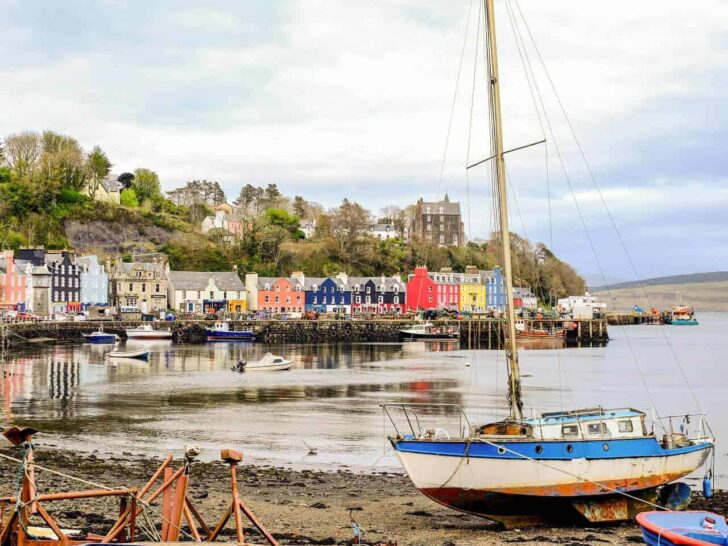


The Isle of Mull is the second largest of the Inner Hebrides and one of Scotland’s most beautiful islands. Wilder than Arran, less crowded than Skye, and packed with everything that makes the Hebrides special: world-class wildlife, white sand beaches, a colourful seaside town, an extinct volcano, and one of the most sacred islands in Scottish history just off its southwestern tip.
Mull is also surprisingly manageable. A 45-minute ferry from Oban gets you onto the island. Three or four days lets you see the highlights. A week and you’ll be planning your return.
This guide covers 18 of the best things to do on Mull, plus how to get there, where to stay, and where to eat. Everything below has been personally tried and tested.
At a glance
- Where: Inner Hebrides, off the west coast of Scotland
- How to get there: 45-minute ferry from Oban to Craignure (book ahead in summer)
- How long to stay: A day trip is possible but rushed. 3–4 nights ideal. A full week if you want to slow down.
- Best for: wildlife watching, beach lovers, walkers, history buffs, slow travel, families
- Best time to visit: May–September for puffins, beaches and boat trips. October for autumn colour and quieter roads.
- Don’t miss: Tobermory, Iona, Calgary Bay, a Staffa boat trip
The 18 best things to do on the Isle of Mull
1. Spend a day in Tobermory
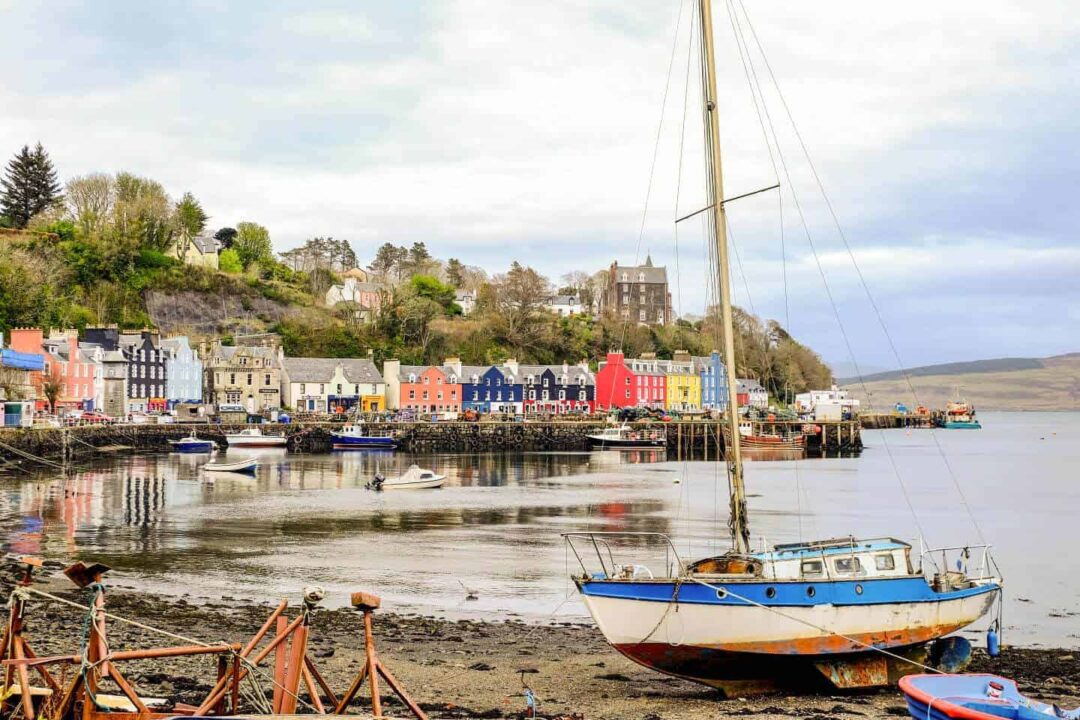
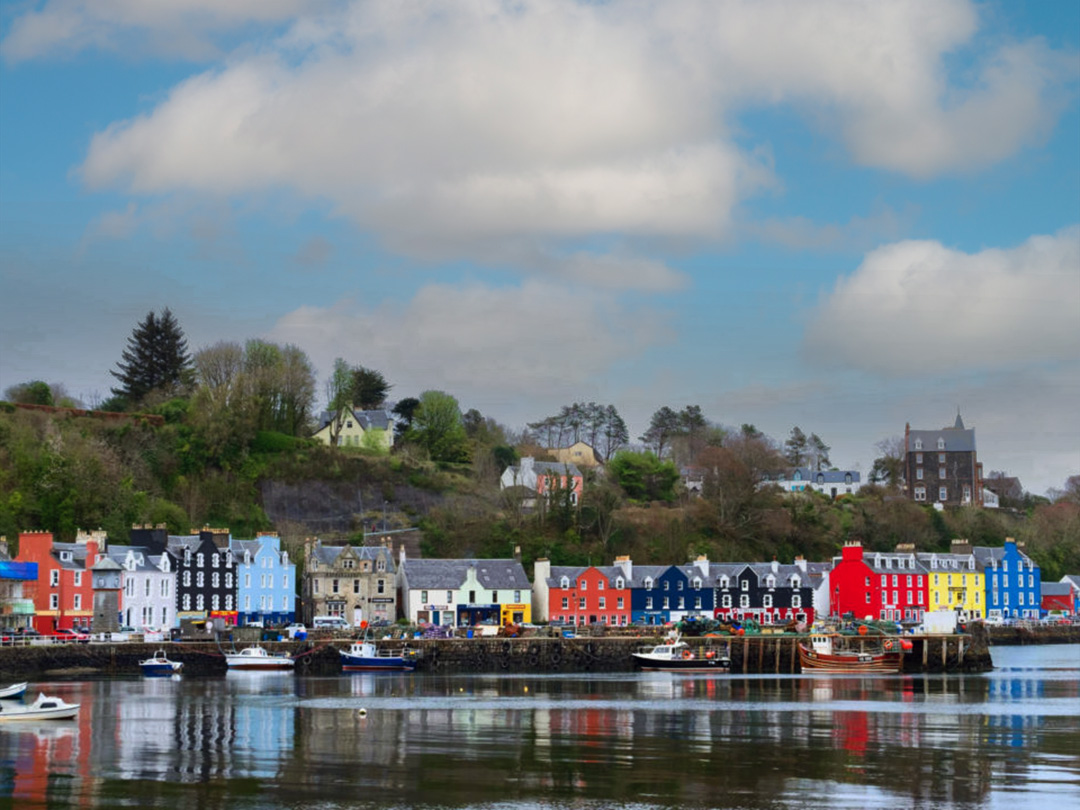
Mull’s “capital” Tobermory is one of the prettiest harbour towns in Scotland, instantly recognisable from the row of brightly painted houses curving around the bay (and yes, this is the real-life Balamory from the kids’ TV show). Spend a morning browsing the independent shops along Main Street, grab a coffee at the harbourfront, and walk the three-mile loop out to Rubha nan Gall lighthouse for one of the best short walks on the island.
The Mull Museum is a small but worthwhile collection of island history, free to enter. The Mull Aquarium next door focuses on local marine life and is brilliant for kids. Plan to base yourself in Tobermory for at least one or two nights of your trip.
2. Tour Tobermory Distillery
Right on the Tobermory waterfront, Tobermory Distillery is one of just a handful of distilleries on Scottish islands and produces both unpeated Tobermory single malt and the heavily peated Ledaig. Tours run daily and end with a tasting. The distillery is walkable from anywhere in town, so no designated driver required.
3. Sail to the Isle of Iona
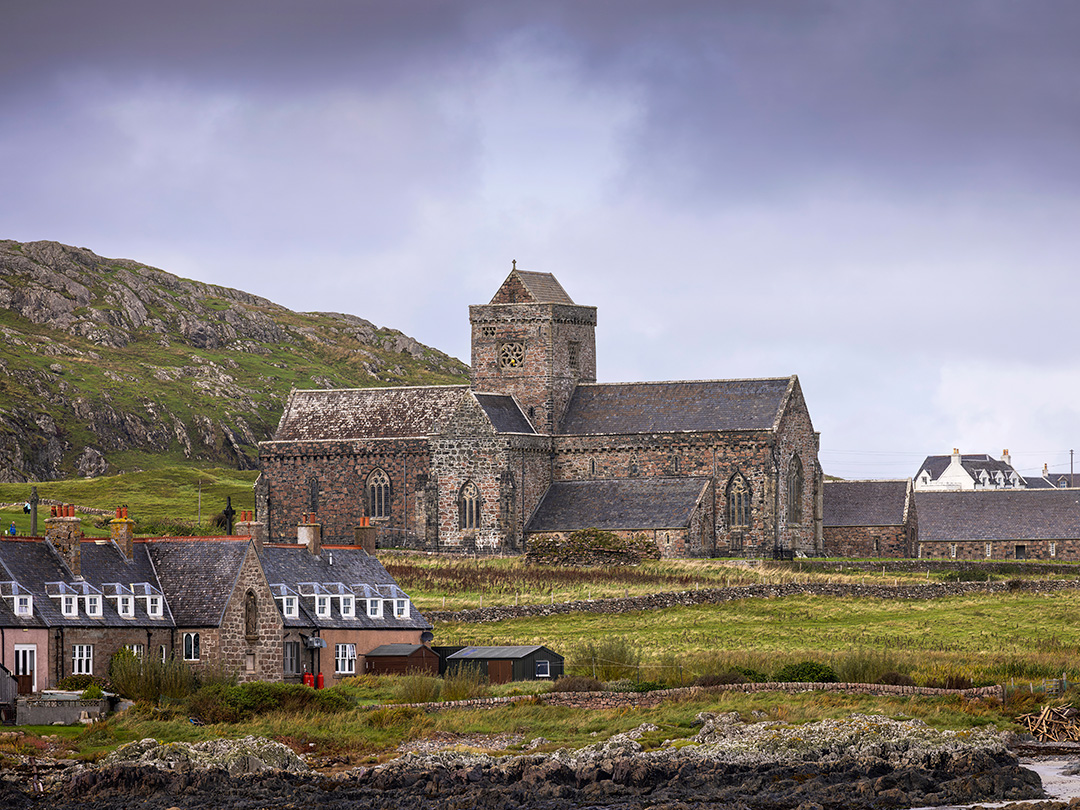
The tiny Isle of Iona, just off Mull’s southwestern tip, is the spiritual heart of Scotland and one of the most extraordinary day trips you can do anywhere in Britain. Iona Abbey was founded by St Columba in 563 AD and is considered the birthplace of Scottish Christianity. Forty-eight Scottish kings are buried here, including Macbeth and Kenneth MacAlpin.
Drive to Fionnphort at Mull’s southwestern tip (about an hour from Tobermory) and catch the short Calmac ferry across to Iona (10 minutes, no booking required, foot passengers only). Walk the Sràid nam Marbh, the Street of the Dead, along which kings were carried from Martyrs Bay to St Oran’s burial ground. Visit the Abbey itself, walk to the white sands of the north end, and have lunch at the St Columba Hotel.
Get the earliest ferry across that you can. By mid-morning the day-trip crowds arrive and the magic dissipates.
4. Take a Staffa and Fingal’s Cave boat trip
The tiny island of Staffa, with its hexagonal basalt columns and the cathedral-like Fingal’s Cave, is one of the most extraordinary geological sights in Britain. The cave inspired Mendelssohn’s Hebrides overture and has been a place of pilgrimage for romantic poets for two centuries.
Boat trips run from Fionnphort, Iona and Tobermory, mainly between April and October. Most operators time the visit to allow you to land on the island and walk into the cave itself. Staffa is also home to a puffin colony from late April to early August, easily one of Britain’s best puffin-spotting spots. Combine a Staffa trip with a visit to the Treshnish Isles for even more wildlife.
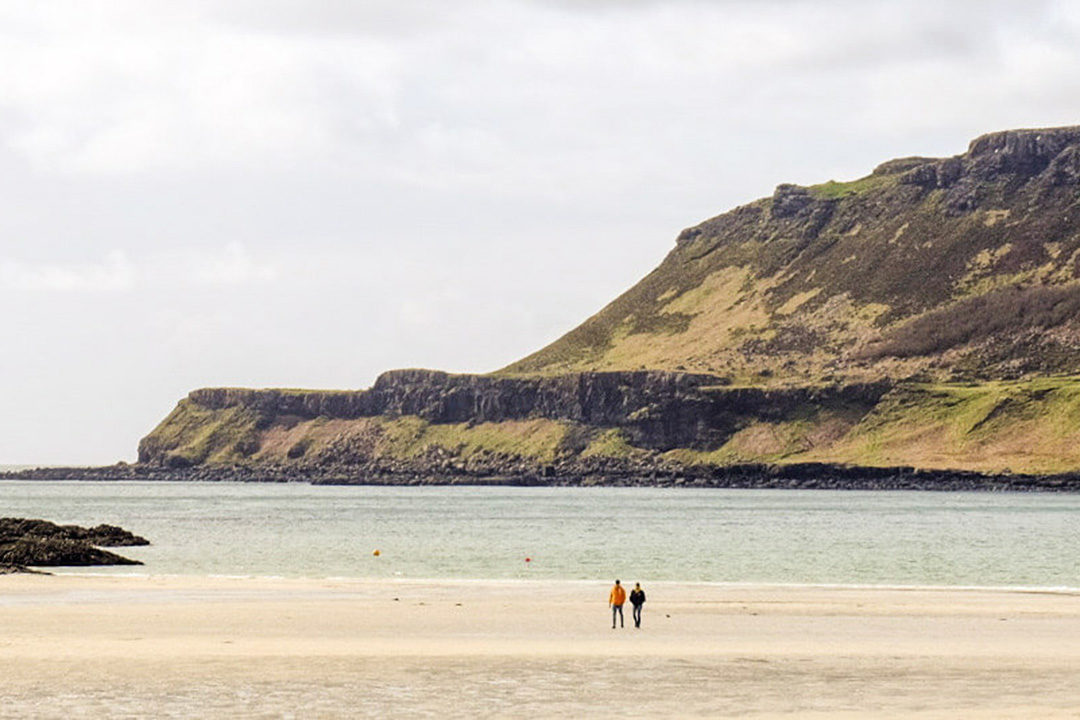
5. Discover Calgary Bay
On Mull’s north coast, around 35 minutes’ drive from Tobermory along single-track roads, Calgary Bay is one of Scotland’s most photographed beaches. White sand, turquoise water on a sunny day, and a sweep of meadow grass leading down to the shore. The beach is named after the Calgary in Alberta, Canada (named for the bay, not the other way around).
There’s a summer beach café, basic camping, and the brilliant Calgary Art in Nature sculpture trail running through the woodland behind the beach. The pretty village of Dervaig is a short drive away with a pub for lunch. On a sunny day, you’d be forgiven for thinking you’d ended up in the Caribbean.
6. Climb Ben More
Ben More is the only Munro (a Scottish mountain over 3,000 ft) on a Scottish island other than Skye. Standing 966m above Loch Na Keal, it’s an extinct volcano with views across to Ulva, the Treshnish Isles, and on clear days as far as Ben Cruachan and the Paps of Jura.
The most straightforward route starts from the south shore of Loch na Keal at Dhiseig: 9km return, 5–7 hours, no scrambling required. Be warned that the upper slopes are loose scree and slippery in the wet. Even if you don’t make it to the summit, the views from halfway up are worth the effort. Walk Highlands has the full route description.
7. Go wildlife watching
Mull is the wildlife capital of the UK, full stop. White-tailed sea eagles (the biggest birds of prey in Britain) breed on the island, golden eagles soar above the hills, otters fish along the coast at dawn and dusk, red deer roam the moorland, and porpoises, minke whales and basking sharks pass through the surrounding waters in summer.
Book a guided trip with Mull Eagle Watch, Nature Scotland, or Mull Charters for the best chance of seeing eagles, otters and marine life. Or simply drive slowly along the coastal roads at dawn and dusk. Mull is one of the few places in Britain where you might spot otters from your car.
8. Visit Duart Castle
Perched dramatically on a cliff overlooking the Sound of Mull, Duart Castle is the ancestral seat of Clan MacLean and one of the first things you’ll see arriving on the Oban ferry. The 13th-century castle has been the family home for over 700 years and is still lived in by the current chief.
Tour the castle’s interior to see period furniture, clan artefacts, and the dungeon where Spanish prisoners were kept after the Armada. The walk along the cliffs around the castle is excellent. Open April to October, around £8.50 for adults.
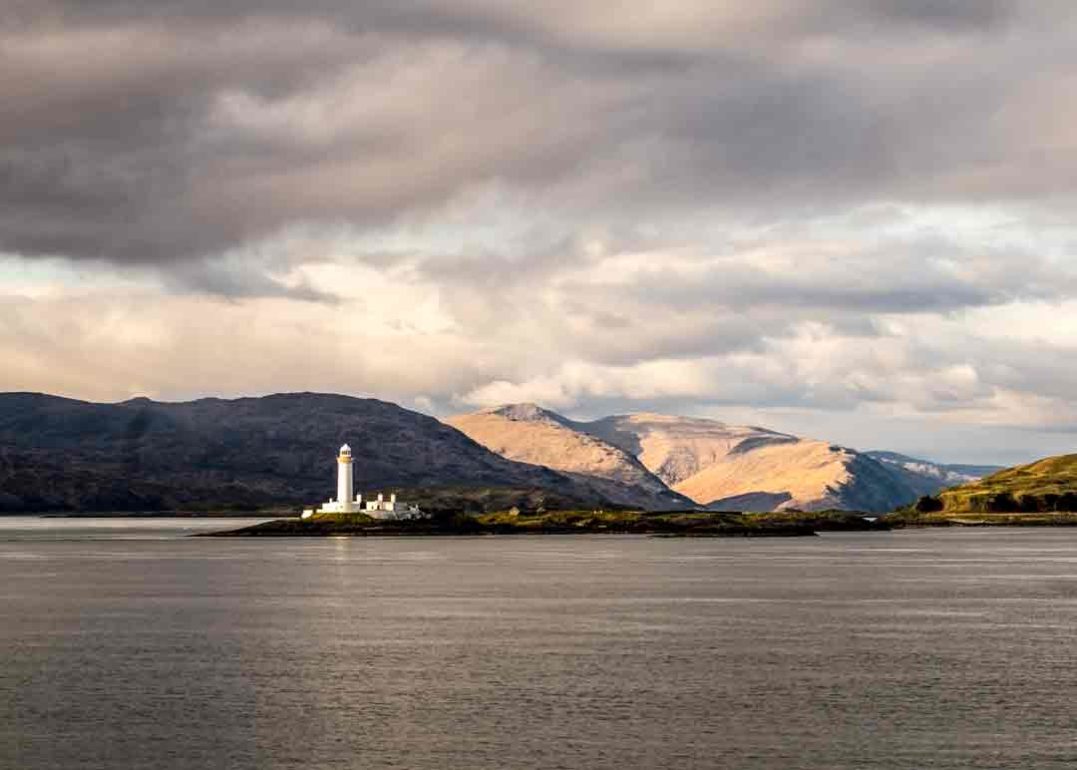
9. Find Mull Cheese at Sgriob-ruadh Farm
Three miles inland from Tobermory, Isle of Mull Cheese is a working dairy farm producing the famous Isle of Mull cheddar, sold in delis across the UK. Their on-site Glass Barn café is one of the loveliest spots on the island for lunch, with home-grown salads, cheese platters, and views over the surrounding farmland.
The Reade family have been farming here since 1979 and the cheese-making process is fascinating. Booking is recommended in summer.
10. Drive the single-track roads
Half the joy of Mull is simply driving. The road around Loch na Keal, the route up to Calgary Bay, the back road from Salen to Loch Beg: some of the most beautiful drives in Scotland. Single-track with passing places, slow going, and constantly worth stopping for the next view, the next Highland coo, or the next pair of sea eagles overhead.
The “slow road” between Salen and Loch Beg Bridge is a particular highlight. Allow far more time than your sat nav suggests.
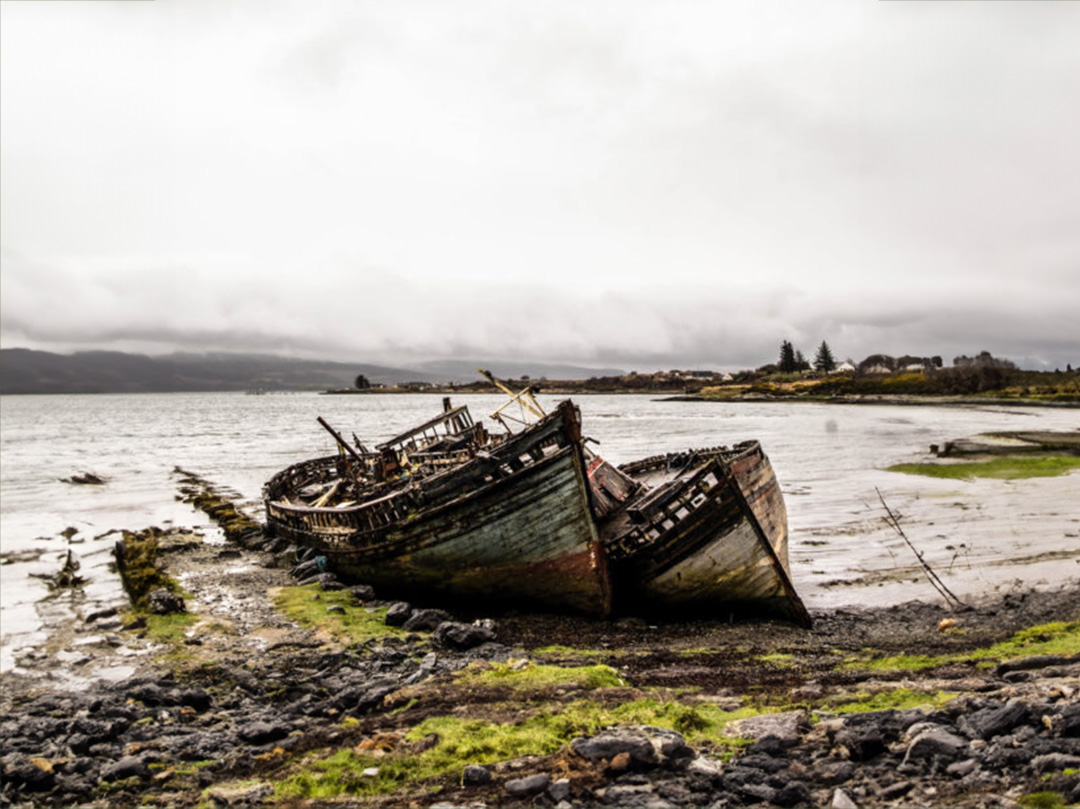
11. Photograph the Salen shipwrecks
Halfway between Tobermory and the Craignure ferry terminal, on the shore at Salen, lie the rotting remains of three wooden fishing boats. The most photogenic shipwrecks in Scotland. They sit on the beach at Salen Bay, perfectly framed against the Sound of Mull and (if you’re lucky) the mountains of Morvern beyond.
Best photographed at sunrise, sunset or in moody weather. A 10-minute stop on your way through.
12. Visit the Lochbuie Stone Circle
On the south coast of Mull, hidden in a field surrounded by mountains and sometimes by Highland cattle, the Lochbuie Stone Circle is the only complete prehistoric stone circle on the island. Nine large stones, still well preserved, standing where they’ve stood for around 4,000 years.
It’s a bumpy single-track drive to reach Lochbuie, and you’ll need sturdy footwear to plod across the muddy field. Combine the circle with a walk to the ruins of Moy Castle, also at Lochbuie, on the shore of the loch.
13. Stay at (or visit) Glengorm Castle
Glengorm Castle is a Victorian baronial pile on Mull’s north coast, between Tobermory and Calgary Bay. The castle was built in the mid-19th century by James Forsyth, who cleared an entire township from his land to build it. Local legend has it Forsyth was cursed by an elderly local: he died just after the castle was finished, never living in his own creation.
You can stay at Glengorm as a B&B guest, or visit the estate for walks, the on-site coffee shop and farm shop, and the Glengorm Wildlife Centre with regular sightings updates and guided walks.
14. Find the Lachlan Macquarie Mausoleum
In the tiny hamlet of Gruline on Mull’s central road, the mausoleum of Lachlan Macquarie marks the burial place of the man known as the “Father of Australia.” Macquarie was Governor of New South Wales from 1810 to 1821 and is credited with shaping early colonial Australia. His remains were brought back to his Mull birthplace, where the mausoleum is tended by the National Trust of Australia.
A small but moving spot, free to visit, well signposted from the main road.
15. Visit the Treshnish Isles
The uninhabited Treshnish Isles, off Mull’s west coast, are a wildlife paradise. Most visitors come here for Lunga, the largest of the islands, which has a huge puffin colony from late April to early August. Puffins on Lunga are famously fearless and will often pose within a few feet of visitors.
Boat trips run from Tobermory, Ulva Ferry and Fionnphort. Most combine the Treshnish with Staffa for a full-day wildlife trip.
16. Cross to the Isle of Ulva
Ulva is a tiny community-owned island just off Mull’s west coast, reached by a small passenger ferry from Ulva Ferry (April to October, summon it by sliding the red panel on the boathouse). The Boathouse café serves home-baked cakes, oysters from the loch, and excellent coffee with views back to Mull.
Walk to the basalt columns at Livingston’s Cave (echoes of Staffa) or just spend the afternoon wandering the quiet tracks that crisscross the island. There’s a rich history here too: David Livingstone’s grandfather lived on Ulva before emigrating to Africa.
17. Explore Loch Frisa
Mull’s largest freshwater loch sits in the middle of the island, surrounded by pine forest and home to one of the island’s white-tailed sea eagle nesting sites. The Forestry Scotland car park at the south end has marked walking trails through the woods, including a route up to a hide overlooking the loch.
Loch Frisa is the easiest place on the island to do a proper forest walk and one of the most reliable spots for seeing eagles, particularly in the early morning.
18. Go island-hopping
Mull is brilliantly placed for island-hopping. From Tobermory you can take the foot ferry to Kilchoan and the Ardnamurchan peninsula. From Lochaline (via the Fishnish ferry off Mull) you can drive on to Morvern. From Oban (via the Craignure ferry) you can connect to Coll, Tiree, Colonsay, and Islay. Or stay on Mull and add Iona, Staffa, Ulva and the Treshnish Isles to your trip.
Read more in my Hebridean island-hopping guide.
Where to eat on the Isle of Mull
Tobermory
- Café Fish: harbour-side seafood restaurant. Caught that morning, cooked simply, eaten with a view. Booking essential.
- Hebridean Lodge: sit-down dinner with proper Hebridean ingredients. Walking distance from the harbour.
- MacGochans: pub on the harbour, big portions, dog-friendly, popular with locals.
- The Mishnish: Tobermory’s iconic yellow waterfront pub, decent food, great atmosphere, live folk music in season.
- Tobermory Bakery: pastries, sourdough, coffee. Brilliant grab-and-go.
- The Pottery Tearoom: proper afternoon teas in a cosy setting just off the main street.
Around the island
- Ninth Wave (Fionnphort): sophisticated tasting-menu restaurant overlooking the Sound of Iona. A genuine destination address. Booking well ahead essential.
- The Glass Barn at Sgriob-ruadh Farm (near Tobermory): Isle of Mull cheese, home-grown salads, brilliant lunches. Open spring to autumn.
- The Bellachroy Hotel (Dervaig): Mull’s oldest inn (1608), good pub food and rooms.
- Calgary Bay Beach Café: summer-only, cakes and toasties with one of Scotland’s best beach views.
- The Boathouse (Ulva): fresh oysters and home baking on a tiny island. Ferry across, eat lunch, walk it off.
- St Columba Hotel (Iona): surprisingly good restaurant on Iona itself; perfect for combining with the Abbey.
Where to stay on the Isle of Mull
Tobermory
- Western Isles Hotel: Tobermory’s grand Victorian hotel, sitting high above the harbour with extraordinary views.
- Park Lodge Hotel: boutique hotel in the heart of Tobermory, walking distance to everything.
- Harbour Guest House: friendly B&B right on the harbour.
- Burnbank B&B: well-priced and well-located for exploring north Mull.
Around the island
- Glengorm Castle: stay in the Victorian castle itself between Tobermory and Calgary.
- Isle of Mull Hotel and Spa: near the Craignure ferry terminal, modern, with pool and spa.
- The Bellachroy Hotel: historic 17th-century inn at Dervaig, perfectly placed for Calgary Bay.
- Inn at Pennyghael: at the head of Loch Scridain, brilliant for exploring the Ross of Mull and Iona.
Iona
- St Columba Hotel: the only hotel proper on Iona itself. Stay overnight to have the abbey to yourself before the day-trip crowds arrive.
How to get to the Isle of Mull
By ferry
Three Calmac ferry routes serve Mull:
- Oban to Craignure (45 minutes): the main route, suitable for cars, essential to book in advance for summer travel
- Lochaline to Fishnish (18 minutes): short crossing from Morvern, no booking, first come first served
- Kilchoan to Tobermory (35 minutes): from Ardnamurchan, no booking, summer only
For most visitors arriving from Glasgow or Edinburgh, the Oban-Craignure ferry is the obvious choice. Crossings get extremely busy in summer; book your spot at least a few weeks ahead.
By car
Oban is around 2.5 hours from Glasgow and 3.5 hours from Edinburgh. The drive from Glasgow goes via Loch Lomond and Crianlarich. From Edinburgh, you’ll come via Stirling and Callander.
Once on Mull, a car is essential unless you’re staying put in Tobermory. Roads are mostly single-track with passing places, so allow more time than the distances suggest.
By public transport
ScotRail trains run from Glasgow Queen Street to Oban in around 3 hours. Citylink buses also serve Oban from Glasgow Buchanan Street. On Mull, West Coast Motors run buses connecting Craignure, Salen, Tobermory and Fionnphort, but services are limited.
When to visit Mull
- Spring (April–May): lambs, wildflowers, returning seabirds, fewer visitors. Boat trips start running in April.
- Summer (June–August): puffins on Staffa and Lunga, longest days, warmest sea, busiest roads. Book everything well ahead.
- Autumn (September–October): my favourite season. Heather turning, autumn colour in the woodland, fewer crowds, often beautifully clear days.
- Winter (November–March): quiet, dramatic, and for the slow-travel-minded. Many businesses close or reduce hours; some boat trips and tours don’t run.
Isle of Mull: frequently asked questions
Is the Isle of Mull worth visiting?
Absolutely. Mull is one of the easiest Scottish islands to reach, packed with world-class wildlife, a beautiful capital town in Tobermory, the sacred island of Iona on its doorstep, and some of Britain’s best beaches. It’s wilder than Arran but less crowded than Skye.
How long do you need on the Isle of Mull?
A day trip from Oban is possible but rushed. Three to four nights is the minimum to see the highlights. A full week lets you slow down, do a couple of wildlife trips, visit the surrounding islands, and have time to enjoy bad weather days indoors.
Can you visit the Isle of Mull without a car?
Yes but with limitations. You can foot-passenger across to Craignure or Tobermory and use the West Coast Motors bus network to get between the main villages. But many of the best things on Mull (Calgary Bay, Lochbuie, Loch Frisa) are only realistically reachable by car. Renting a car on the mainland and bringing it across is the easiest option.
What's the best time to visit the Isle of Mull?
May to September for boat trips, puffins and warmer weather. September and early October are my personal favourite for autumn colour and fewer crowds. Avoid late June to August if you want quiet roads, and book accommodation 6+ months ahead for any summer trip.
Do you need to book the ferry to Mull?
For the Oban-Craignure crossing in summer, yes, well in advance. For the Lochaline-Fishnish and Kilchoan-Tobermory crossings, no booking is taken; it’s first come, first served, and queues can build at peak times.
Can you do Iona as a day trip from Mull?
Easily. Drive to Fionnphort at the southwest tip of Mull (around an hour from Tobermory), park, and take the foot ferry across to Iona (10 minutes, no booking, runs throughout the day). Get the earliest crossing possible and visit the Abbey before the day-trippers arrive from Oban.
Where's the best place to stay on Mull?
Tobermory for the seaside town vibe and walkable food scene. Dervaig or near Calgary Bay for north-island beaches and wildlife. Pennyghael or Bunessan for easy access to Iona and the Ross of Mull. Craignure if you want to be near the ferry. Glengorm Castle for the full Victorian baronial experience.
Love from Scotland x


Leave a Reply