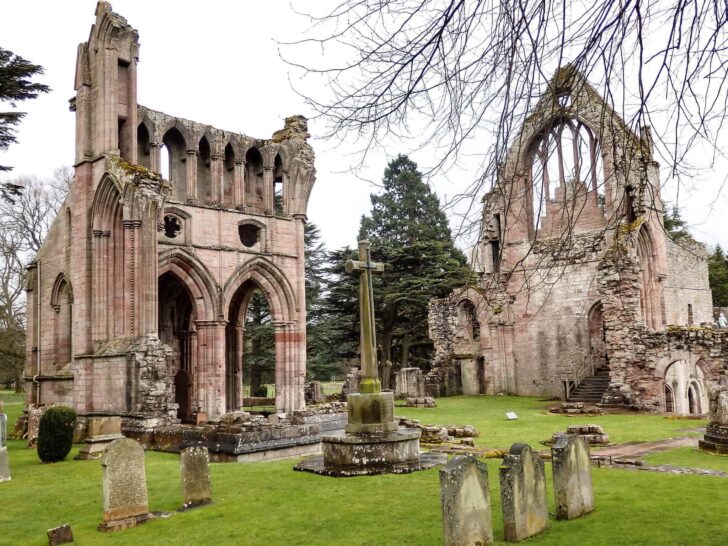


From Sir Walter Scott to Rule Britannia, a walk around the River Tweed by St Boswells in the Scottish Borders is a literary delight. We headed for a walk along St Cuthbert’s Way to explore Dryburgh Abbey.
Dryburgh Abbey and the River Tweed
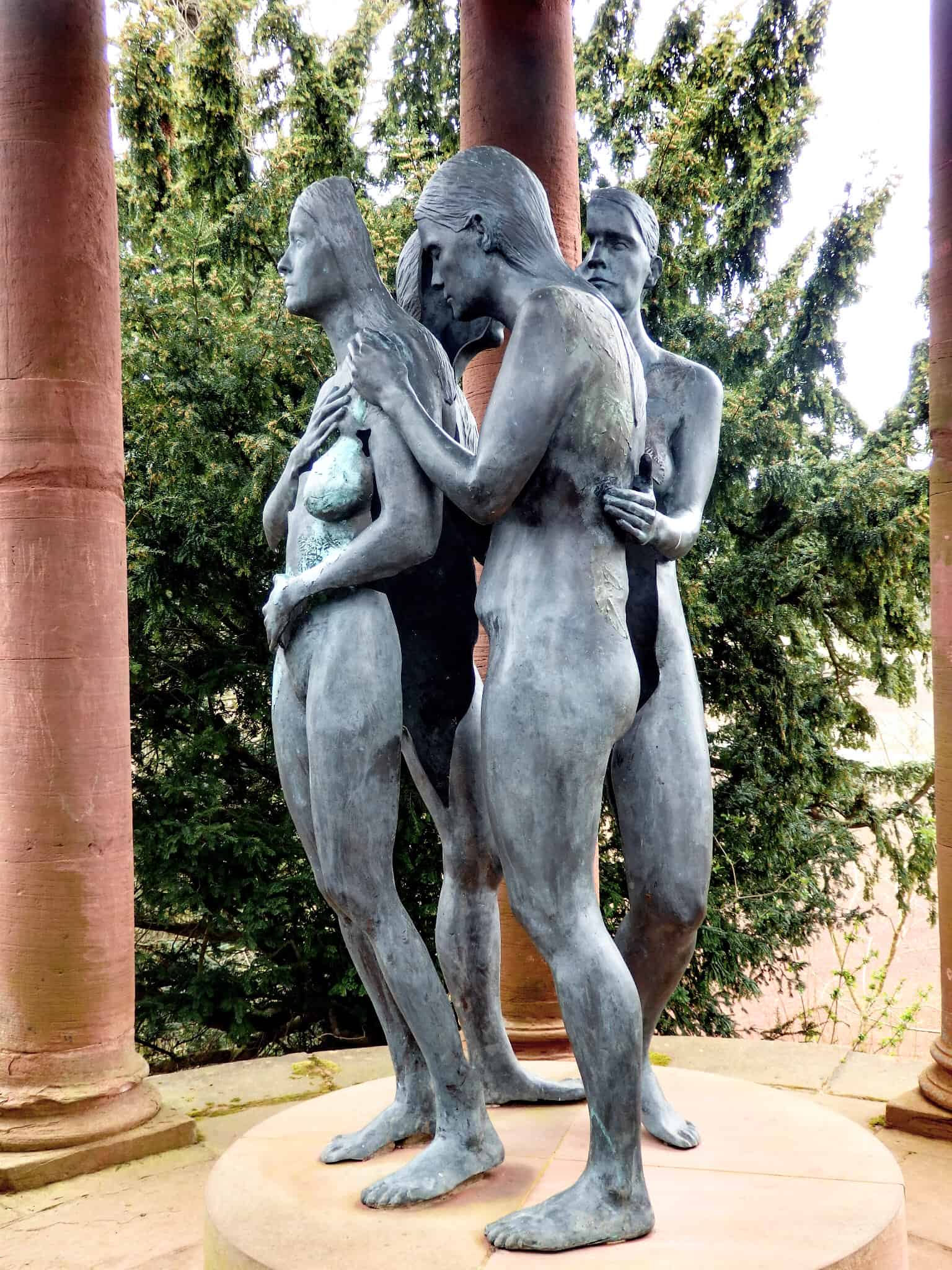
The Scottish Borders are famous for its four 12th Century abbeys – Melrose, Jedburgh, Kelso and our destination, Dryburgh, which sits on the banks of the River Tweed by St Boswells. After parking up in the abbey car park we started our walk by heading north along the river to find the Temple of Muses. Dedicated to James Thomson author of the epic poem the Four Seasons (and also strangely Royal Britannia!) the modern sculpture ‘Four Seasons’ by Siobhan O’Hehir was added to as part of the temple’s restoration by the Tweed Rivers Heritage Project. Despite Thompson’s “blossom’d Spring” not showing its “white promise forth” the setting of the temple is still rather beautiful.
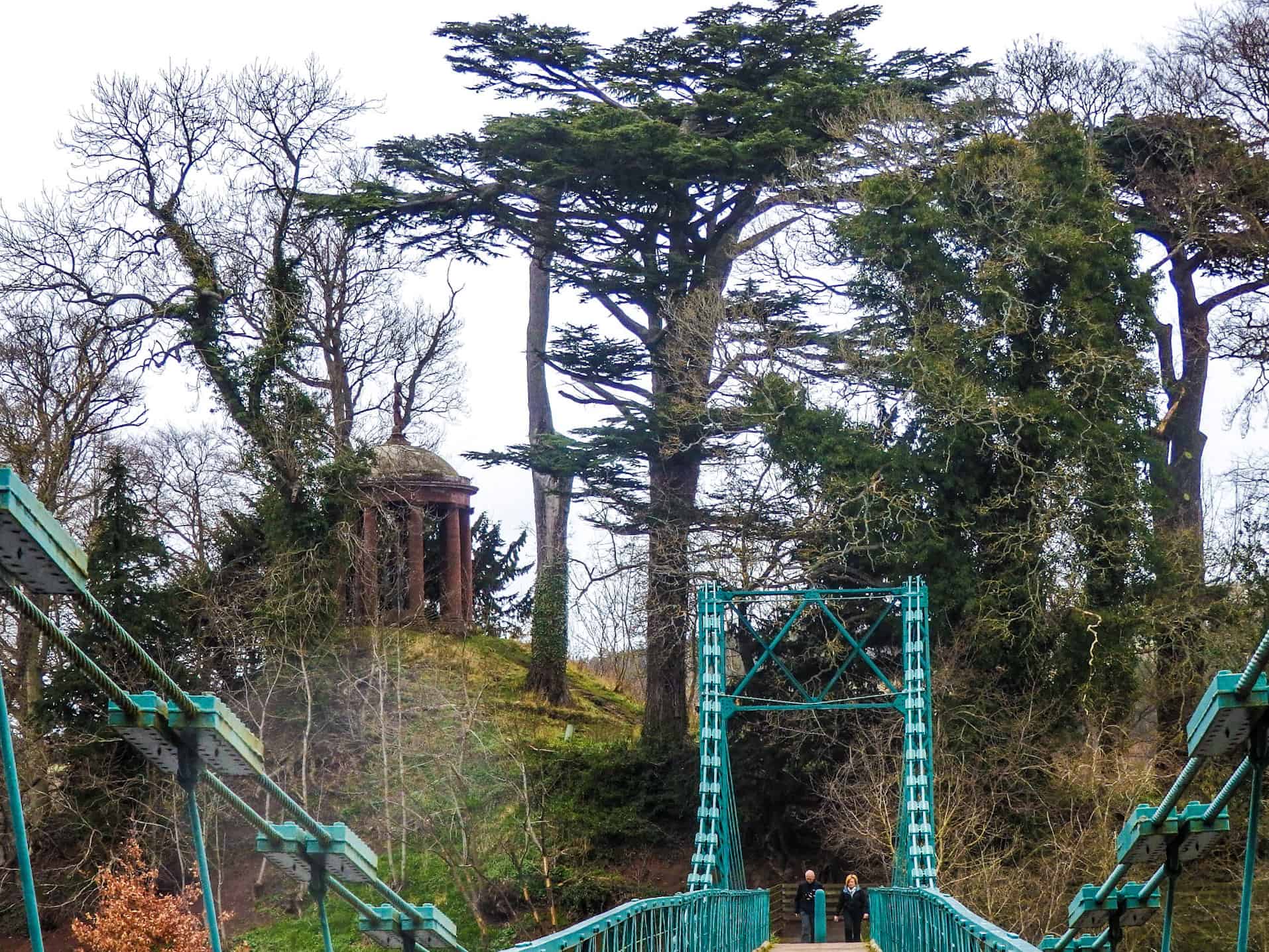
Crossing over the Dryburgh suspension bridge (it is rather wobbly!) which was gifted to the people of Dryburgh in 1872 so that they could worship in St Boswells across the river, we joined the St Cuthberts Way, a 100km long distance route which runs from Melrose Abbey to Lindisfarne. If you are into long distance walks you could also walk the circular Border Abbey Way which, over 100km, takes in all four abbeys. We’d decided to do a more leisurely 10km!
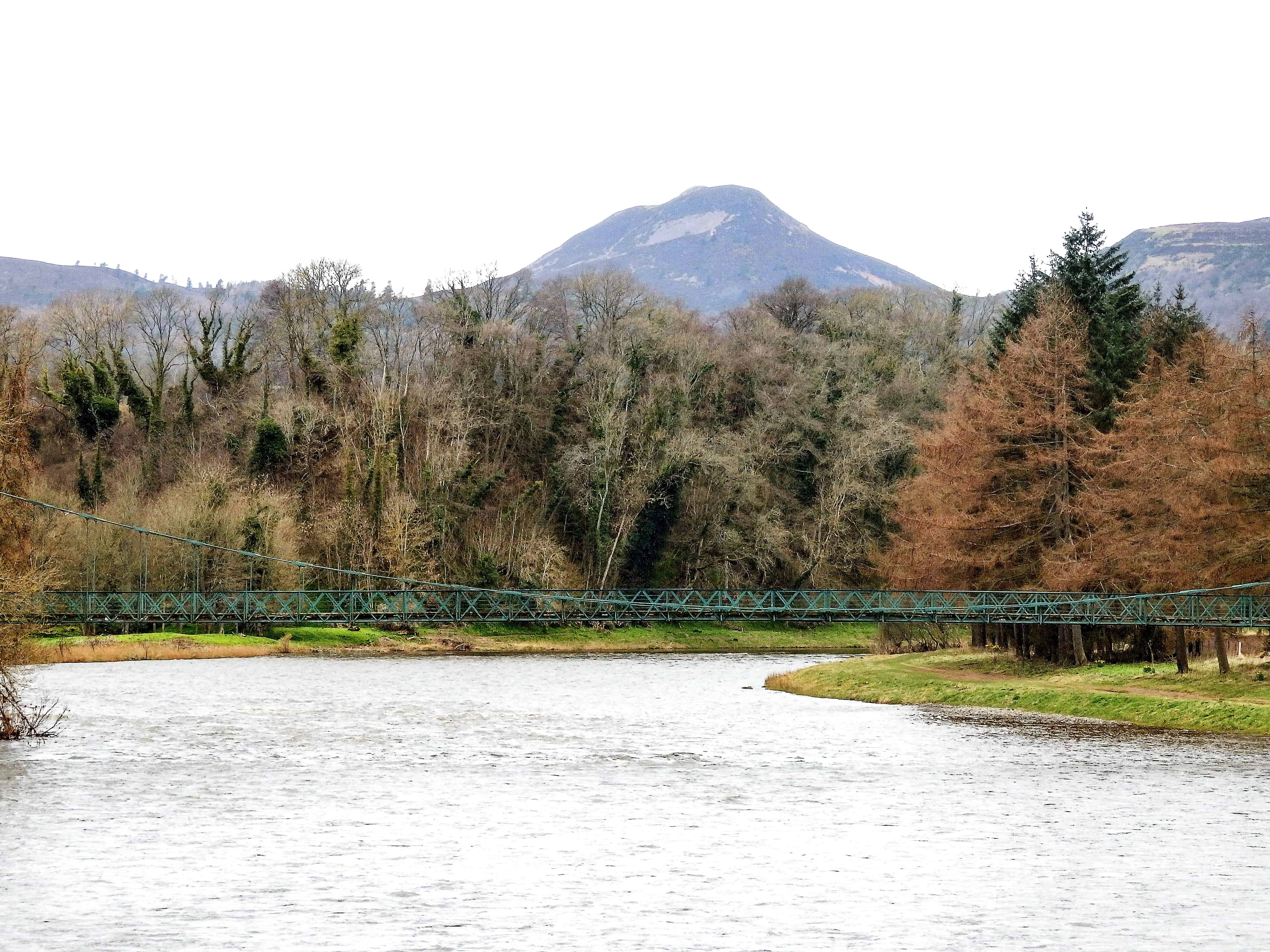
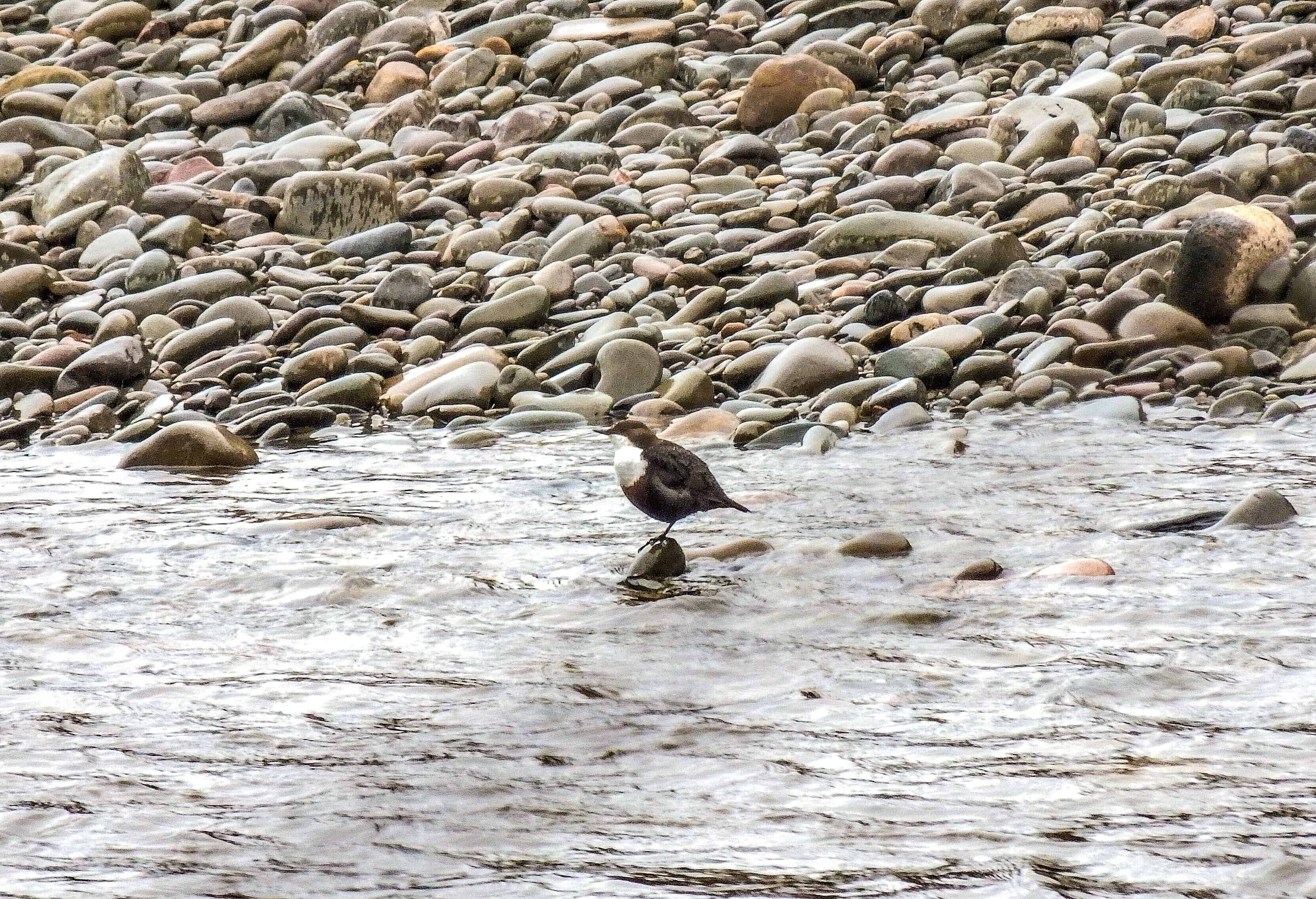
The path along the river was very quiet with walkers, but a little busier with wildlife. My favourite was this little dipper. We also spotted Goosanders and Oyster Catchers!
After lots of mud and an extra 2 km detour along a busy main road, which we worked out afterways because of our poor map reading skills that we didn’t actually have to do, we found ourselves back beside the Abbey, which is really the star of the show.
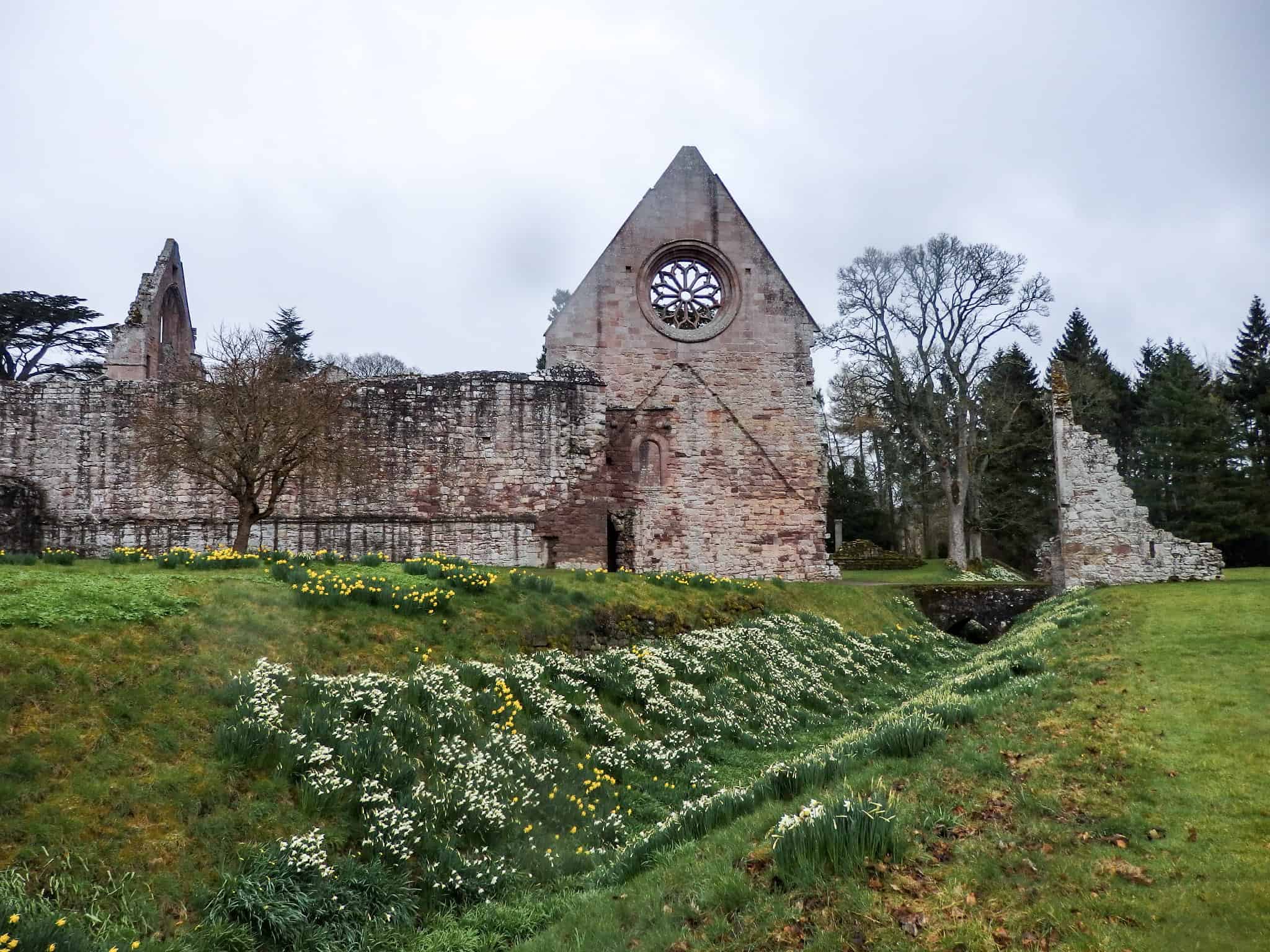
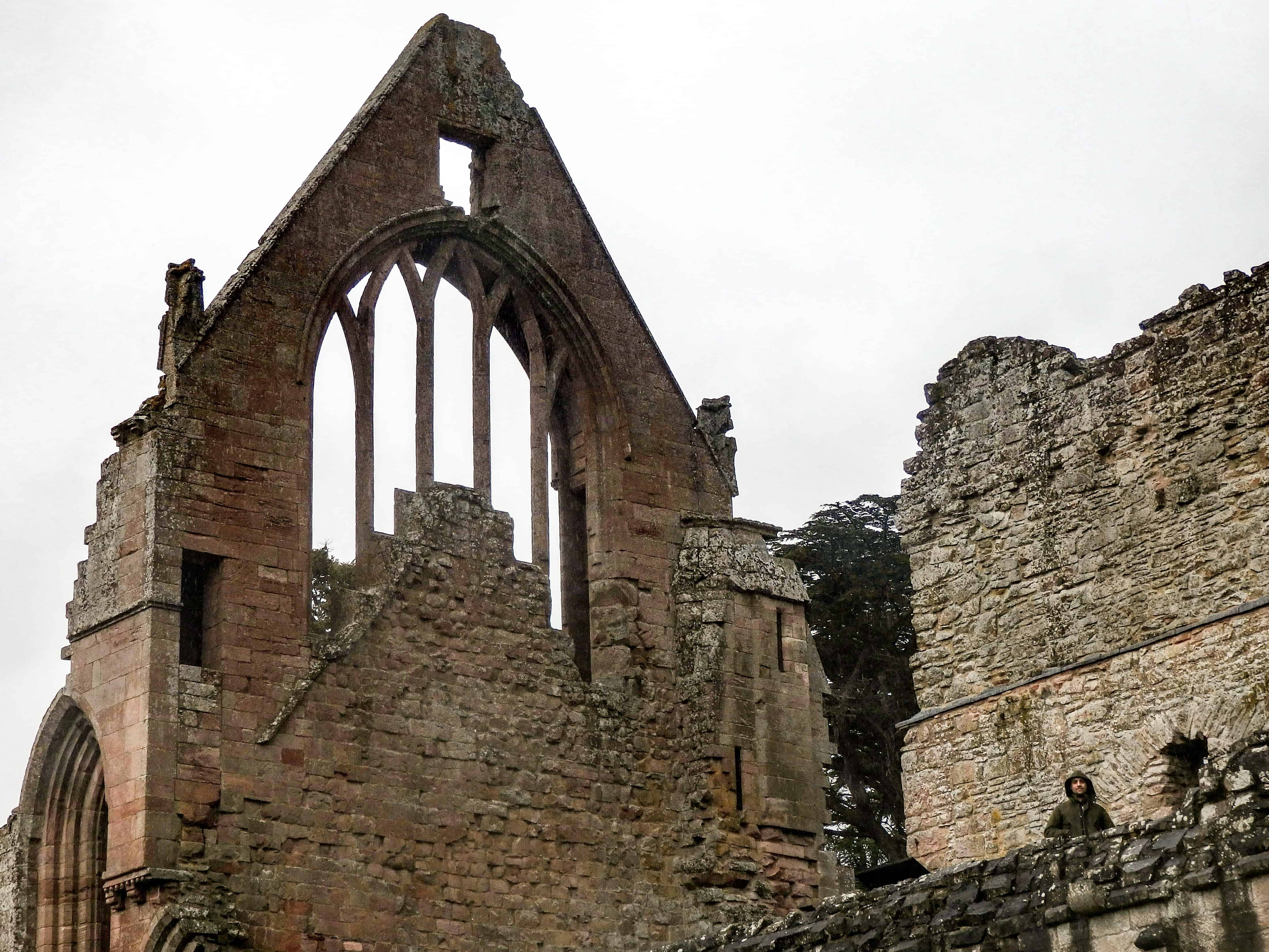
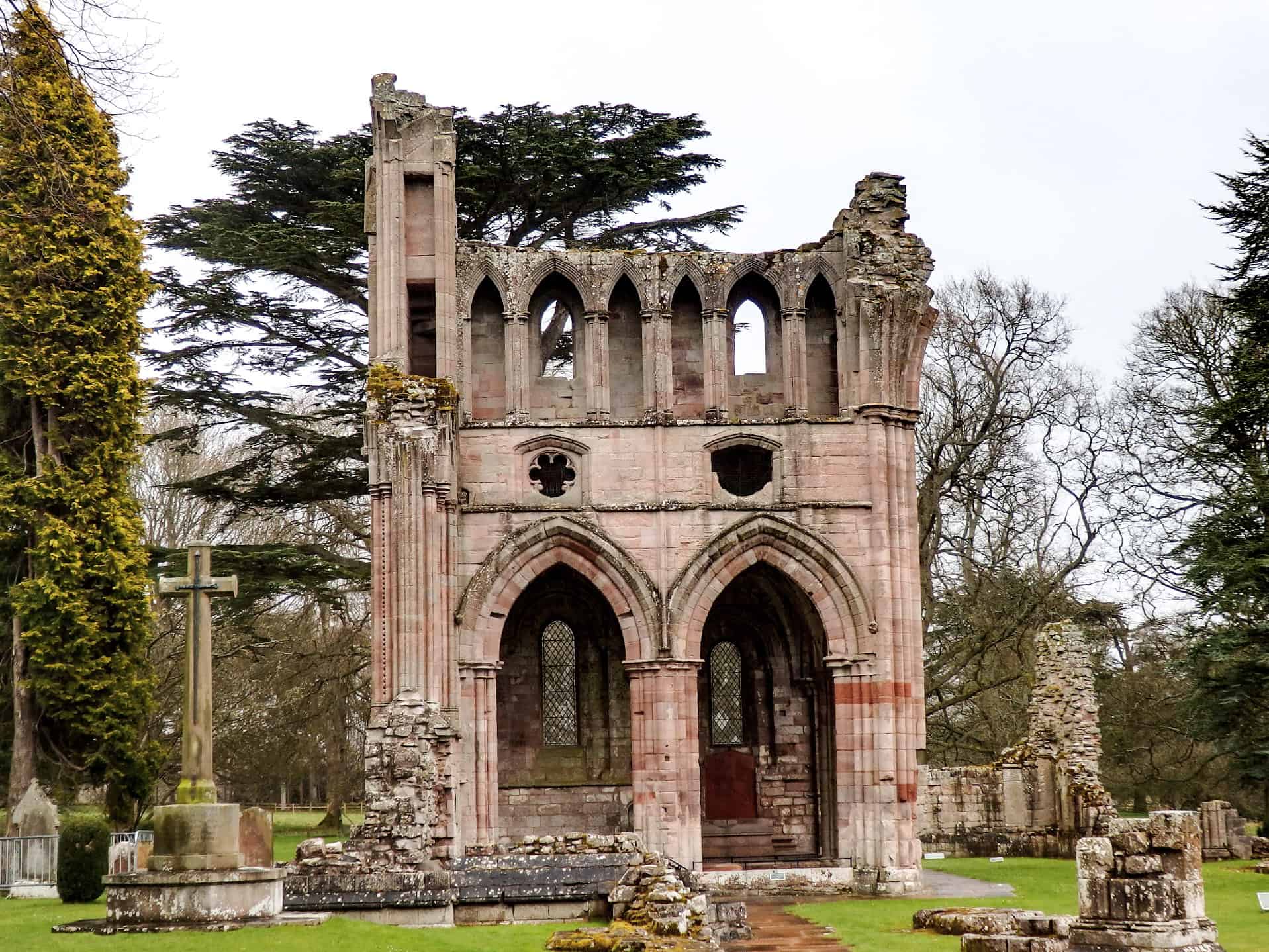
Sadly by this point the weather had become pretty dire and my photo opportunities were a little fleeting. Even through grey skies and rain the pink stone shines through.
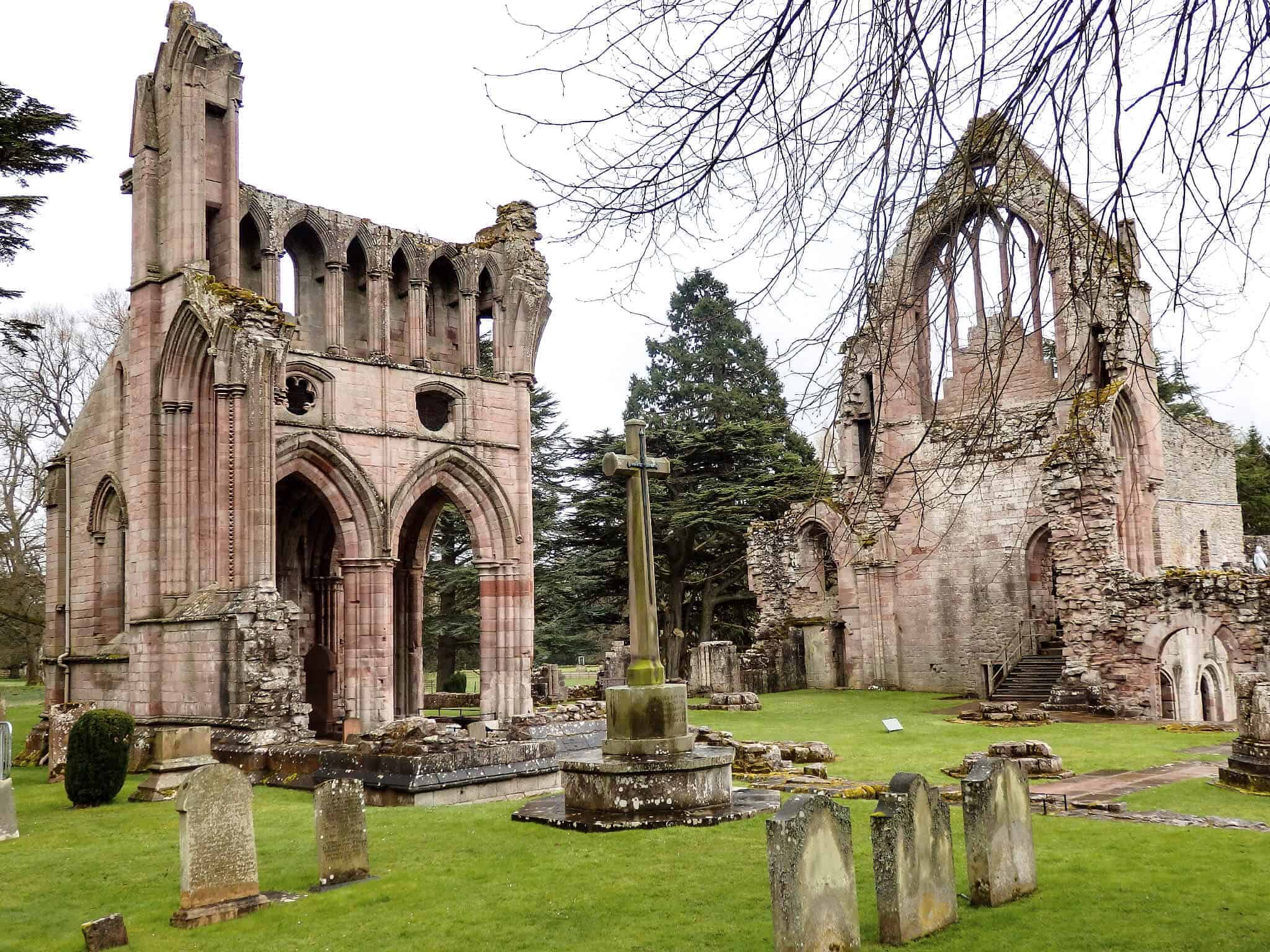
The Abbey is hidden from the river, making it feel like a secret hideaway – probably the right idea for the monks that used to cloister themselves away here – and is the final resting place of author Sir Walter Scott (10 points if you can name more than Waverley) and Field-Marshal Earl Haig who set up the Haig Poppy Fund. Both of these famous Scottish men loved the romantic surroundings of Dryburgh Abbey and I rather did too.
Visit Dryburgh Abbey
The Abbey is managed by Historic Scotland and is open all year round. Entry is £5.50 for Adults, £3.30 for children, free if you are a member (we are!). The Abbey is accessible from St Boswells by foot across the suspension footbridge. Ferryman’s buses run from Edinburgh to Galashiels, St Boswells and Jedburgh, or catch the Borders Railway to Galashiels and pick the bus up there. Really great coffee and lovely lunches are available at the Main Street Trading Company in St Boswells.
Read more – my complete guide to Midlothian and the Scottish Borders
Read more – my Midlothian and Scottish Borders Itineraries


Leave a Reply