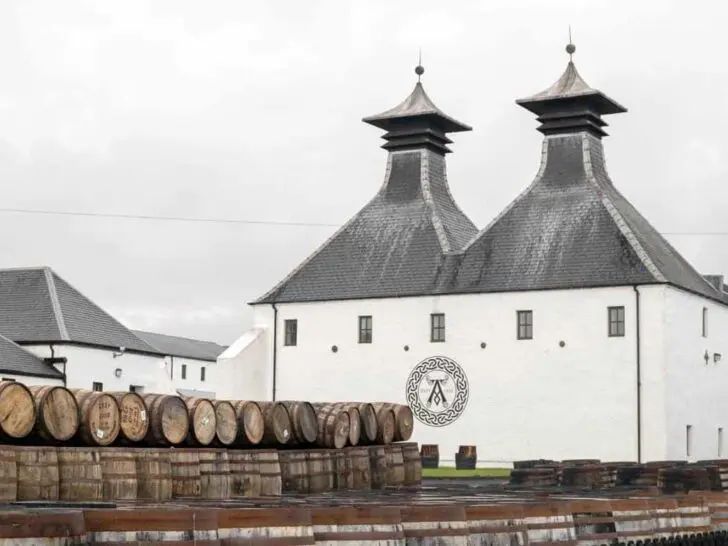


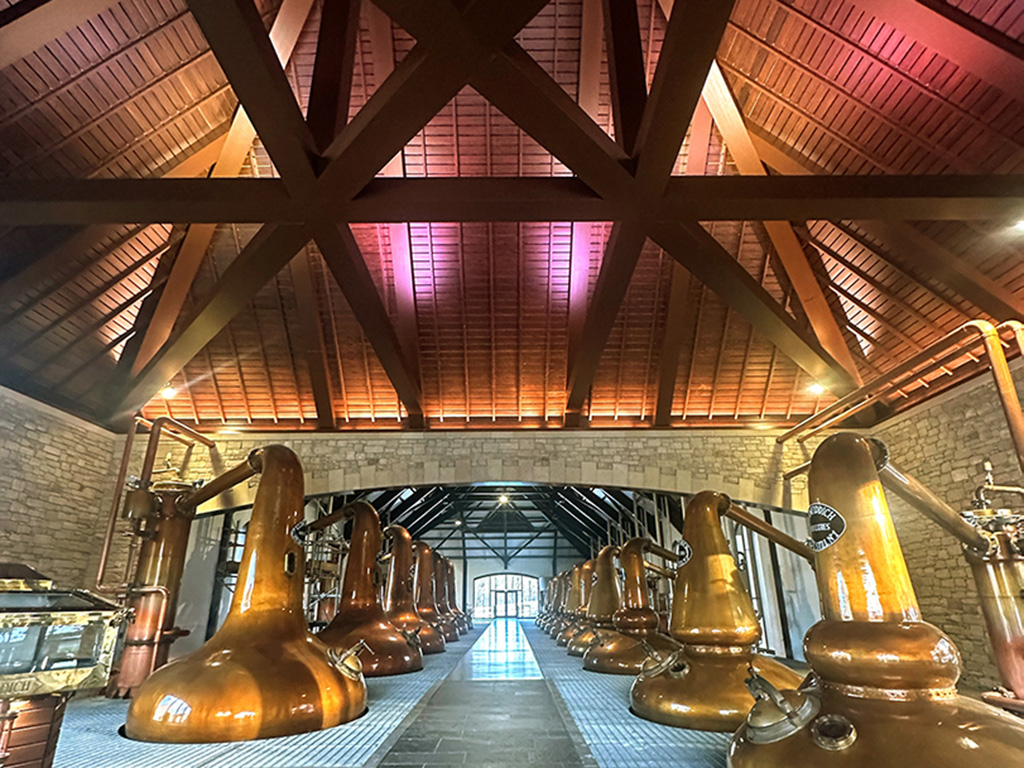
Scotland makes more whisky than anywhere else in the world. Around 140 distilleries are scattered across the country, from Bladnoch in the south to Highland Park on Orkney, all producing the same broad spirit but each making it slightly differently.
Some are 200 years old; some opened last year. Some make peated whisky so smoky it tastes like a campfire. All of them are protected by Scottish law that defines how their product is made, aged, and labelled.
This is my guide to Scottish whisky as it stands in 2026: what it is, the five regions and what makes them different, how to drink it, what to try first, and how to plan a whisky trip when you visit.
This post contains affiliate links from which I may make a small commission, at no extra cost to you.
At a glance
- Region for first-timers: Speyside (smooth, accessible, well-set-up for visitors)
- Region for peat lovers: Islay (smoky, distinctive, pilgrimage destination)
- Region for connoisseurs: Campbeltown (small, distinctive, hard to get)
- Best beginner whisky: Aberlour 12 or Glenfiddich 12
- Best peated whisky to try first: Talisker 10 or Laphroaig 10
- Best Edinburgh whisky day out: Johnnie Walker Princes Street, then the Scotch Whisky Experience
Jump to section
What is Scottish whisky?
Scottish whisky (uisge-beatha na h-Alba in Gaelic, the “water of life”) is a distilled spirit made from water, malted barley and yeast. By Scottish law, to be called Scotch Whisky it must be:
- distilled in Scotland from cereals, water and yeast
- aged in oak casks for a minimum of 3 years on Scottish soil
- bottled at a minimum of 40% ABV
- labelled with its category, age, and origin
There are four legal types of Scottish whisky:
- Single malt: made by one distillery from malted barley only. The premium category and what most people mean when they talk about “Scottish whisky.”
- Single grain: made by one distillery, using grains beyond malted barley (often wheat or maize).
- Blended malt: a blend of single malts from more than one distillery.
- Blended Scotch whisky: a blend of single malts and single grains. The biggest-selling category globally, including names like Johnnie Walker, Chivas Regal and Famous Grouse.
When Scots talk about “having a dram,” they usually mean a single malt.
A quick note on naming
Scottish whisky is spelt without an “e”. That’s reserved for Irish and American whiskey. “Scotch” is more of an export term: in Scotland you’ll mostly hear it called whisky, or just “a dram.”
The five Scottish whisky regions
Officially there are five Scotch Whisky regions, defined by the Scotch Whisky Association: Lowlands, Highlands, Speyside, Campbeltown, and Islay. Speyside sits inside the Highlands geographically but is treated as its own region because of how distinctive (and how concentrated) its production is.
Speyside: the powerhouse
Speyside is the most concentrated whisky region in Scotland, with around 50 distilleries clustered along the River Spey in Moray. It’s where most of the world’s single malt actually comes from. Glenfiddich, The Glenlivet, Macallan, Aberlour, Glenfarclas, Balvenie, Cardhu and Cragganmore are all Speyside.
The classic Speyside style is sweet, smooth and often sherry-cask matured. Apples, pears, honey, nuts and dried fruit are the typical flavour notes. It’s the easiest entry point if you’re new to whisky, and the easiest region to visit. Most of the big names cluster within a 20-mile triangle and offer excellent visitor centres.
My Speyside picks: Aberlour 12 for the classic sherried Speyside style, Glenfiddich 12 for the bestselling single malt in the world, The Balvenie DoubleWood 12 for masterful cask finishing, and Glenfarclas 105 cask strength if you want to taste Speyside with the volume turned up.
→ Read my full guide: Speyside whisky in Scotland → And: things to do in Speyside that aren’t just whisky → Where to stay: The Mash Tun in Aberlour
Islay: the whisky island
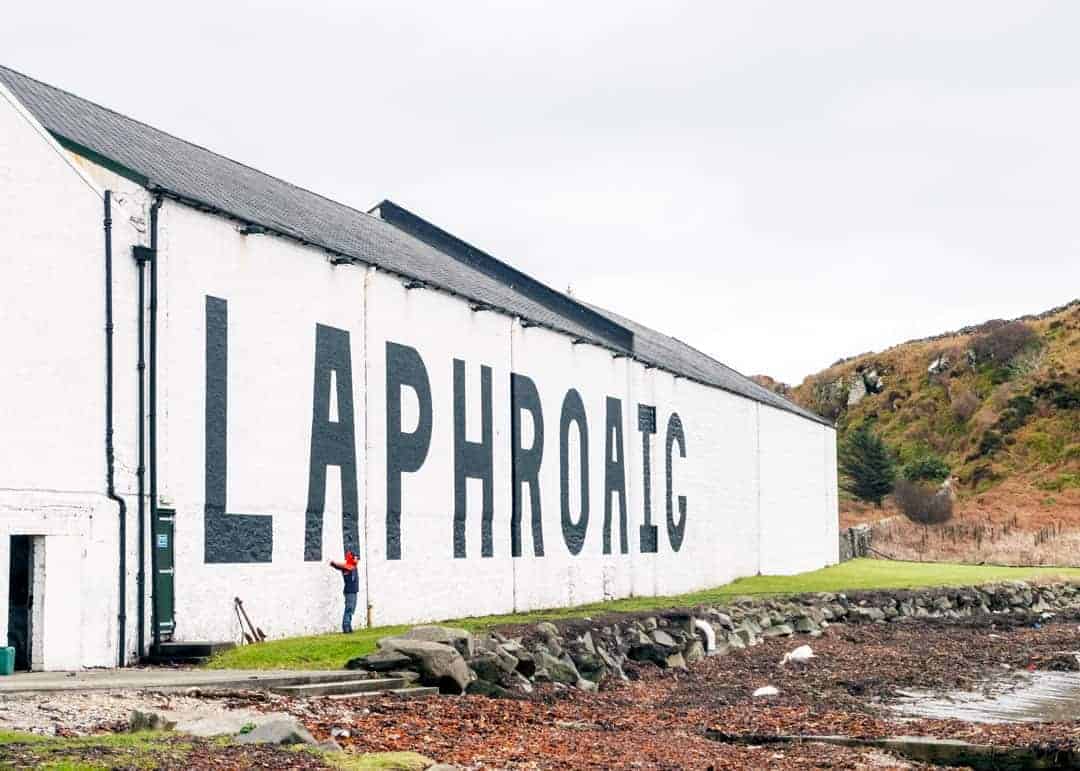
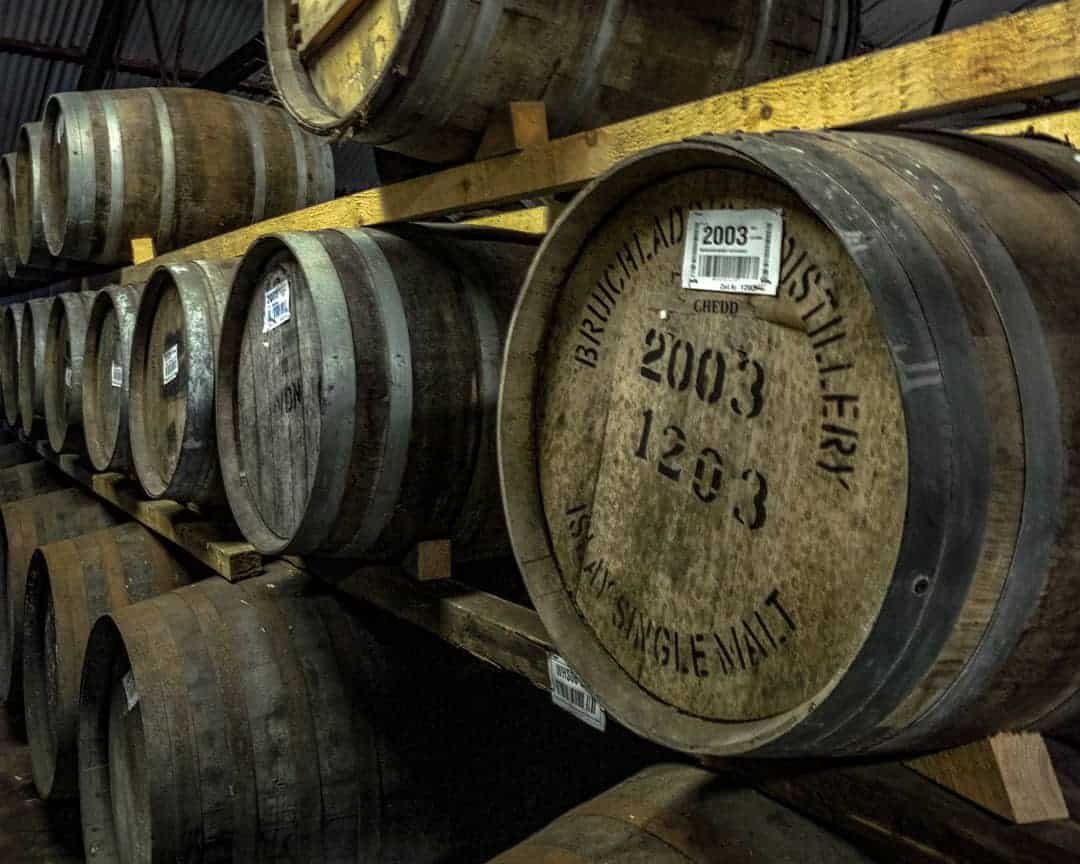
Islay (pronounced “EYE-la”) is the small Hebridean island that punches well above its weight in whisky world fame. Ten working distilleries on an island only 25 miles long, most of them producing the smoky, peated whisky the island is famous for: Ardbeg, Lagavulin, Laphroaig, Caol Ila, Bowmore, Bruichladdich, Kilchoman, Bunnahabhain, Ardnahoe and the recently reopened Port Ellen.
That smokiness comes from peat. When the barley is malted, it’s dried over a peat fire, and the smoke is absorbed into the grain. The longer the malt spends over the fire, the smokier the eventual whisky. Some Islay whiskies are intensely peated; others (notably Bunnahabhain) are not peated at all.
My Islay picks: Lagavulin 16 is the classic, sherry-rich, deeply peated, what most people think of when they think Islay. Ardbeg 10 is younger, more medicinal, intensely smoky. Bunnahabhain 12 is the unpeated counterpoint, soft and salty. Bruichladdich Classic Laddie is easy-drinking and unpeated. Laphroaig Quarter Cask is the more accessible Laphroaig.
→ Read my full guide: Islay whisky → Planning a visit? How to visit Islay
Highlands: Scotland’s biggest whisky region
The Highland region is the largest and most geographically diverse, taking in everything north of the Highland Boundary Fault except Speyside, Islay and Campbeltown. That includes the Cairngorms (Dalwhinnie), the far north (Pulteney, Old Pulteney), the west coast (Oban, Ardnamurchan, Nc’nean), and the Northern Isles (Highland Park on Orkney, Scapa).
The variety is the defining feature. Highland whiskies can be heathery, briny, sherried, oily, light, smoky or rich, depending on which corner of the region they come from. Don’t trust anyone who tries to give you a single Highland flavour profile.
My Highland picks: Dalwhinnie 15 for honey-sweet ease at altitude. Highland Park 12 for Orkney heather and balanced peat. Oban 14 for the west-coast salty-and-smooth. Nc’nean for what a brand-new organic Highland whisky can taste like. Dalmore 12 for sherried Easter Ross richness.
Lowlands: light and floral
The Lowland region is everything south of the Highland Boundary Fault, with distilleries in Fife, Edinburgh, East Lothian, Glasgow and Dumfries & Galloway. Once dominated by triple-distilled blending stock, the modern Lowland scene is having a quiet renaissance with new single malts from Kingsbarns, Lochlea, Glasgow Distillery, Holyrood and Borders Distillery.
The Lowland style is generally light, floral, citrussy and unpeated.
My Lowland picks: Auchentoshan Three Wood is the classic triple-distilled Lowlander. Kingsbarns Dream to Dram is the new wave from a beautifully-restored Fife farmhouse distillery. Lochlea makes field-to-bottle whisky on Robert Burns’ family farm.
Campbeltown: tiny but mighty
Once home to over 30 distilleries (Campbeltown was the “whisky capital of the world” in the 19th century), the Kintyre peninsula town now hosts just three: Springbank (and its sister distilleries Hazelburn and Longrow), Glen Scotia, and the small Glengyle. But what comes out of those three distilleries is some of Scotland’s most distinctive whisky: briny, oily, sometimes lightly peated, always characterful.
Springbank in particular is one of the most cult-loved distilleries in Scotland. They malt their own barley, distil onsite, and bottle without colouring or chill-filtration. Bottles are hard to find and disappear fast.
My Campbeltown picks: Springbank 10 if you can find it, Glen Scotia 15 for sherry-cask Campbeltown, Longrow for the peated Campbeltown experience.
Single malt vs blend: what’s the difference?
A single malt is whisky made by a single distillery using only water and malted barley. A blend is a mixture of single malts and grain whiskies from multiple distilleries, blended to a consistent house style.
Common assumption: single malt is good, blend is bad. The truth is more interesting. Single malts give you the character of one place and one method. Blends give you craftsmanship of a different kind: the master blender’s art of combining 20-30 different whiskies into a balanced, consistent whole. Some blends such as Johnnie Walker Blue Label are extraordinary spirits in their own right.
The honest answer: if you’re new to whisky, blends are a great place to start. They’re designed to be approachable and balanced. As you develop a palate, you’ll likely gravitate toward single malts because they let you taste the specifics of a place.
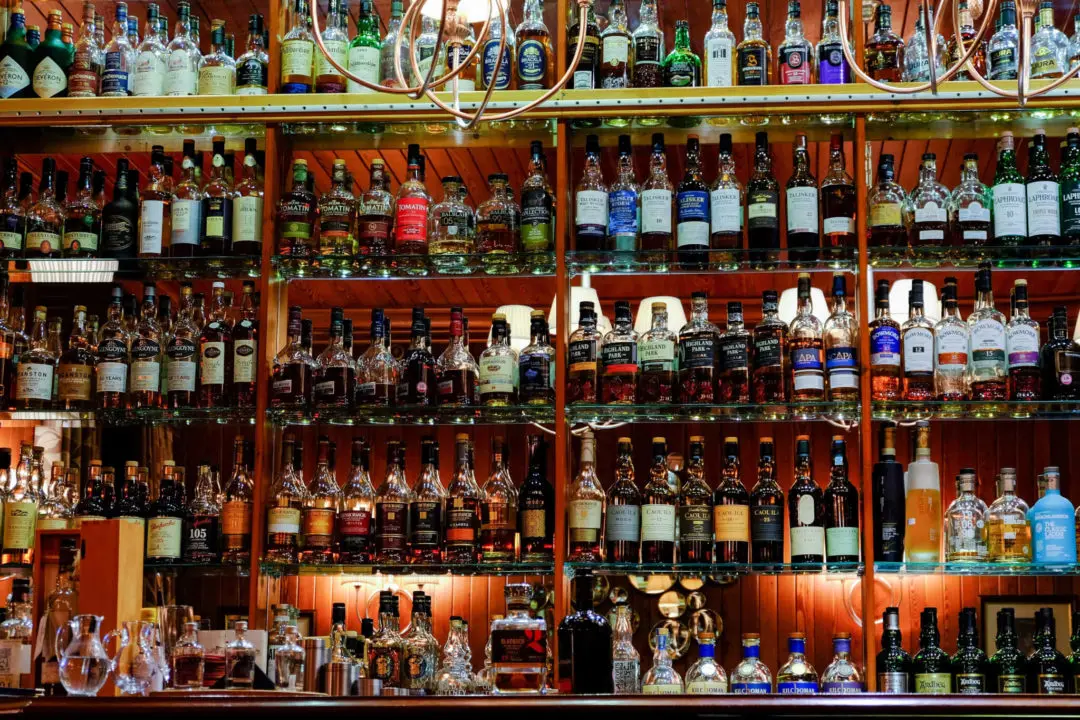
How to drink Scottish whisky
The “right” way to drink whisky is a friendly argument in Scotland that nobody has won.
For single malts, the general consensus is:
- A short pour (25-50ml) in a tulip-shaped glass that concentrates the aromas
- Neat, or with a small dash of water (a few drops, not a glug, water opens up the aromatics)
- No ice if you want to taste the whisky as the distiller intended (cold mutes flavour)
- Sip slowly. A single malt is meant to last 20-30 minutes, not five.
For blended whisky, all bets are off. Drink it neat, with ice, in a highball with soda, in a cocktail. Blends are designed to be flexible.
When ordering in a bar, you don’t need to say “dram”. Whisky comes in 25ml or 35ml measures. If you ask for “a whisky,” you’ll get the bar’s house measure, a ‘large whisky’ will get you a double.
How whisky gets its flavour
Three things shape what a whisky tastes like: the spirit (what comes off the still), the cask (what it’s aged in), and time.
The cask is where most of the flavour comes from, especially in modern Scottish whisky. The wood imparts colour, tannins, sugars and flavour compounds over years of contact with the spirit. Common cask types:
- Bourbon casks (American oak, previously used for bourbon): vanilla, coconut, caramel, honey
- Sherry casks (European oak, previously holding Oloroso or Pedro Ximénez): dried fruit, Christmas cake, nuts
- Port casks: red fruit, plum, rich sweetness
- Wine casks (Sauternes, Madeira, rum): varies, but often adds complexity to a finishing process
Many modern whiskies are “double matured” or “finished” in a second cask for the final months or years of their life. Glenfiddich 15, Balvenie DoubleWood and Bowmore 15 are well-known examples.
A note on peat and PPM
Peated whisky has been smoked during the malting process, picking up phenolic compounds from the peat fire. The intensity is measured in PPM, parts per million of phenols in the malted barley before distillation.
For context:
- An unpeated whisky has 0-5 PPM
- Highland Park sits around 20 PPM (lightly peated)
- Laphroaig is 40 PPM
- Ardbeg is 55 PPM
- Bruichladdich’s Octomore is over 300 PPM, the most heavily peated whisky in the world
PPM measures the malt, not the final whisky. The actual smokiness you taste is influenced by distillation, cask, age and finishing. Octomore at 300+ PPM tastes intensely peated, but Laphroaig at 40 PPM hits the palate just as hard because of how it’s made.
Other peated whiskies worth trying:
- Talisker 10 (peppery, maritime, Skye)
- Ledaig 10 (the peated Tobermory from Mull)
- Longrow (Campbeltown peated)
- Benromach 10 (Speyside, lightly peated, old-style)
How to plan a whisky trip in Scotland
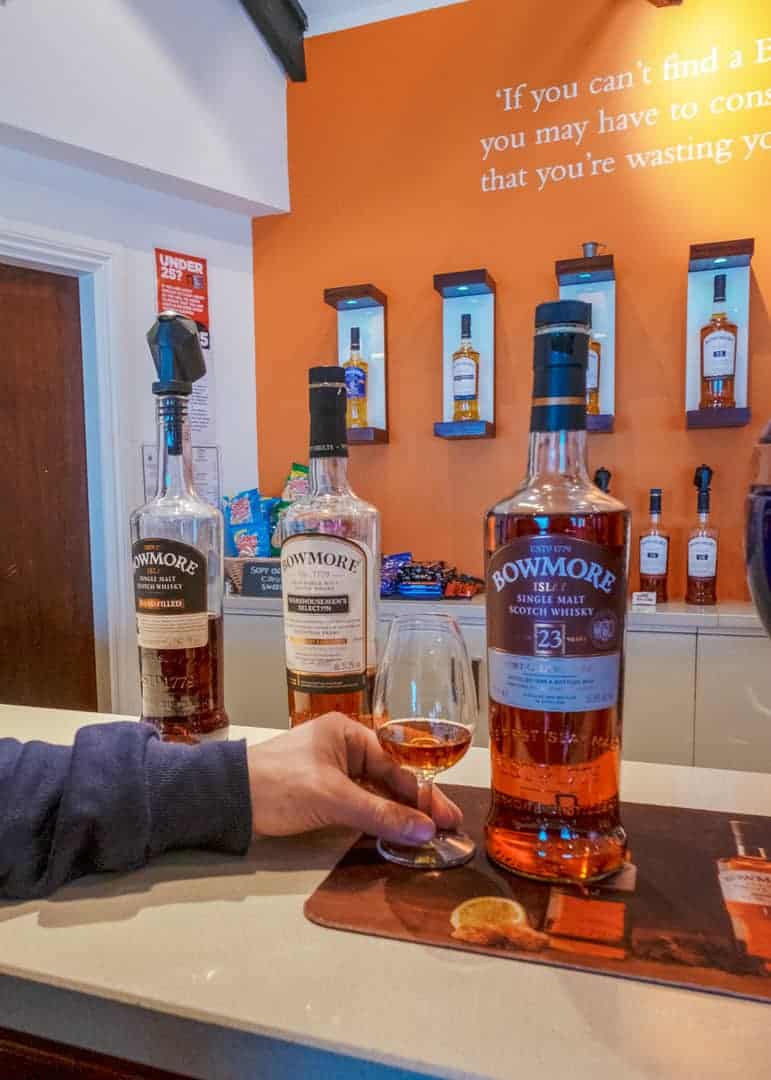
Scotland has around 140 working distilleries, of which roughly 80 are open to visitors. Tours range from £15 for a standard hour-long visit with a couple of drams to £200+ for warehouse experiences and rare cask tastings.
A few rules of thumb:
- Book ahead. Popular distilleries (Macallan, Lagavulin, Springbank) sell out weeks ahead in summer. Even smaller distilleries fill up.
- Plan for one driver. Distillery tours include drams. If you’re driving, your tour will offer a “driver’s pack” to take home.
- Don’t overstuff a day. Two tours in a day is plenty. Three is too many. Your palate stops working.
- Mix the famous with the obscure. A day with Macallan, Glenlivet, and Aberlour will give you a taste of the big boys, but a day with Macallan, Tamnavulin and Cardhu provides varieties and more distillery stories.
My favourite distillery tours:
- Nc’nean, Morvern: Scotland’s first net-zero whisky distillery, organic, brilliantly told story. £18 standard tour.
- Bunnahabhain, Islay: the most remote Islay distillery, plus the Warehouse 9 tour where you taste straight from the cask.
- Macallan, Speyside: the new £140m distillery on the Easter Elchies estate is architecturally stunning.
- Dalwhinnie, Cairngorms: Scotland’s highest distillery, plus a 45-minute tour with whisky paired with handmade Highland chocolates.
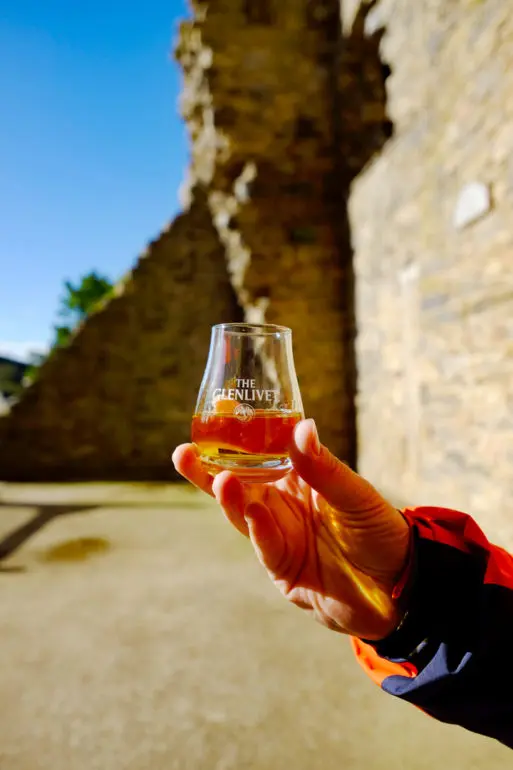
- The Glenlivet, Speyside: the founding Speyside distillery (the first to be officially licensed in 1824) with brilliant tasting tours and a beautiful glen setting. Pair with the Glenlivet Hill Trek if you want to walk it.
- Glenfiddich, Speyside: the bestselling single malt in the world, with one of the slickest visitor centres in Scotland and tours ranging from the standard Explorers Tour to the deep-dive Pioneers experience. A brilliant first distillery visit.
- Glenmorangie, Tain: the famously tall stills (the tallest in Scotland), gorgeous Easter Ross location, and a strong line-up of tours from the standard “Original” tour to the Signet experience.
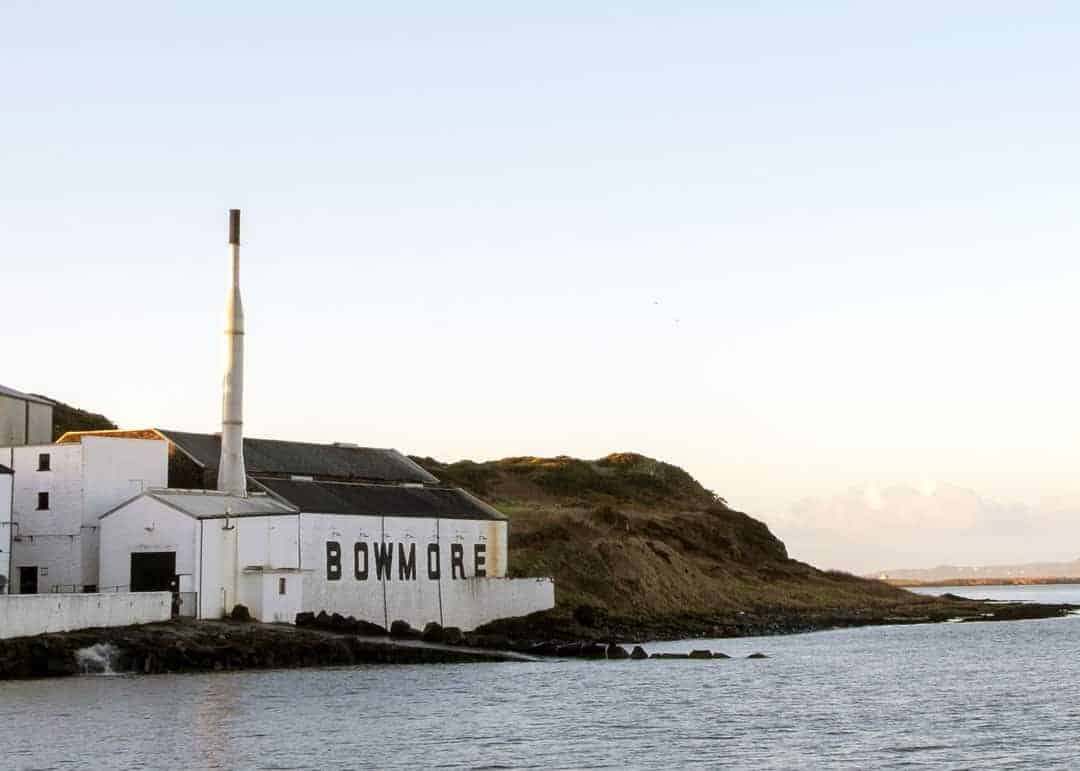
- Laphroaig, Islay: the classic Islay tour for peat lovers, with the Water to Whisky experience taking you out onto the peat bog they cut for malting. The bar overlooks the bay where the casks first arrived from America.
- Jura, Isle of Jura: getting there is half the experience.
- Raasay, Isle of Raasay: a new distillery on a tiny island accessed from Skye, with a small hotel attached.
- Springbank, Campbeltown: for the cult devotion, the floor maltings, and bottles you can only really get on-site.
→ For the latest openings, see my guide to the new Scottish distilleries to visit in 2026. → For travelling thoughtfully, see Scotland’s most sustainable whisky distilleries.
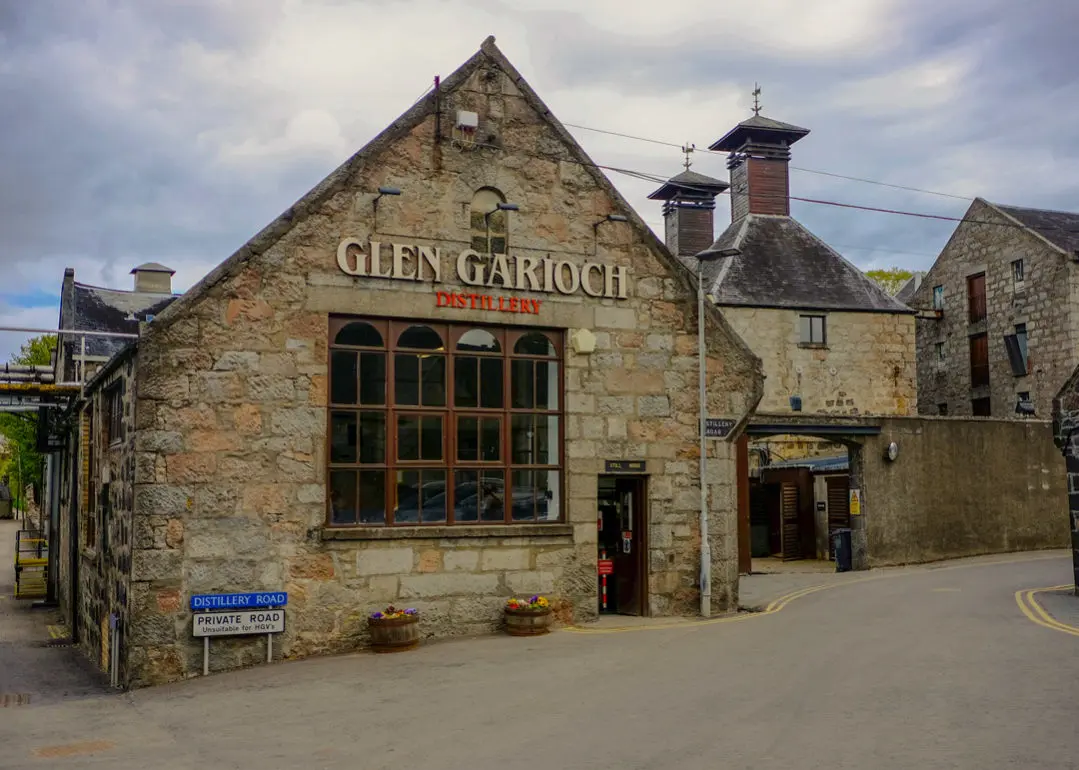
Whisky in Edinburgh
If you’re visiting Scotland but not getting out to the regions, Edinburgh has two world-class whisky visitor attractions:
- The Scotch Whisky Experience: at the top of the Royal Mile, opposite Edinburgh Castle. Houses the world’s largest collection of Scotch whisky (over 3,500 bottles) and offers tutored tastings from £20-£100. Best for a whisky introduction.
- Johnnie Walker Princes Street: a much newer attraction, focused on the world’s biggest blended whisky. The 1820 rooftop bar is one of the best in Edinburgh. Best for blending experiences and great cocktails.
The Edinburgh whisky bar scene is also excellent. The Bow Bar, the Devil’s Advocate, Whiski Bar on the Royal Mile, and the Albanach all carry several hundred whiskies between them.
Scottish whisky festivals
If you’re planning a whisky trip around a festival:
- Inverclyde Whisky Festival: January
- Fife Whisky Festival: February
- Spirit of Speyside Whisky Festival: May, across Moray
- Campbeltown Malts Festival 2026: May
- Fèis Ìle: late May/early June, Islay (Scotland’s most famous whisky festival, books out a year in advance)
- Edinburgh Whisky Festival: June
- Distilled (Spirit of Speyside): June, Elgin
- Edinburgh Whisky Fringe: August
- Dornoch Whisky Festival: October
- Glasgow Whisky Festival: November
- TB Watson Whisky Festival: November
Scottish whisky: frequently asked questions
What is the best Scottish whisky for a beginner?
Start with a Speyside single malt. Aberlour 12 and Glenfiddich 12 are both classic, smooth, and easy to drink without water. If you want something more affordable, Monkey Shoulder is a brilliantly balanced blended malt around the £25-£30 mark.
What is the difference between single malt and blended whisky?
A single malt is made by one distillery from malted barley only. A blend is a mix of malts (from multiple distilleries) and grain whisky, balanced to a consistent house style. Single malts express the character of one place; blends express the craftsmanship of the blender. Neither is “better.” Top-end blends like Compass Box and Johnnie Walker Blue Label are extraordinary in their own right.
How many whisky regions are there in Scotland?
Five officially: Lowlands, Highlands, Speyside, Campbeltown and Islay. Speyside technically sits within the Highlands geographically but is treated as its own region because of how many distilleries cluster around the River Spey.
What does PPM mean on a whisky label?
PPM stands for parts per million of phenols in the malted barley before distillation, and is used to measure how peated a whisky is. Unpeated whiskies sit at 0-5 PPM. Laphroaig at 40, Ardbeg at 55, and Bruichladdich’s Octomore at over 300 PPM, the highest of any commercial whisky.
Should you add water to whisky?
A small amount of water (a few drops) can open up the aromatics in a single malt by lowering the alcohol below 30% ABV. Whisky bars usually serve water on the side. Ice mutes flavour and is generally avoided with single malts, though it’s perfectly fine in a blend or cocktail.
What's the best Scottish whisky distillery to visit?
It depends what you want. Macallan for the architecture and the famous name. Nc’nean for the sustainability story. Bunnahabhain for the most remote setting. Springbank for the cult-status experience and the floor maltings. Lagavulin or Laphroaig for the classic Islay smoke. For first-time visitors, my pick is Glenfiddich (excellent visitor centre, in beautiful Speyside) or Dalwhinnie (Scotland’s highest distillery, paired tastings with Highland chocolates).
Is Scotch whisky better than Irish whiskey?
It depends entirely on what you like. Scotch is generally heavier-bodied, sometimes peated, with more cask influence. Irish whiskey is typically lighter, smoother and unpeated. Different traditions, different methods, different products. The “better” question is the wrong one to ask.
How long does Scottish whisky have to be aged?
A minimum of 3 years in oak casks on Scottish soil, by law. Most distilleries release their entry-level single malt at 10 or 12 years old. Older whiskies (18, 25, 30 year old) are more expensive but not necessarily better. Older isn’t always better, just different.
Slàinte mhath!
Love from Scotland x

Leave a Reply