There’s no single best time to visit Scotland — there’s a best time for what you want to do. Long island days in summer, golden forests in autumn, snowy Highlands in winter, and the quiet, blossoming country of spring all make for completely different trips.
The short answer: the best all-round time to visit Scotland is late spring and early autumn — May, June and September – for long days, lighter crowds and fewer midges. Choose summer for islands, beaches and festivals; winter for snow, Hogmanay and the quietest landscapes.
This page is a quick season-by-season overview to help you choose. For the granular detail — the best place to go in each individual month – see my best time to visit Scotland: month-by-month guide.
Scotland’s seasons at a glance
| Season | Months | Best for | Weather & daylight | Crowds & midges |
|---|---|---|---|---|
| Spring | Mar–May | Gardens, wildlife, quiet hikes, islands reopening | Cool, driest on the east coast, ~12–16 hrs light | Quiet (busier at Easter); no midges yet |
| Summer | Jun–Aug | Beaches, island-hopping, festivals, long days | Warmest (15–19°C), up to 18 hrs light | Peak crowds; peak midges Jul–Aug |
| Autumn | Sep–Nov | Autumn colour, Highland Games, the deer rut | Cooler (6–15°C), wetter, ~8–13 hrs | Quieter; midges fading |
| Winter | Dec–Feb | Snow sports, Hogmanay, dark skies, cosy nights | Cold, snow in the hills, ~7–9 hrs light | Quiet (cities busy at New Year); no midges |
Spring in Scotland (March–May)
Spring is when Scotland wakes up – daffodils and bluebells, lambs in the fields, ospreys returning, and attractions reopening after winter. The east coast sees some of its driest weather of the year, the days stretch out fast, and the midges haven’t arrived. It’s my pick for gardens, wildlife and quiet hikes before the summer crowds.
Read more: Spring in Scotland
Summer in Scotland (June–August)
Summer brings the longest days – up to 18 hours of daylight in the north – the warmest weather, and the full swing of festivals and island ferries. It’s the best season for the beaches of the Hebrides and for island-hopping. The trade-offs: peak crowds, peak prices, and peak midges in July and August, so head for the breezier coasts and pack a head net.
Read more: Summer in Scotland
Autumn in Scotland (September–November)
Autumn is, for my money, the most beautiful season – Perthshire’s “Big Tree Country” and the Trossachs blaze gold and copper, the Highland Games season runs into September, and you might hear the red deer rut echoing across the glens. Crowds thin out, the midges fade, and the light turns soft and low.
Read more: Autumn in Scotland
Winter in Scotland (December–February)
Winter is dramatic and quiet. The Cairngorms turn into a proper snow-sports playground, Edinburgh fills with Christmas markets and Hogmanay, and on a clear, dark night you might even catch the Northern Lights. Days are short and many rural businesses close, so plan around the daylight and embrace the còsagach cosiness.
Read more: Winter in Scotland
Want the month-by-month detail?
This is the big-picture view. For exactly where to go and what to do in each of the twelve months — Skye in March, the East Neuk in May, Assynt in June, Perthshire in October — see my full best time to visit Scotland: month-by-month guide.
Five things that affect when to visit Scotland
Daylight hours
Scotland sits high in the northern hemisphere and daylight swings dramatically through the year. Around midsummer (21 June) you get about 18 hours of daylight in central Scotland and almost no full darkness in the far north. Around midwinter (21 December) it drops to just 6-7 hours, less in the far north.
Weather
The west coast is wetter than the east. Edinburgh and the east coast typically see around 130-150 rain days a year; the west Highlands get 200-250. May is usually the driest month across most of Scotland, followed by June, April and September. October through January are the wettest. August can be surprsingly wet and stormy. Pack layers and waterproofs whenever you visit.
Midges
Scotland’s biting midges are active from late May through early September, peaking in July and August in the west Highlands. If you’re sensitive to bites, plan around them: visit the drier east coast or the cities, time outdoor activities for windy or cool conditions, and read my Scottish midge survival guide before you come.
Crowds and school holidays
Scotland’s busiest tourism windows are: Scottish Easter (early April, dates vary), Scottish summer holidays (late June to mid-August), the Edinburgh Festival (August), and October half-term (mid-October). English school holidays differ slightly, so cross-border visitors should check both calendars. November to February are the quietest months by a long way.
Prices
Accommodation is heavily seasonal. Summer prices are typically 40-60% higher than winter rates. The Edinburgh Festival and Hogmanay push prices to absolute peaks. May, late September and early October offer the best balance of decent weather and shoulder-season pricing. November, January and February are the cheapest months.
My seasonal guides to Scotland
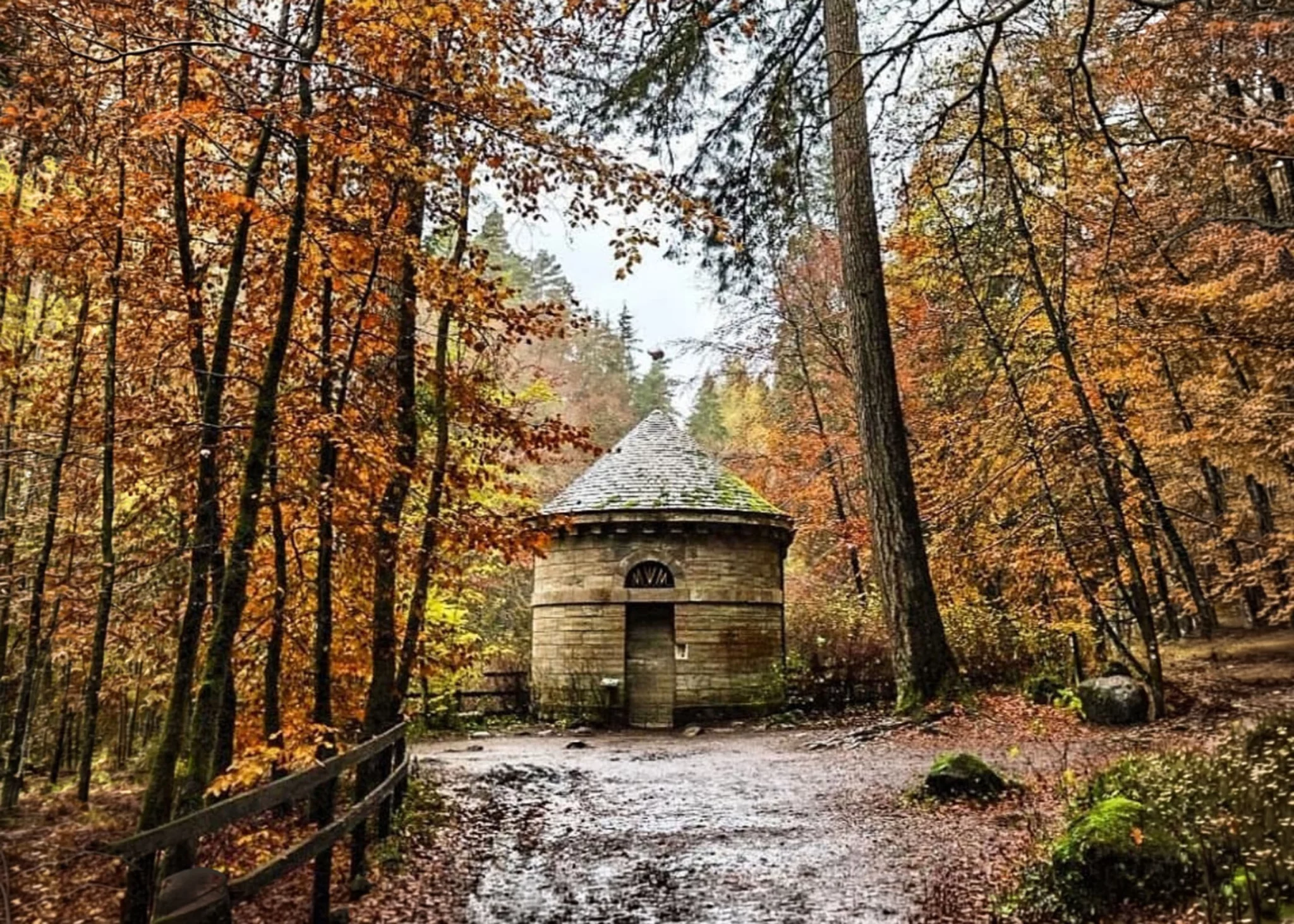
Scotland in October: 10 brilliant things to do in Scotland this month
October is Scotland’s most beautiful month – peak autumn colour, 80,000 wild geese, the Enchanted Forest and Halloween….
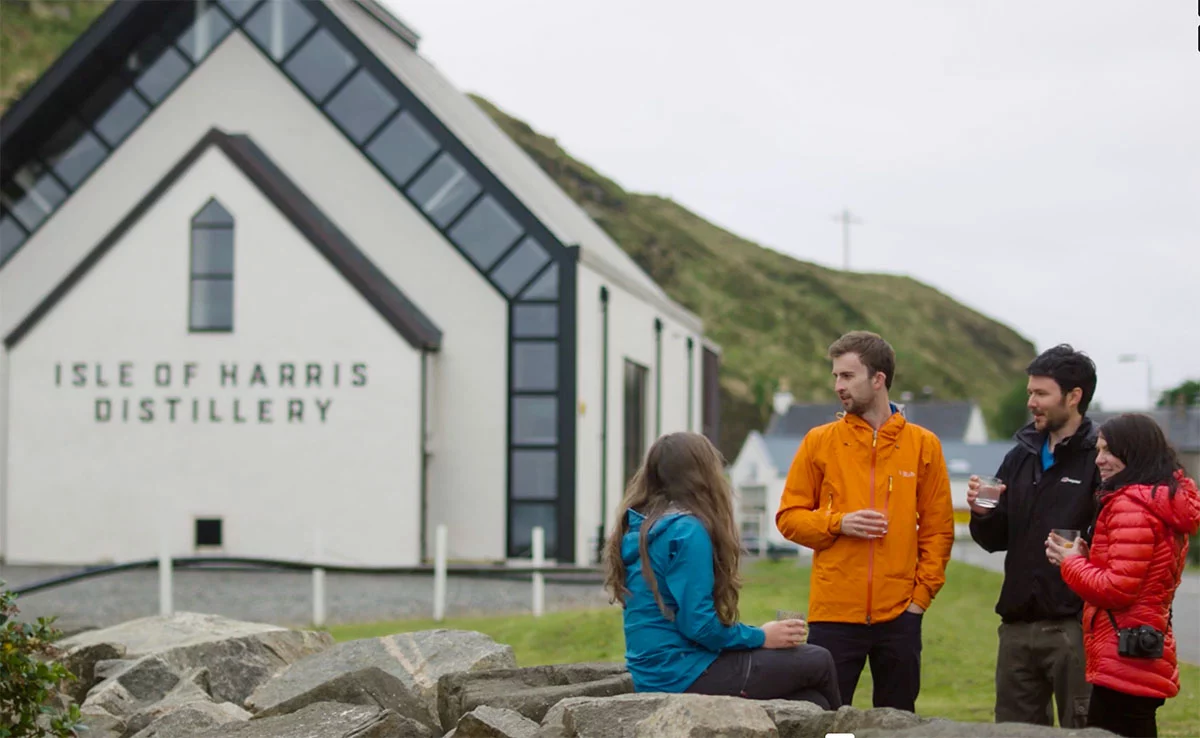
Scotland in September: 10 brilliant reasons you should visit Scotland this month
September is secretly Scotland’s best month to visit, the midges have left and the weather can be great….

Scotland in August: 10 brilliant reasons you should visit this month (that aren’t the Fringe Festival)
August in Scotland is about so much more than Edinburgh. From Meteor Parties to Viking Festivals, Common Ridings…
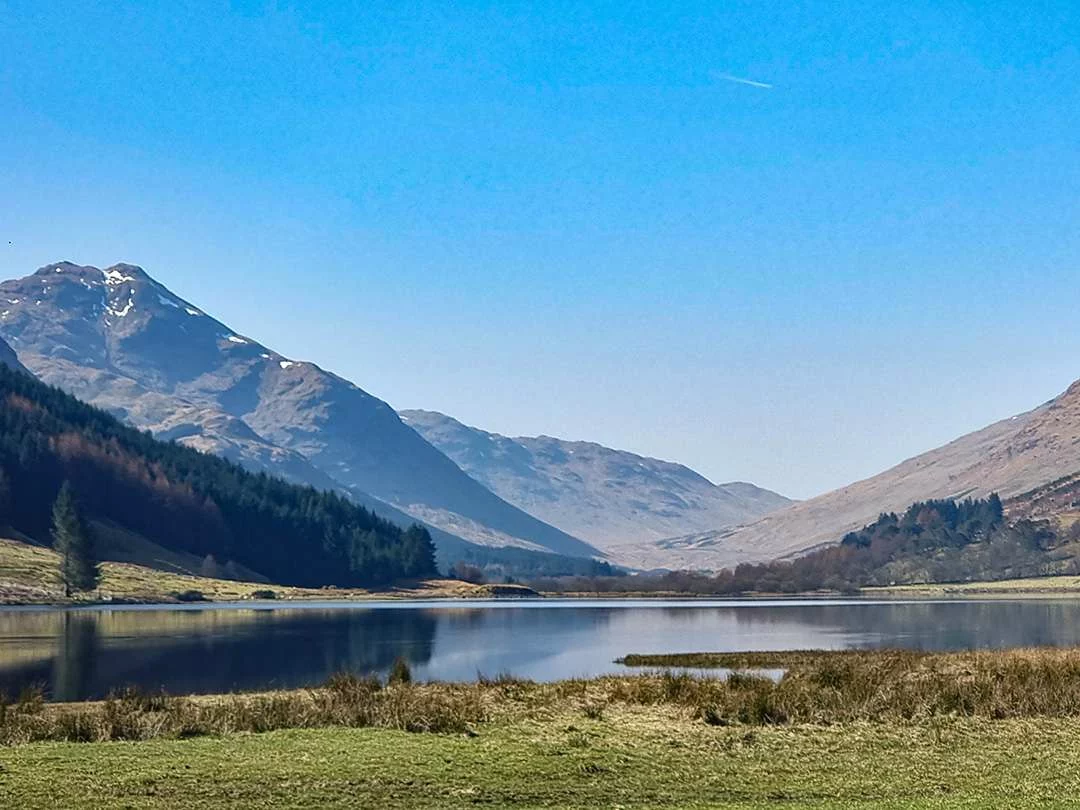
Scotland in spring: the complete guide to visiting March–May
Spring in Scotland is one of the best times to visit. Here’s why you should plan a trip…
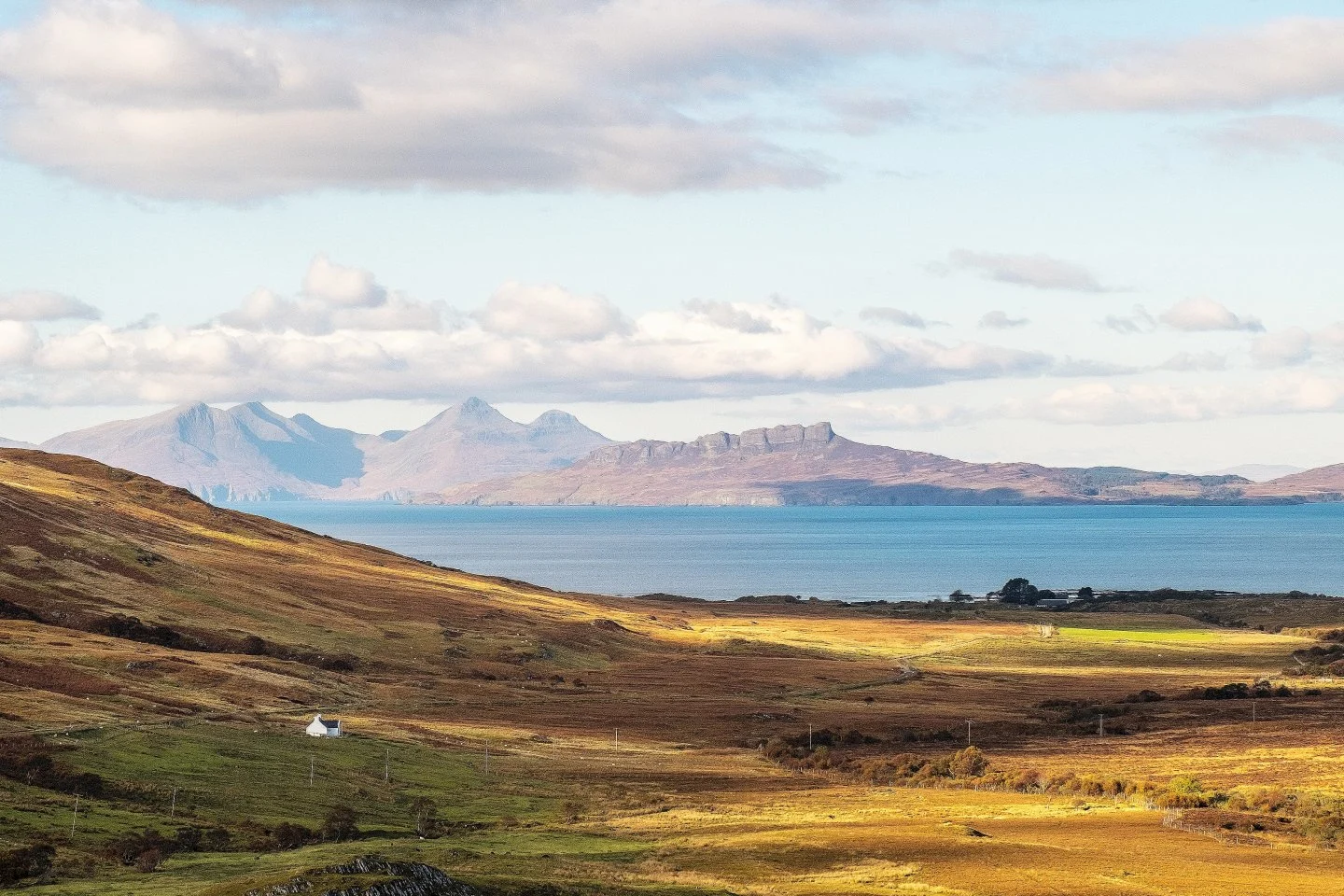
Where to go in Scotland in summer when you want to avoid the crowds
Scotland in summer is magical, if you know where to go. Here’s my guide to 10 hidden gems,…
Best time to visit Scotland: a month-by-month guide
Discover the best time to visit Scotland with a month-by-month guide to the most beautiful places, from winter…
When to visit Scotland: frequently asked questions
What is the best month to visit Scotland?
May, June and September are the three best all-round months. They balance decent weather, long enough days, fewer crowds than peak summer, and reasonable accommodation prices. May has the driest weather, June the longest days, and September the autumn colour. For specific monthly recommendations, see my month-by-month guide.
Spring or autumn: which is better in Scotland?
Both are excellent. Spring (especially May) is better for wildflowers, lambs, longer days getting brighter, and the Highlands without the midges. Autumn (September and early October) is better for autumn colour, settled weather, fewer crowds and Highland Games. My personal preference is autumn for the colours; spring wins for the energy and renewal.
Is Scotland good to visit in winter?
Yes, if you plan for it. Daylight is short (6-7 hours in December), some attractions close, and ferry travel can be disrupted. But Edinburgh is magical in December, the Highlands are spectacular under snow, prices are at their lowest, and you’ll often have famous attractions to yourself. Hogmanay is one of the world’s great street parties.
When is midge season in Scotland?
Scottish midges are typically active from late May to early September, peaking in July and August in the west Highlands. Cold, breezy weather keeps them at bay. For full advice on avoiding them, see my Scottish midge survival guide.
What is the cheapest time to visit Scotland?
November and February. Accommodation prices can be 40-60% lower than summer peaks, particularly midweek. December (excluding the Christmas/Hogmanay window) and January are also significantly cheaper than summer. Avoid the Edinburgh Festival (August) and Hogmanay (31 December) for the lowest prices.
When is the warmest month in Scotland?
July is usually the warmest, with average highs of 17-19°C and occasional days reaching the mid-20s. August is close behind. Even in summer, evenings can be cool, and the far north and Highlands run a few degrees cooler than the central belt and east coast.
Love from Scotland x