

Want to discover your Scottish clan or visit your ancestors’ historic lands? This is a travel guide to 12 of the most famous Scottish clans, where to visit their ancestral country, and which of them you have already met in Outlander and the new prequel Blood of My Blood.
This post contains affiliate links. Thank you for supporting my site.
(Click on the link to jump to the complete guide)
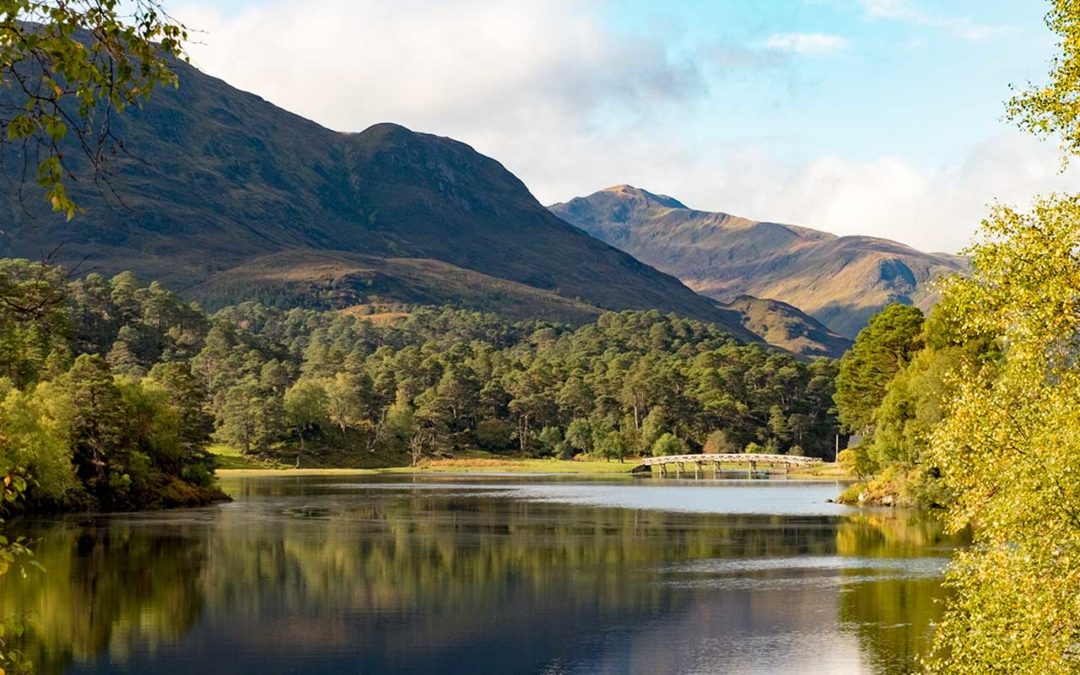
- Chisholm – For Clan Chisholm visit Glen Affric and Glen Strathfarrar – two of the most beautiful glens in Scotland.
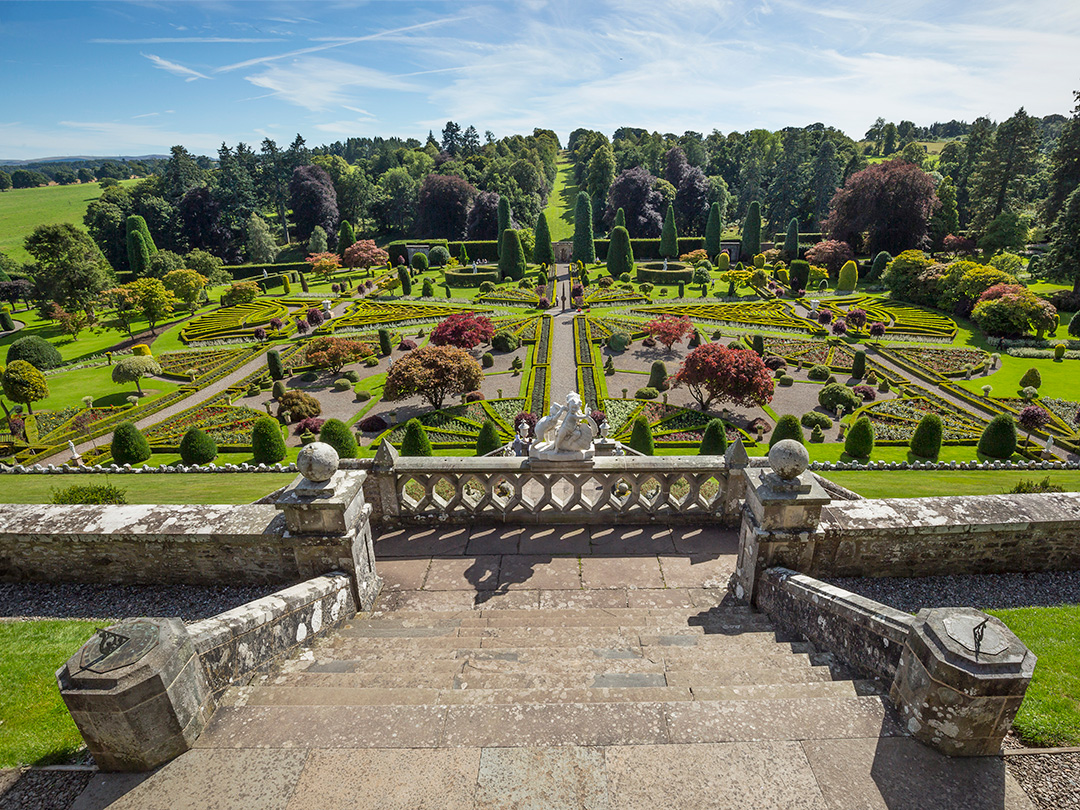
- Drummond – To visit Clan Drummond discover the Strathearn region of Highland Perthshire and visit the spectacular Drummond Castle Gardens.
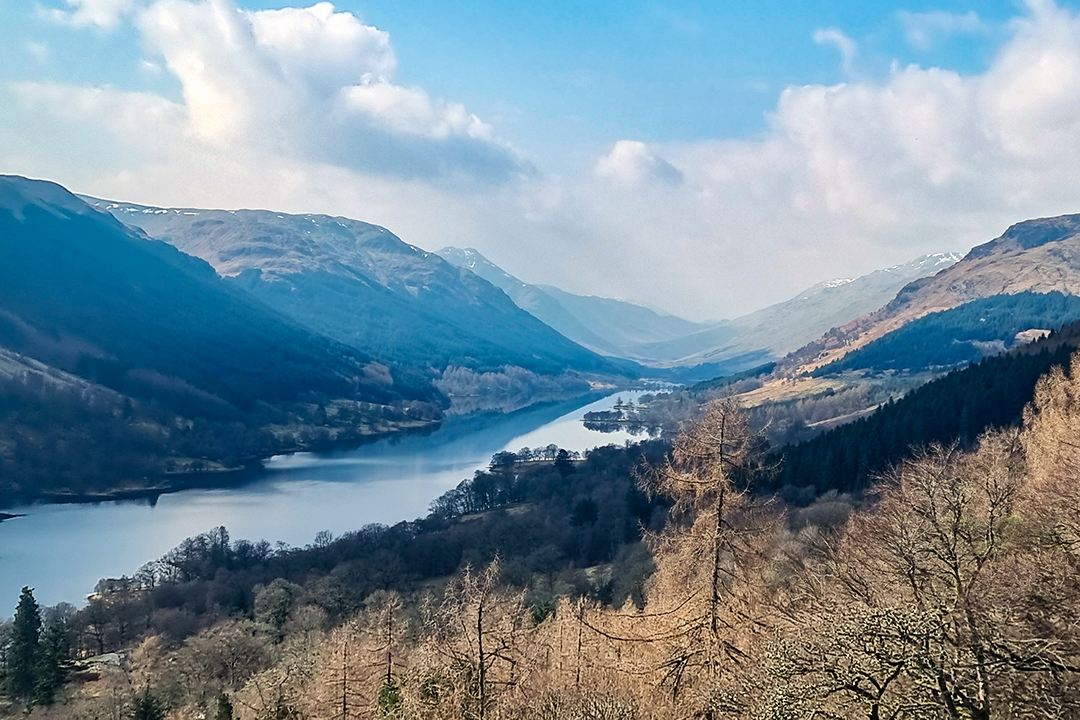
- MacGregor – To explore the lands of Clan MacGregor visit the beautiful hills and woodlands of The Trossachs, Rob Roys grave at Balqhidder and the stunning Loch Voil.
- Campbell – For Clan Campbell head to Argyll’s county town of Inveraray and visit Inveraray Castle – the home of the Dukes of Argyll.
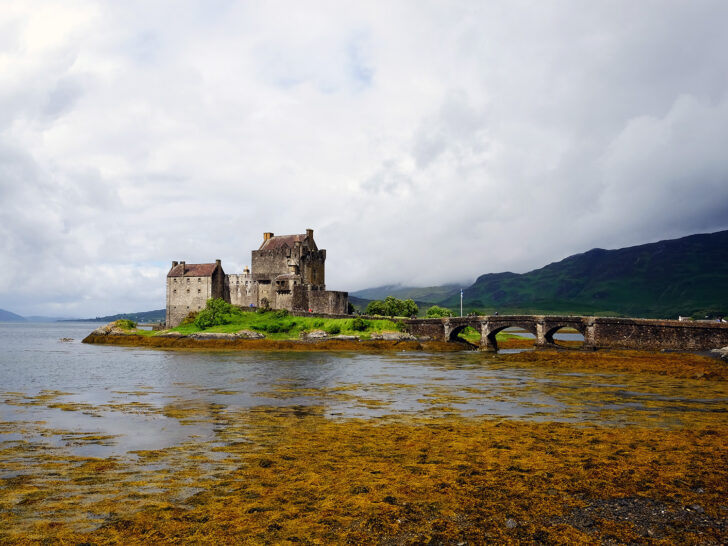
- MacKenzie – To visit Clan Mackenzie explore the mountains of Kintail and visit Eilean Donan Castle, one of Scotland’s most iconic castles.
- Fraser – For Clan Fraser discover the pretty town of Beauly, the home of this clan made famous by the TV series Outlander.
- Cameron – The lands of Clan Cameron are around Fort William, Achnagarry and Lochaber – why not climb Ben Nevis?
- MacLean – For Clan MacLeod visit the Isle of Skye and the tiny isle of Raasay.
- Bruce – The home of Clan Bruce is in Clackmannanshire and Dunfermline – including the burial place of King Robert the Bruce.
- MacLean – For Clan Maclean visit the Isle of Mull, Coll and the West Highland Peninsulas to visit Clan Maclean.
- Grant – For Clan Grant visit Speyside and the Cairngorm’s National Park.
- Sutherland – For Clan Sutherland visit Dunrobin Castle, Golspie and Dornoch.
The Scottish clans, in brief
The word “clan” comes from the Gaelic “clann,” meaning “children”.
A clan was an extended family group held together by loyalty to a chief, often connected by blood but also by shared land, tradition and tartan. Clansfolk took the chief’s surname (or a recognised “sept” surname linked to the clan) and were expected to provide military service for the chief during times of war.
The Scottish clan system ran from around 1100 until the aftermath of the Battle of Culloden in 1746, when the British government broke the clans by law.
The clans were strongest in the Highlands, but plenty of Lowland clans existed too, including Bruce, Hamilton, Douglas, Kerr and Scott.
After Culloden, the Heritable Jurisdictions Act of 1747 stripped clan chiefs of their feudal powers, the Disarming Act banned the bearing of arms, and the Act of Proscription banned the wearing of Highland dress and the playing of bagpipes.
Clan chiefs became simple landowners, and many of them later turned their tenants off the land in the Highland Clearances. The clans never recovered their political power, but the cultural memory of them runs deep, both in Scotland and for Scots around the world.
How to find your Scottish clan
Do you have Scottish clan? Just visit the Scottish surname search tool.
Remember that even if you don’t have a name such as Campbell, Mackenzie or Stuart, you may still be connected to a clan. Many clans have accepted alternative surnames or ‘septs’ for example, the Drummond clan was started by a Begg!
Don’t forget to check both your paternal and maternal family names.
If you want to discover more about your Scottish clan or how to visit your ancestors’ historic lands, here is my step by step guide to planing a Scottish ancestry trip.
Read on to learn how to visit 11 of the most famous clan lands.
Clan Chisholm: Glen Affric and Strathglass
Originally from the Scottish Borders (via Normandy), Clan Chisholm gained control of the glens around Beauly when Alexander Chisholm married the Lady of Erchless in 1359.
The Chisholms were most famous for cattle raiding. The clan history claims they once stole 56 oxen, 60 cows, 300 sheep, 80 swine and 15 horses from Clan Rose in a single raid.
The Chisholm lands centre on Glen Affric, west of Inverness. Here is how to discover Clan Chisholm.
- Explore Glen Affric. Walk the Dog Falls (2 miles, 1.25 hours) and the Viewpoint Trail (1.45 miles, 1 hour).
- Stay at Erchless Castle. Now private holiday accommodation, you can stay in the original Chisholm clan castle. Book Erchlass Castle.
- Clan Chisholm burial ground. Opposite the castle is the Erchless burial ground, which contains many graves of the clan chiefs.
- Find the Chisholm Stone at Loch Mullardoch. At the head of Glen Cannich is a stone marking a meeting point for Chisholms from Strathglass and Glen Cannich.
- Visit the Struy Stone. A memorial to William Chisholm, standard bearer of the chief of Clan Chisholm, who supported the Jacobite cause and died at Culloden.
Read more – how to visit Glen Affric.
Stay at: Eagle Brae log cabins, Caledonian Glamping near Cannich, Craskie Glamping Pods in Cannich Glen, The Boathouse at Tomich, or East Craigdhu Cow Byre near Erchless Castle.
Learn more about the Clan Chisholm Society.
Clan Drummond: Strathearn and Drummond Castle Gardens
Originally from the village of Drymen near Stirling, the first chief of Clan Drummond was Malcolm Beg, who took the name Drummond around 1250.
Staunch supporters of the Royalist and Jacobite cause, the clan was gifted its extensive lands in Strathearn in Perthshire by Robert the Bruce after fighting at the Battle of Bannockburn in 1314.
Here is how to discover Clan Drummond.
- Visit Strathearn. The River Earn runs from Loch Earn to the Firth of Tay south of Perth. Along the strath are the villages of St Fillans, Comrie, Crieff and Auchterarder.
- Drummond Castle Gardens. Drummond Castle was built by John, 1st Lord Drummond, around 1490 on the Gask Ridge near Crieff. The 17th-century formal gardens are some of the most spectacular in Europe and are open to the public from May to October. The castle’s tower house and mansion are private.
Read more – how to visit Perthshire.
Stay at – The Taybank Hotel, Dunkeld, a stylish boutique hotel; Dundurn Mill with views and a private river; Fairness Cottage near Comrie; or Comrie Croft.
In Outlander, Drummond Castle Gardens doubled as the gardens of Versailles in Outlander season two, where Claire confronts Black Jack Randall at the French court. See more in my full guide to Outlander filming locations.
Clan MacGregor: Balquhidder and Loch Voil
Most known for being rabble-rousers against other clans, the MacGregors made stealing lands, fighting rivals and raiding cattle into a way of life, especially against Clan Campbell.
The Battle of Glen Fruin between Clan MacGregor and Clan Colquhoun led to the clan’s name being abolished by James VI of Scotland in April 1603, and the hanging of Alistair MacGregor and eleven of his chieftains at the Mercat Cross in Edinburgh in 1604.
Clan MacGregor’s most famous son is the outlaw Rob Roy MacGregor, born in 1671, whose exploits were turned into folk legend by Sir Walter Scott.
The clan was persecuted until 1774, when the laws against them were repealed.
Here is how to discover Clan MacGregor.
- Visit Rob Roy MacGregor’s grave. At the head of Loch Voil is the village of Balquhidder, where Rob Roy is buried in the churchyard.
- Explore Loch Voil. The lands around Loch Voil were originally Clan MacLaren country and became a battleground for ownership with Clan MacGregor. Climb Creag an Tuirc above the village for views across the MacGregor lands.
- Explore the Trossachs and the MacGregor glens. The clan was based across Glen Dochart, Glen Orchy, Glen Lyon, Glen Strae and Glen Gyle. Drive to the end of Scotland’s longest glen, Glen Lyon, to visit the Post Office and Tea Room.
Read more – how to visit Loch Lomond and the Trossachs.
Stay at Mhor 84 and its big sister Monachyle Mhor, at Balquhidder, are vintage chic boutique hotels with a fantastic welcome.
Learn more about the Clan Gregor Society.
In Blood of My Blood, Rob Roy MacGregor is a key character in the prequel, attending the Jacobite meeting at Lady Nairn’s home (filmed at Bannockburn House) in season one.
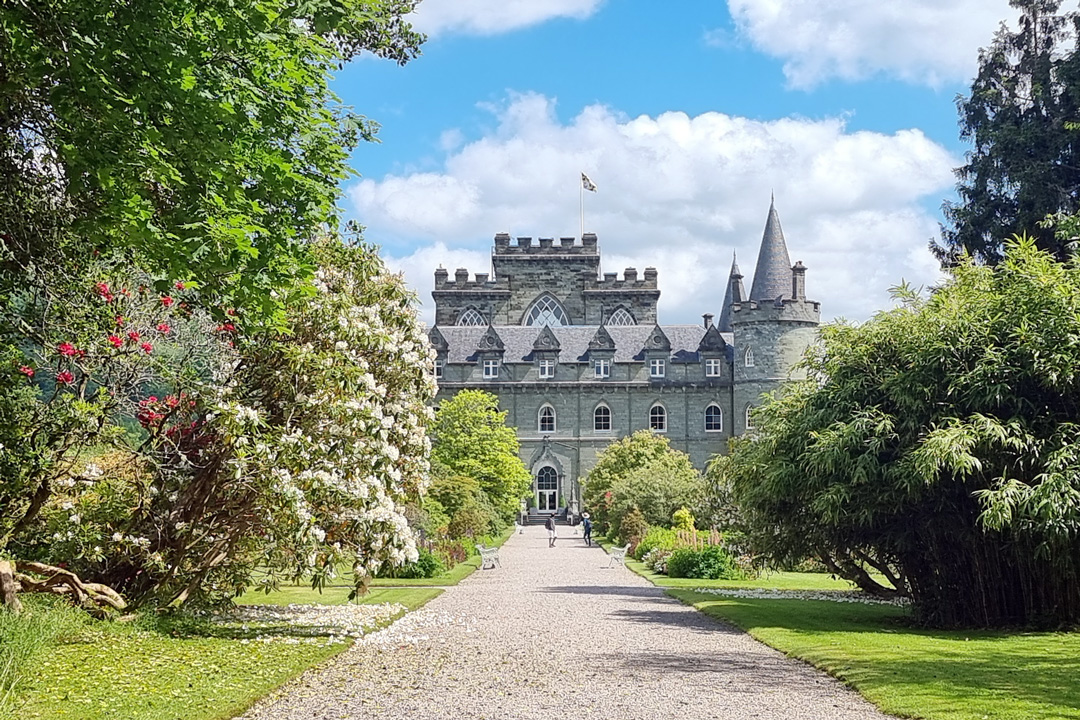
Clan Campbell: Inveraray and Argyll
One of the largest and most powerful clans in Scottish history, the Campbells were great supporters of King Robert the Bruce. Sir Neil Campbell was even married to Mary, Robert’s sister.
Clan Campbell’s chief rivals for control of Argyll and the west coast were the MacDonalds, and the rivalry led to one of the most infamous events in Scottish history – in 1692, 38 unarmed members of the MacDonald clan were killed in the Massacre of Glencoe by soldiers under Campbell command, part of a government effort to bring the Jacobite-sympathising clans to heel.
The Campbells went on to support the government in the Jacobite Risings of 1715 and 1745. Today the Duke of Argyll is a hereditary peer and the chief of Clan Campbell. Here is how to discover Clan Campbell.
- Inveraray Castle. The ancestral home of the Duke of Argyll, chief of Clan Campbell. The castle was designed by William Adam and took 43 years to complete. Tours are available (book in advance) of the interior, and the gardens and woodlands are free to explore.
- Kilchurn Castle. The seat of the Campbells of Glenorchy, constructed in the mid-15th century. The castle holds a strategic position at the head of Loch Awe and is now in the care of Historic Environment Scotland.
- Innis Chonnel Castle. The original 11th-century seat of Clan Campbell, on an island in Loch Awe near Dalavich. View from the shore.
Read more – how to visit Inveraray.
Stay at The Loch Fyne Hotel, a dog-friendly spa hotel on the lochside; The Inveraray Inn, opened in 1755; or Brambles of Inveraray, traditional rooms above a bistro and bakery.
Learn more about the Clan Campbell Society of North America.
In Outlander, Clan Campbell appears throughout the series as a recurring antagonist, particularly Black Jack Randall’s allies and the Duke of Sandringham’s political circle. The Massacre of Glencoe casts a long shadow across Jacobite Scotland. See my full guide to Jacobite Scotland.
Clan MacKenzie: Kintail and Eilean Donan Castle
Hailing from Kintail, Clan MacKenzie held huge lands stretching from the Outer Hebrides to the Black Isle, gained from their enduring loyalty to the Scottish monarchy.
Often acting as peacekeepers between the warring Highland clans, the MacKenzies also happily joined in with the conflict when it suited them – 500 MacKenzies contributed to the Battle of Bannockburn.
Here is how to discover Clan MacKenzie.
- Eilean Donan Castle. The most iconic of all Scottish castles, Eilean Donan sits at the junction of Loch Duich, Loch Long and Loch Alsh. The castle was built in the 13th century as a stronghold of Clan MacKenzie and destroyed in 1719 in retribution for the MacKenzies’ involvement in the failed Spanish-backed Jacobite Rising of that year. Reconstructed between 1912 and 1932.
- Castle Leod. Near Strathpeffer, Castle Leod is the home of the chief of Clan MacKenzie and is a private home. Outlander book readers will recognise the name: Castle Leod inspired the fictional Castle Leoch, the seat of the fictional Clan MacKenzie, although the TV series uses Doune Castle for the filming. Castle Leod opens to visitors on a small number of annual open days.
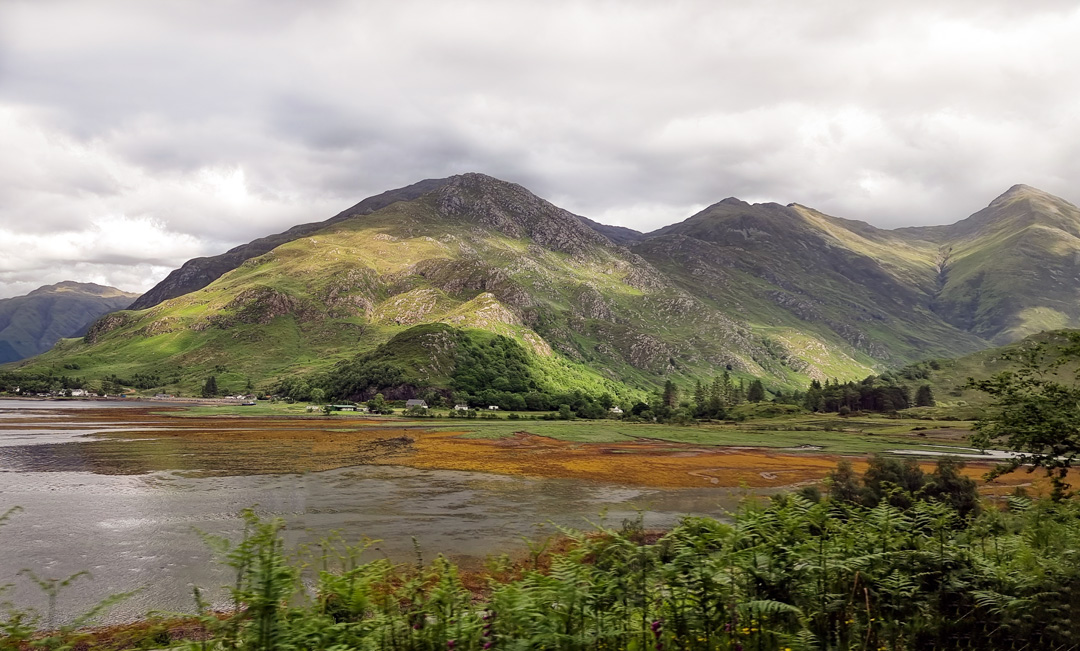
- Cross the Mam Ratagan Pass. The view from the top of the Mam Ratagan, looking down over Loch Duich to the Five Sisters of Kintail, takes in the heart of MacKenzie country.
Read more – how to visit Kintail.
Stay at Kintail Lodge Hotel, Ratagan Youth Hostel, or The Cluanie Inn.
Learn more about the Clan MacKenzie Society.
Clan MacKenzie is one of the two central clans of Outlander and the central clan of Blood of My Blood. Ellen MacKenzie, Jamie Fraser’s mother, is the protagonist of the prequel. In the show, Castle Leoch is Doune Castle, the real Castle Leod is the inspiration in the books. See my full guide to Outlander filming locations.
Clan Fraser of Lovat: Beauly and Loch Ness
With lands around Loch Ness and Beauly, Clan Fraser of Lovat is one of the most famous Highland clans, made even more famous by Outlander, where the fictional Jamie Fraser is descended from this line.
Real-life members of Clan Fraser of Lovat have shaped Scottish history. Sir Simon “the Patriot” Fraser commanded Scottish forces in 1303 and is said to have saved Robert the Bruce’s life three times. Simon Fraser, 11th Lord Lovat (also a character in Blood of My Blood) supported the 1745 Rising and was executed in London in 1747, the last man in Britain to be beheaded.
Here is how to discover Clan Fraser of Lovat.
- Beauly Priory. The graves of the Frasers of Lovat from the early 1300s can be found in the graveyard.
- Castle Dounie / Beaufort Castle. The traditional seat of the Lords Lovat, chiefs of Clan Fraser of Lovat. Castle Dounie was burned by government forces after Culloden in 1746. The “new” Beaufort Castle was built on the same site in the 19th century and is now a private estate.
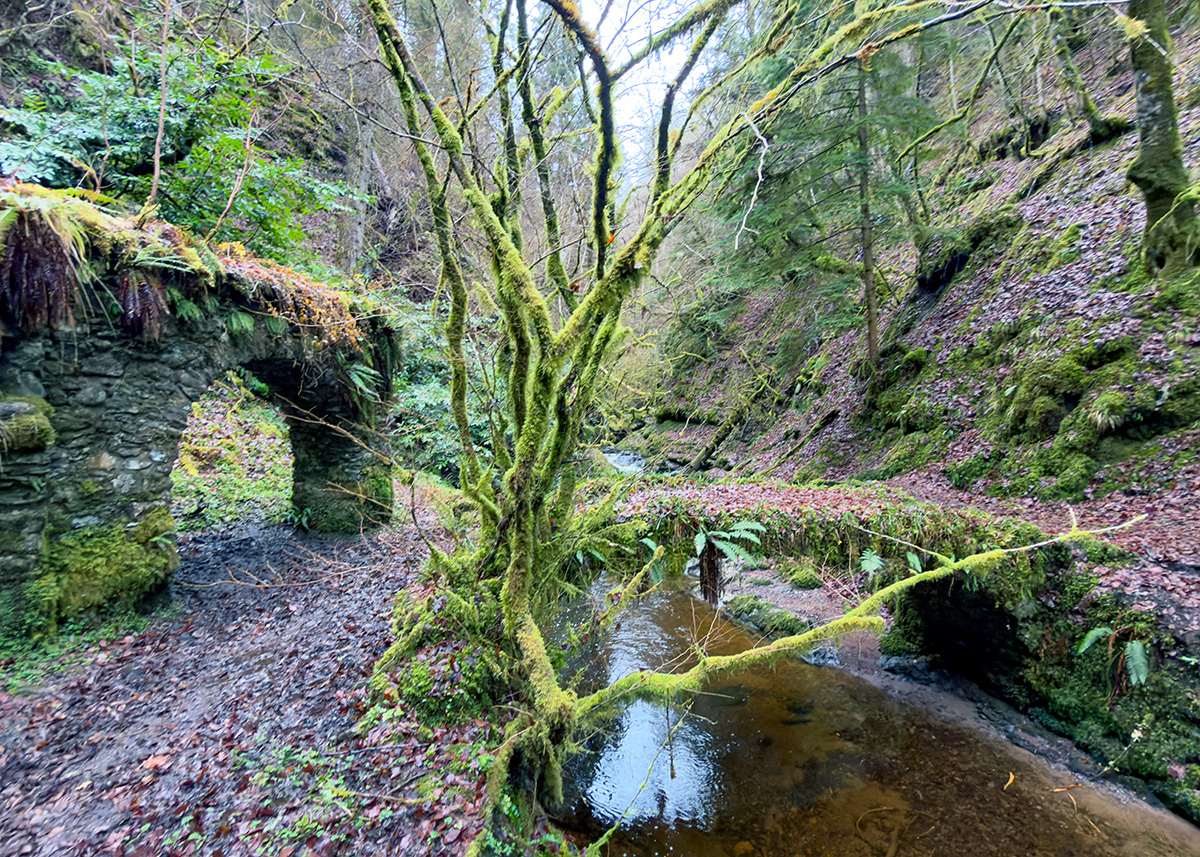
- Reelig Glen. A steep wooded glen south of Beauly, full of firs, cedars and spruces. Find the 62m Dùghall Mòr (Big Douglas), once Britain’s tallest tree. James Baillie Fraser, the Scottish explorer, laid out the glen.
- Wardlaw Mausoleum. Located at Wardlaw Graveyard in Kirkhill village, this mausoleum was built for the Lovat Fraser family in 1634.
Stay at Dornie Lodge or Old Manse at Muir of Ord.
Learn more about Clan Fraser of Lovat.
Clan Cameron: Lochaber and Spean Bridge
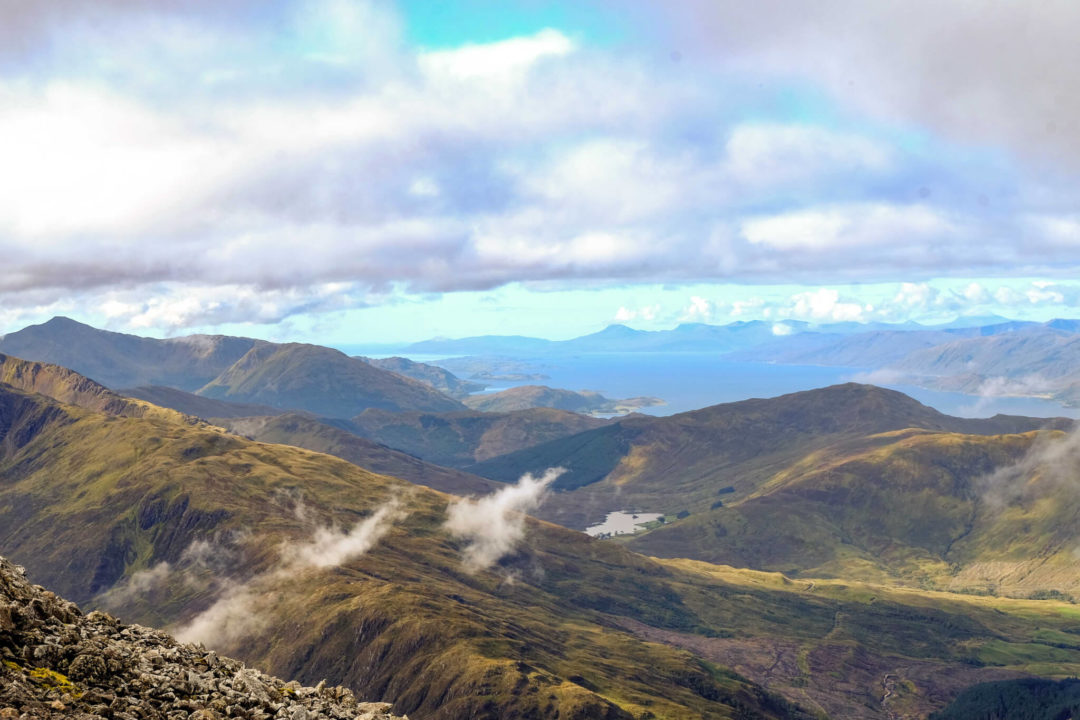
Hailing from Lochaber, Clan Cameron’s lands centre on Fort William and include Ben Nevis. The first accepted chief of the clan was recorded as Donald Dubh in the 1400s, and subsequent chiefs fought on the side of the Stuarts in the Jacobite Risings.
Donald Cameron of Lochiel (“the Gentle Lochiel”) was the chief whose decision to commit Clan Cameron to the 1745 cause is widely credited with making the Rising possible. Without Lochiel, the standard at Glenfinnan would not have been raised. The chief of the clan is still known as “Cameron of Lochiel”.
Here is how to discover Clan Cameron.
- Visit Tor Castle. Said to be the first of the Cameron castles, Tor Castle is outside Fort William and is now ruined. The ownership is disputed: it is said to be built on Clan Mackintosh lands, and was once owned by Banquo, the Thane of Lochaber from Shakespeare’s Macbeth.
- Clan Cameron Museum. Located at Achnacarry, the Clan Cameron Museum traces the history of Clan Cameron through 27 generations, as well as the 79th Cameron Highlanders.
- Achnacarry Castle. Originally built by Sir Ewen Cameron of Lochiel in 1655, Achnacarry was destroyed by government troops under the Duke of Cumberland after Culloden. The “new” castle you see today was built in 1802 and was used by the Commandos during the Second World War as their training ground. You can stay at the Achnacarry Steading Apartments adjacent to the castle.
- Eas Chia-aig falls. At the eastern end of Loch Arkaig, these waterfalls on the Achnacarry Estate were used in the film Rob Roy.
Read more – how to visit Fort William.
Stay at The Garrison, Lime Tree An Ealdhain, Cruachan Hotel, Inverlochy Castle Hotel.
Learn more about the Clan Cameron Association.
Did you know? Clan Cameron is the clan that committed first to the 1745 Rising at Glenfinnan. See my full guide to Jacobite Scotland.
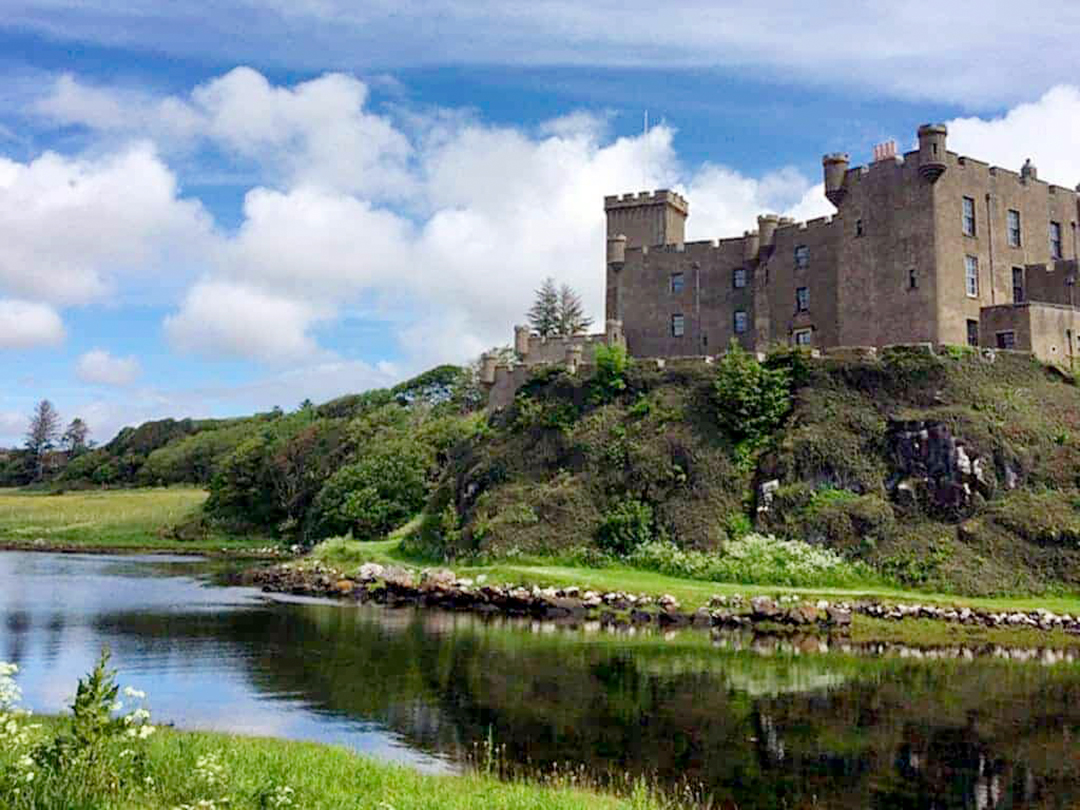
Clan MacLeod: Skye and Raasay
There are two main branches of Clan MacLeod: the MacLeods of MacLeod (Dunvegan, Harris and Glenelg) and the MacLeods of the Lewes (Lewis, Assynt and Raasay), both descended from Olaf the Black, one of the last Norse kings of Man.
The clan’s home, Dunvegan Castle, is the only Highland castle to have been continuously occupied by the same family for 800 years.
Here is how to visit Clan MacLeod’s lands.
- Dunvegan Castle, Isle of Skye. The home of Clan MacLeod, Dunvegan sits on the seafront and the gardens are lovely to wander. Visit to learn about the clan’s history, including their most famous 20th-century member, Dame Flora MacLeod of MacLeod.
- The MacLeod Tables. Two flat-topped hills, Healabhal Mhòr (1,539 ft) and Healabhal Bheag (1,601 ft), formed by lava flows and glacial retreat 58 million years ago. Climb the Tables on a 7-mile walk from Walkhighlands.
- MacLeod’s Maidens. Three sea stacks to the south of the Duirinish Peninsula, said to be the wife and two daughters of one of the chiefs of Clan MacLeod, who drowned on the journey. Reach the Maidens on a 10-mile walk from Orbost.
- Raasay House. Originally a laird’s house built by the MacLeods of Raasay, you can stay at Raasay House Hotel, now an outdoor centre and restaurant on the Isle of Raasay.
Read more – the full guide to the Isle of Skye.
Stay at Marmalade, the Bosville Hotel, or the classic Portree Hotel.
Learn more about the Clan MacLeod Society.
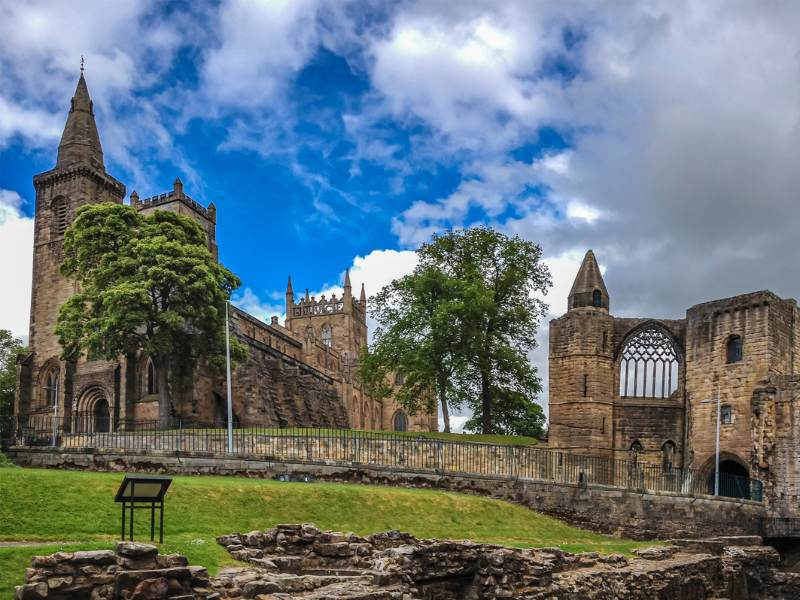
Clan Bruce: Clackmannanshire and Dunfermline
One of the Royal houses, Clan Bruce produced two of the Scottish kings: Robert the Bruce and David II. The story of Robert the Bruce, who defeated the English at Bannockburn in 1314 and secured Scottish independence, is one of the foundation myths of the country.
While the Bruces are a Lowland clan, with lands in Clackmannanshire and Dunfermline, there are sites associated with Robert the Bruce across Scotland.
Here is how to discover Clan Bruce.
- Dunfermline Abbey. Scotland’s newest city, Dunfermline was once the country’s capital and is the burial place of Robert the Bruce. His heart rests in Melrose, but his bones lie in Dunfermline Abbey. Elizabeth de Burgh, Robert’s wife, was also buried in the Abbey in 1327. Look for the carved “King Robert the Bruce” on the Abbey’s tower.
- Melrose Abbey. The final resting place of Robert the Bruce’s heart, Melrose Abbey is the best-known of the four Scottish Borders abbeys.
- King’s Cave, Arran. Whether or not the cave once sheltered Robert the Bruce, the King’s Cave on Arran’s west coast is an impressive site, with views to the Kintyre Peninsula and Drumadoon Point. The walk takes 1-2 hours from a signposted car park near Machrie.
- Clackmannan Tower. Dating to 1359, Clackmannan Tower was built by the Bruce family after the lands were gifted to Sir Robert Bruce. The county takes its name from the Bruce family relic, the “Clack-Mannan” stone of the Mannan tribe.
Read more – 10 things to do in Dunfermline.
Learn more about the Family of Bruce.
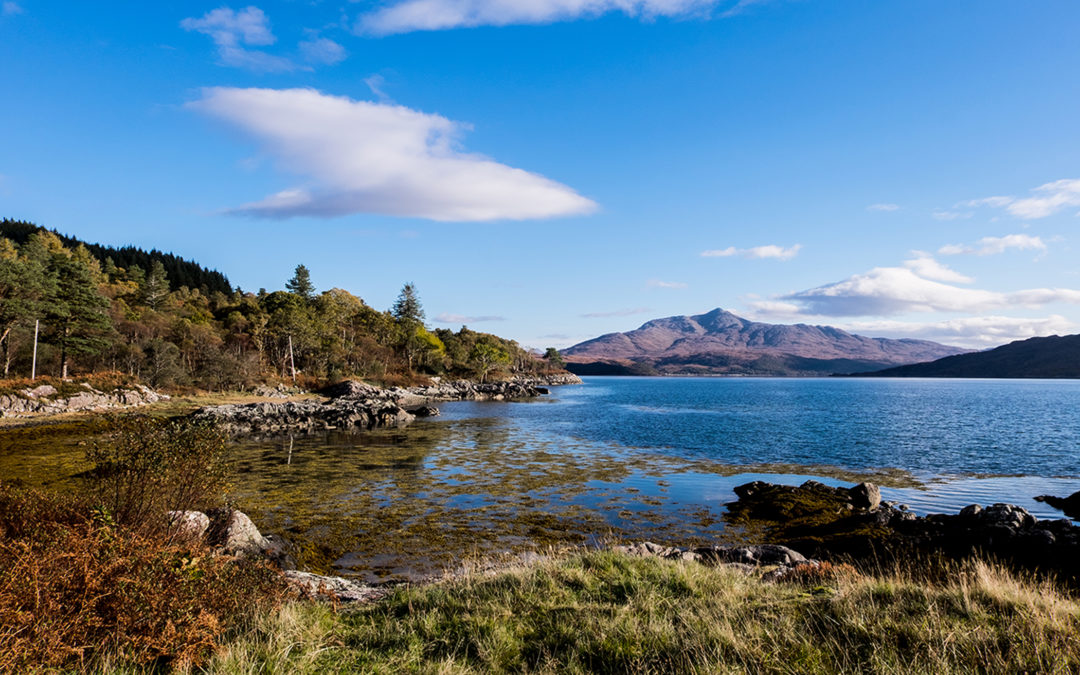
Clan MacLean: Mull, Coll and Tiree and the West Highland Peninsulas
One of the oldest Highland clans, Clan MacLean takes its name from Gillean of the Battleaxe, a 13th-century warrior. The MacLean lands are in the southern Inner Hebrides, on Mull, Coll, Tiree and parts of the West Highland mainland. The clan’s stronghold was Duart Castle on the eastern point of Mull, restored in the early 20th century by Sir Fitzroy MacLean, the 26th chief.
Here is how to discover Clan MacLean.
- Duart Castle. On the eastern point of Mull, with views across the Sound of Mull to Oban. The 13th-century castle has been the seat of the Clan MacLean for over 700 years. Open to visitors from April to October.
- Iona Abbey. Buried alongside the kings of Scotland on the holy island of Iona are members of Clan MacLean.
- Coll and Tiree. The “happy isles” of the Inner Hebrides have long been MacLean territory. Coll is one of the quietest islands of Scotland, with white sand beaches and dark skies.
- Achnacroish. On the small island of Lismore in Loch Linnhe, the ruined castle of Achadun was a MacLean stronghold.
Read more – my guide to the Inner Hebrides.
Learn more about Clan MacLean.
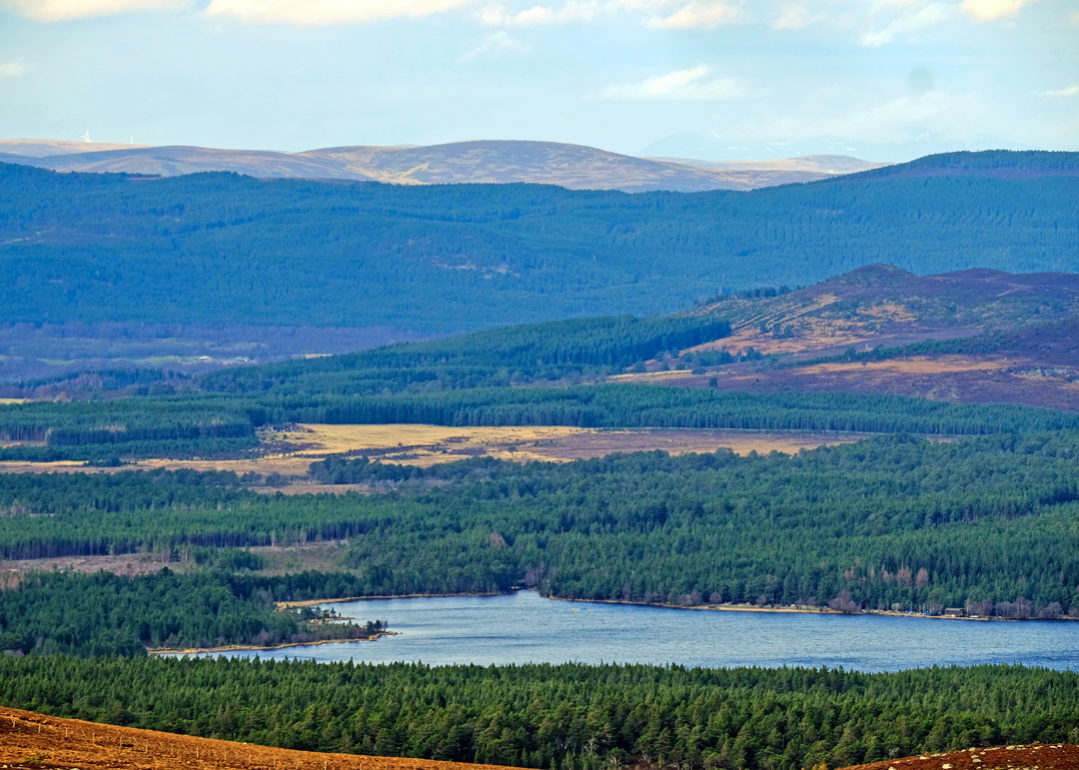
Clan Grant: Speyside and Strathspey
The Grants are one of the great clans of the central Highlands, with lands across Strathspey and Speyside.
Originally of Norman origin, the family settled in Stratherrick on the south side of Loch Ness in the 12th century before moving north-east to the lands they still hold today around Grantown-on-Spey.
The clan motto is “Stand Fast,” and Clan Grant supported the government during the 1745 Rising, in contrast to many of its Highland neighbours.
Here is how to discover Clan Grant.
- Castle Grant. The clan’s traditional seat, north of Grantown-on-Spey, dates to the 15th century. The castle is private but visible from the surrounding road and woodland walks.
- Grantown-on-Spey. The Georgian planned town founded by Sir James Grant in 1765 is the heart of Clan Grant country. Visit the Grant Arms Hotel, established in 1765 as the town’s first inn.
- Ballindalloch Castle. Known as the “pearl of the north,” Ballindalloch is the home of the Macpherson-Grants of Ballindalloch (a Grant cadet branch) and is open to visitors from April to September.
- Speyside Way. The 65-mile long-distance footpath runs from Buckie on the Moray coast through the heart of Speyside whisky country to Aviemore. Much of the route passes through historic Grant lands.
- The Cairngorms. The eastern Cairngorms fall within historic Clan Grant territory, including Glenmore, Loch Morlich and the route to Cairn Gorm itself.
Read more – my guide to Speyside and the Cairngorms.
Stay at The Grant Arms Hotel in Grantown-on-Spey, where Robert Burns and Queen Victoria both stayed, or The Cairngorm Hotel in Aviemore.
Learn more about Clan Grant.
Clan Grant is the central clan of Outlander: Blood of My Blood. In the prequel, the Grants are the richest of the three rival clans, and the production specifically scouted a grand house to reflect their wealth. Bowmont House, the Grant family seat in the show, is filmed at Melville House in Fife. The clan’s real ancestral lands are in Strathspey.
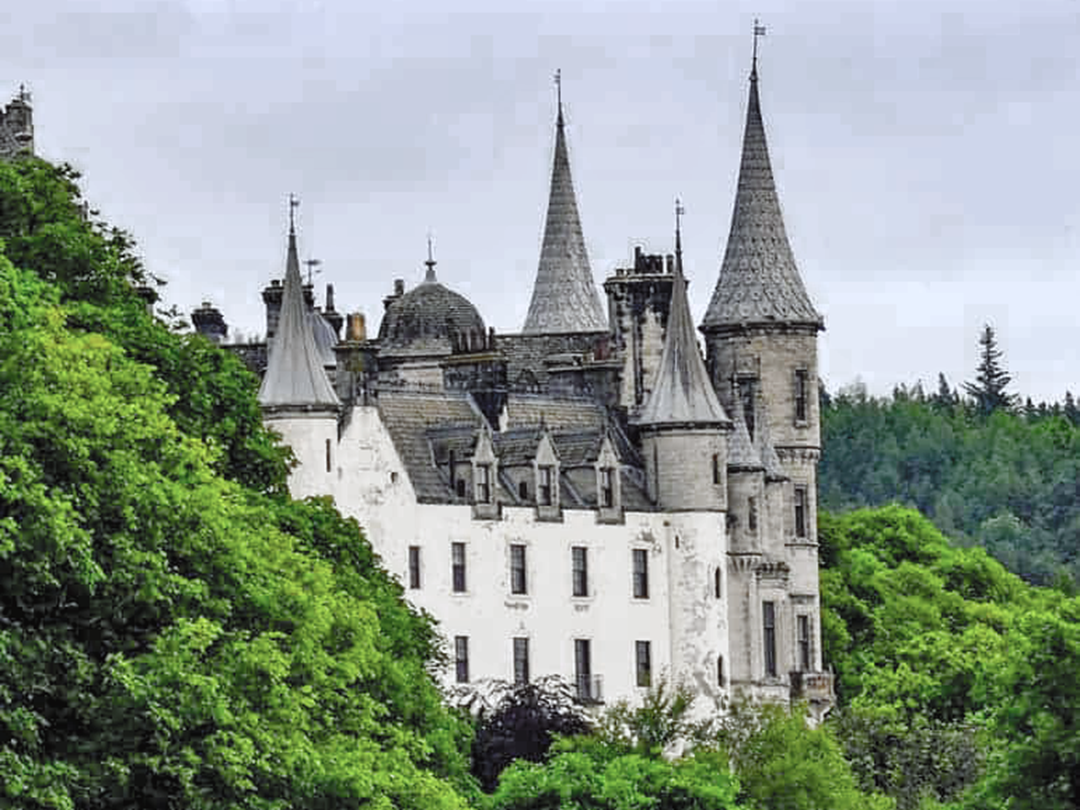
Clan Sutherland: Dunrobin Castle and the far north Highlands
The Sutherlands held vast lands across the far north Highlands, from Dornoch in the south to the Pentland Firth in the north.
Unlike most of their Highland neighbours, the Sutherlands supported the government during the Jacobite Risings of 1715 and 1745. During the ’45, Jacobites under George Mackenzie, 3rd Earl of Cromartie, stormed Dunrobin Castle in an attempt to capture the 17th Earl of Sutherland, who escaped through a back door and sailed to join the Duke of Cumberland’s army at Aberdeen.
The Sutherland Independent Highland Company later defeated Cromartie’s Jacobite force at the Battle of Littleferry, the day before Culloden.
The clan also bears responsibility for some of the most brutal Highland Clearances of the early 19th century. Between 1811 and 1820, the 1st Duke and Duchess of Sutherland evicted around 15,000 tenants from the interior of the county to make way for sheep farms.
A 100-foot statue of the 1st Duke (“the Mannie”) still stands on Ben Bhraggie above Golspie, controversial to this day.
Here is how to discover Clan Sutherland.
- Dunrobin Castle. The spiritual home of Clan Sutherland and the largest house in the Northern Highlands, with 189 rooms. The castle takes its name from “Dun Robin,” after Robert, 6th Earl of Sutherland. The Versailles-inspired formal gardens and the daily falconry display are highlights.
- Dornoch and Dornoch Cathedral. The royal burgh of Dornoch was the seat of the Bishops of Caithness before passing to the Sutherlands after the Reformation. Dornoch Cathedral, founded by Gilbert de Moravia in the 13th century, was restored in 1835-37 under the patronage of the Duchess of Sutherland.
- The 1st Duke statue on Ben Bhraggie. A 100-foot statue of George Granville Leveson-Gower, 1st Duke of Sutherland, stands on the summit of Ben Bhraggie above Golspie. A 5-mile circular walk from the village climbs to the statue and back.
- Helmsdale and the Timespan Museum. Helmsdale was one of the coastal villages built by the Sutherland Estates to house tenants evicted from the inland Strath of Kildonan during the Clearances. The Timespan Heritage Centre in the village tells the full story.
- Dornoch Castle. The 16th-century palace of the Bishops of Caithness, given to the Sutherlands after the Reformation in 1557. Now the Dornoch Castle Hotel.
Read more – my full guide to Sutherland.
Stay at Dornoch Castle Hotel, a 16th-century palace turned hotel in the centre of Dornoch.
Learn more about Clan Sutherland.
Frequently asked questions
What are Scottish clans?
Scottish clans are extended family groups that ran from around 1100 until the aftermath of the Battle of Culloden in 1746. The word “clan” comes from the Gaelic “clann” meaning “children”. Each clan was led by a chief and held lands in a specific region. Clansfolk took the chief’s surname or a recognised “sept” surname and were expected to provide military service in times of war. After Culloden, the Heritable Jurisdictions Act of 1747 stripped clan chiefs of their feudal powers.
How do I find my Scottish clan?
Start with the Scottish surname search tool at the Council of Scottish Clans and Associations. Many surnames are linked to a clan through “sept” relationships, so you may belong to a clan even if your surname is not the obvious one. Check both paternal and maternal lines. For deeper research, the National Records of Scotland in Edinburgh hold birth, marriage and death records going back to 1553.
What clan is Jamie Fraser from in Outlander?
Jamie Fraser is from Clan Fraser of Lovat, the Highland clan with lands around Beauly and Loch Ness, west of Inverness. The real Clan Fraser of Lovat is led by the Lord Lovat, and the family seat was Castle Dounie (burned after Culloden) and now Beaufort Castle. In Outlander, Jamie is the fictional laird of Lallybroch, filmed at Midhope Castle on the Hopetoun Estate near Edinburgh.
Which clan is Blood of My Blood about?
Blood of My Blood follows three clans: Clan Fraser (Brian Fraser’s family), Clan MacKenzie (Ellen MacKenzie’s family) and Clan Grant (the rival clan visited by Henry Beauchamp). The Frasers are filmed at Balvaird Castle (Castle Leathers), the MacKenzies at Doune Castle (Castle Leoch, as in the main Outlander series), and the Grants at Melville House (Bowmont House).
What is the most famous Scottish clan?
The Campbells, MacDonalds, MacLeods and Frasers are the most internationally well-known Scottish clans, with the Campbells being the largest and most powerful historically. Clan Fraser of Lovat has become particularly famous through the Outlander novels and TV series, which feature the fictional Jamie Fraser. Clan MacKenzie is also widely recognised thanks to Eilean Donan Castle and Outlander’s fictional Clan MacKenzie of Castle Leoch.
Can I visit Scottish clan castles?
Yes. Many clan castles are open to the public, including Inveraray Castle (Campbell), Eilean Donan Castle (MacKenzie), Dunvegan Castle (MacLeod), Duart Castle (MacLean) and Ballindalloch Castle (Grant). Some, like Castle Leod (MacKenzie), open only on a small number of annual open days. Others, like Beaufort Castle (Fraser), are private. Most clans also have a society or museum where you can learn more.
Did all Scottish clans fight in the Jacobite Risings?
No. The Jacobite cause divided Scotland, and Highland clans fought on both sides. Cameron of Lochiel committed Clan Cameron to Bonnie Prince Charlie in 1745, but Clan Campbell and Clan Grant fought for the government. Many clans, including the Frasers, were internally split. The popular image of Highlander versus government is a simplification of a more tangled history.
What happened to the Scottish clans after Culloden?
After the Battle of Culloden in 1746, the British government broke the clan system by law. The Heritable Jurisdictions Act of 1747 stripped chiefs of their feudal powers, the Disarming Act banned the bearing of arms, and the Act of Proscription banned Highland dress and the bagpipes. Many chiefs later turned their tenants off the land in the Highland Clearances of the late 18th and 19th centuries. The clans never recovered their political power, but their cultural memory remains.
Planning your Scottish clan trip? Let me know which clan you’re tracing.
Love from Scotland x
Read more
- Jacobite Scotland: the real history of the ’45 and where to visit
- Outlander filming locations: every spot in Scotland to visit in 2026
- Outlander: Blood of My Blood filming locations in Scotland
- How to visit Culross, Fife: Scotland’s prettiest village and Outlander’s Cranesmuir
- How to plan a Scottish ancestry trip
- The best places to visit in Fife
- Things to do in Fort William
- How to visit Inverness
