Most first-time Scotland itineraries have the same problem – too many stops, not enough time, and a lot of driving.
It’s easy to land in Edinburgh with an itinerary that tries to cover multiple destinations in a single week. If you do, you’ll spend the majority of that week in your car, arriving everywhere too late and too tired to enjoy it.
Here’s what goes wrong with most Scotland itineraries, and how to fix each one before you book anything.
The top ten Scotland itinerary mistakes
These Scotland itinerary mistakes are entirely avoidable.
- Trying to see everything in one trip – picking two or three regions and exploring them properly will always beat a breathless sprint from Edinburgh to Skye.
- Underestimating Scottish driving times – a route that looks like two hours on Google Maps can easily take three or four on single-track Highland roads, especially behind a caravan.
- Spending too long in Edinburgh at the expense of everything else – Edinburgh is wonderful, but two full days is enough for most visitors on a week long trip.
- Skipping Glasgow entirely – Glasgow has Scotland’s best food scene, live music every night of the week, world-class free museums, and a personality completely different from Edinburgh.
- Driving the entire NC500 without enough time – rushing the North Coast 500 in three days means you’ll see it all through a windscreen.
- Visiting Skye without a weather backup plan – Skye is stunning in sunshine and miserable in horizontal rain. Have a list of wet-weather alternatives like the Talisker Distillery or a long lunch at a local restaurant.
- Planning your visit without considering the season – daylight hours in December drop to as few as six, midges swarm from late June to August. Plan your trip around the season.
- Booking accommodation too late in peak season – popular spots like Skye, the NC500, and the islands can sell out six months ahead for June to September.
- Eating only in tourist-trap restaurants – Scotland’s food scene has transformed in the last decade. Seek out farm-to-fork restaurants, local seafood shacks and village pubs.
- Treating Loch Ness as a must-see – Loch Ness is worth a stop if it’s on your route, but you shouldn’t plan your entire itinerary around it.
Let’s plan a better trip shall we?
1. Stop trying to see everything in Scotland in one trip
This is top of the list of Scotland itinerary mistakes.
You might look at a map of Scotland and think it’s small. However, Scotland’s size is misleading, because the countryside and road network mean that covering distance takes far longer than you’d expect.
If you try to see Edinburgh, Glasgow, Glencoe, Skye, Inverness, and drive the NC500 in seven days, you’ll end up spending five or six hours a day in the car. You’ll arrive at each destination with barely enough time to take a photo before moving on.
What to do instead:
Accept that one trip won’t cover all of Scotland, and design your itinerary to take things a lot slower. Why not design your Scotland itinerary around a region rather than a route?
- A Lowlands trip might cover Edinburgh, Glasgow, Stirling, and the Trossachs.
- A Highlands trip might focus on driving the NC500, or a visit to Oban, Glencoe and Fort William, or why not visit the Great Glen and Inverness.
- An Islands trip might include a visit to Skye, Orkney or Mull, or head to the Outer Hebrides for some of the best beaches in Britain.
Each of these is a full week. Pick one and do it properly.
Explore the regions of Scotland
2. Don’t underestimate Scottish driving times
Even if you’ve planned a sensible region-based trip, you can still fall into this trap. You use Google Maps to estimate journey times and then discover that the estimates bear little resemblance to reality.
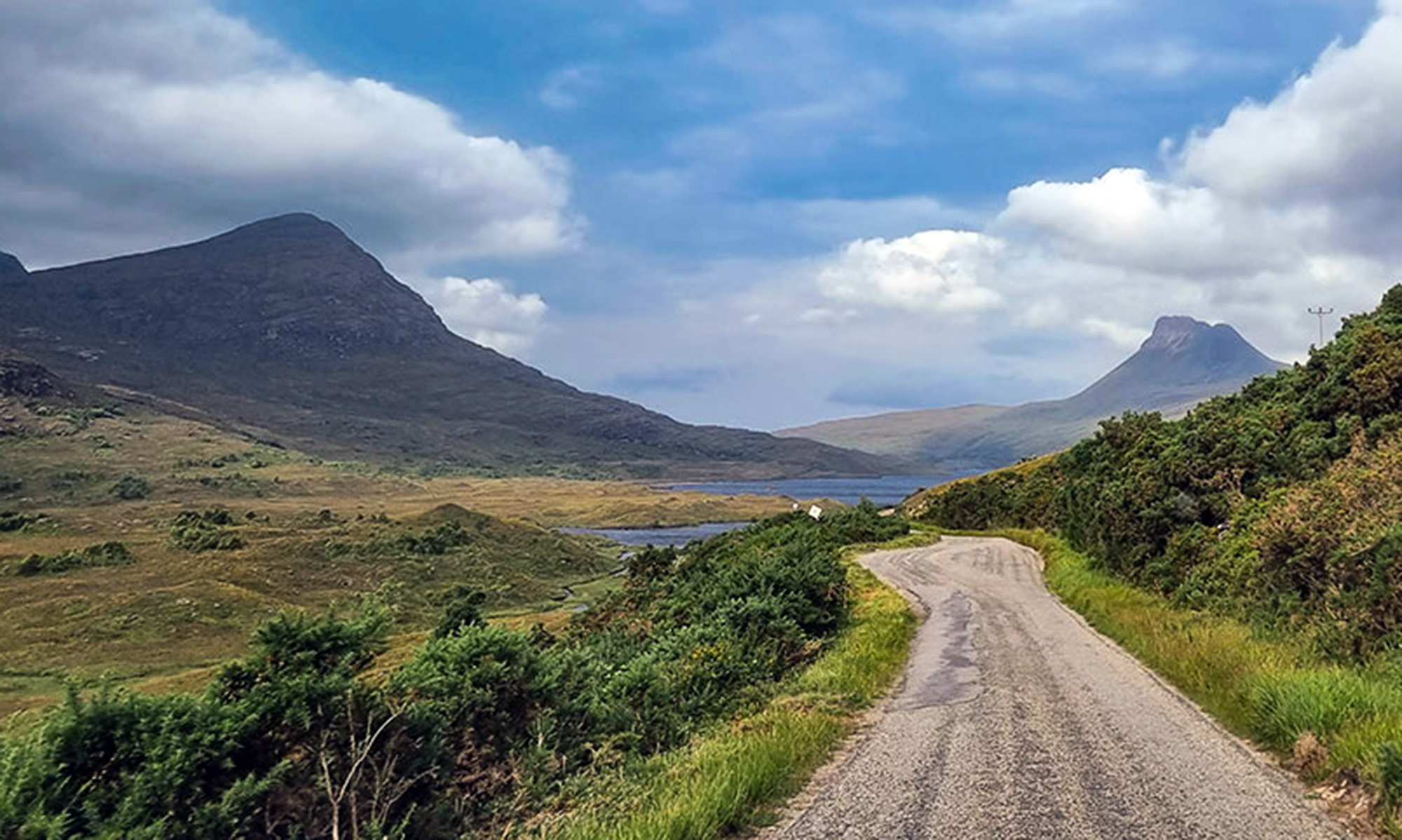
Much of the Highlands uses single-track roads with passing places, which means you’re constantly pulling over to let oncoming traffic through. Campervans and caravans move slowly on narrow roads with no opportunity to overtake for miles.
Weather reduces visibility. Livestock wanders onto roads in rural areas. You will also want to stop constantly, because the scenery is genuinely that good. That alone adds an hour to most drives.
A drive from Fort William to Skye? Google Maps says two and a half hours. Plan for three and a half. A loop around the Trotternish peninsula on Skye? It is a 50 mile trip – and you’ll spend most of the day doing it if you actually stop at the viewpoints.
What to do instead:
Cap your daily driving at two to three hours and plan your stops accordingly. This might sound conservative, but it’s the difference between a holiday where you’re constantly getting back in the car to head to your next stop.
Read more – dramatic drives – the best roads in Scotland to explore
3. Spending too long in Edinburgh at the expense of everywhere else
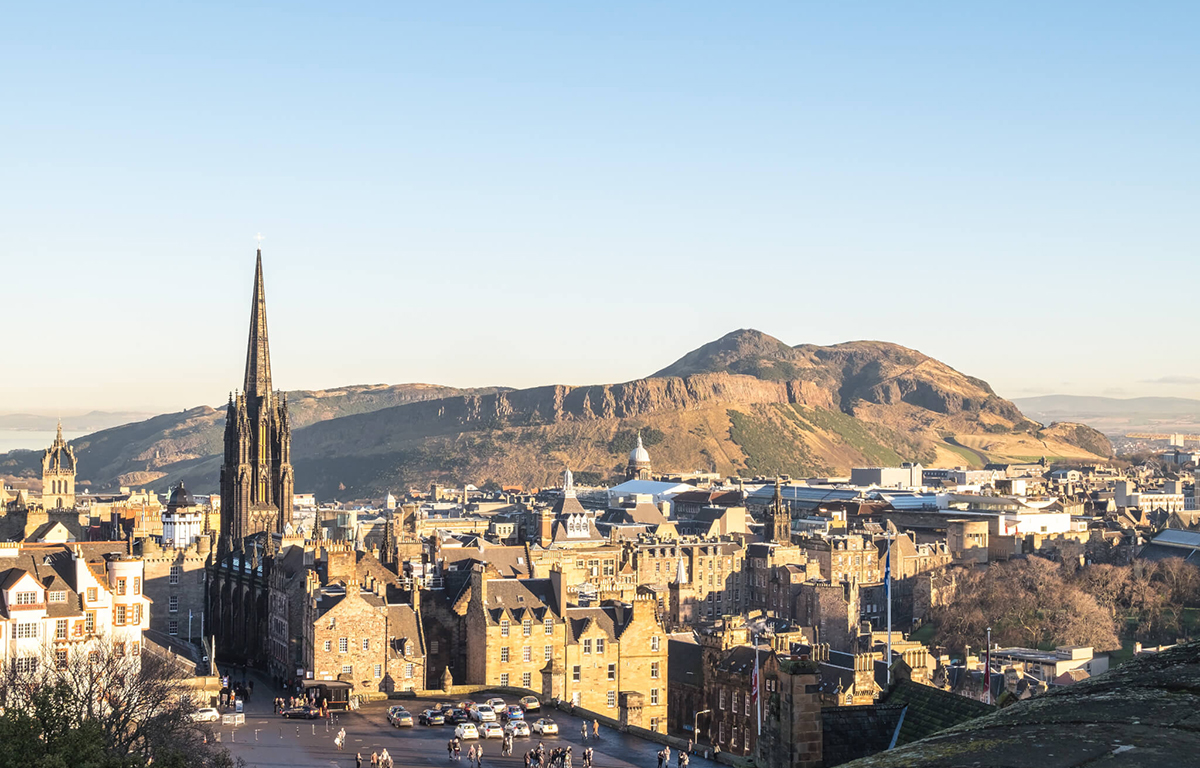
Edinburgh is a genuinely fabulous city. The Old Town, Arthur’s Seat, the Georgian New Town, it deserves a few days to explore.
However, Edinburgh is compact. Two full days is enough to walk the Royal Mile, visit the Castle, explore the New Town, visit Dean Village and Stockbridge, see the National Museum, and spend an evening in the Grassmarket or Stockbridge.
What to do instead:
Allocate two days to Edinburgh, three at most.
- Use your first day for the Old Town: the Castle, the Royal Mile, St Giles’ Cathedral, Grey Friar’s Bobby and the National Museum.
- Use your second day for the New Town, Dean Village, the Botanical Gardens and Stockbridge.
If you have a third day, pick one thing that interests you most, whether that’s Edinburgh’s literary history, a whisky tasting, or a half-day trip to the coast. Then get out of the city and explore.
Read more – my guide to Edinburgh
4. Skipping Glasgow entirely
This is the opposite mistake, and it’s almost as common. You might fly into Edinburgh, head straight for the Highlands, and fly out again without setting foot in Glasgow.
You’ve probably heard Glasgow is “less pretty” or “more industrial” and assumed its not worth a visit. You are making a mistake.
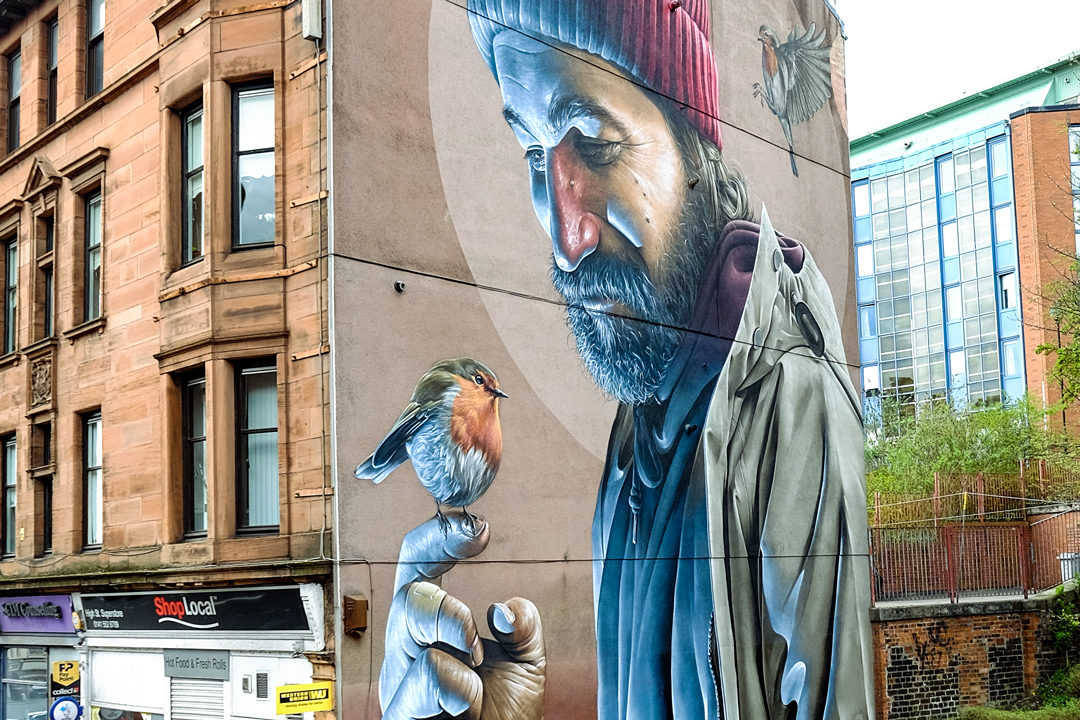
The Kelvingrove Art Gallery and Museum is arguably Scotland’s best museum, and it’s free. The city’s street art scene is incredible. The West End, particularly Ashton Lane and the area around the University of Glasgow is beautiful. The live music scene is among the best in the UK. Glasgow’s restaurant scene has exploded in recent years, with everything from michelin-starred Indian food to innovative modern Scottish cooking.
Glasgow is also a better gateway to the west coast and Hebridean Islands. If you’re heading to Oban for ferries to Mull, or visiting Loch Lomond and the Trossachs National Park, Glasgow is closer and more convenient than Edinburgh.
What to do instead: Give Glasgow at least one full day, ideally two.
- Spend a morning at Kelvingrove, walk through the West End and the Botanic Gardens, and explore the Necropolis (Glasgow’s Victorian cemetery overlooking the cathedral) – then head out for the night, Finneston is highly recommended.
- If you have two days, add the Riverside Museum and a walk along the Clyde.
5. Driving the NC500 without enough time
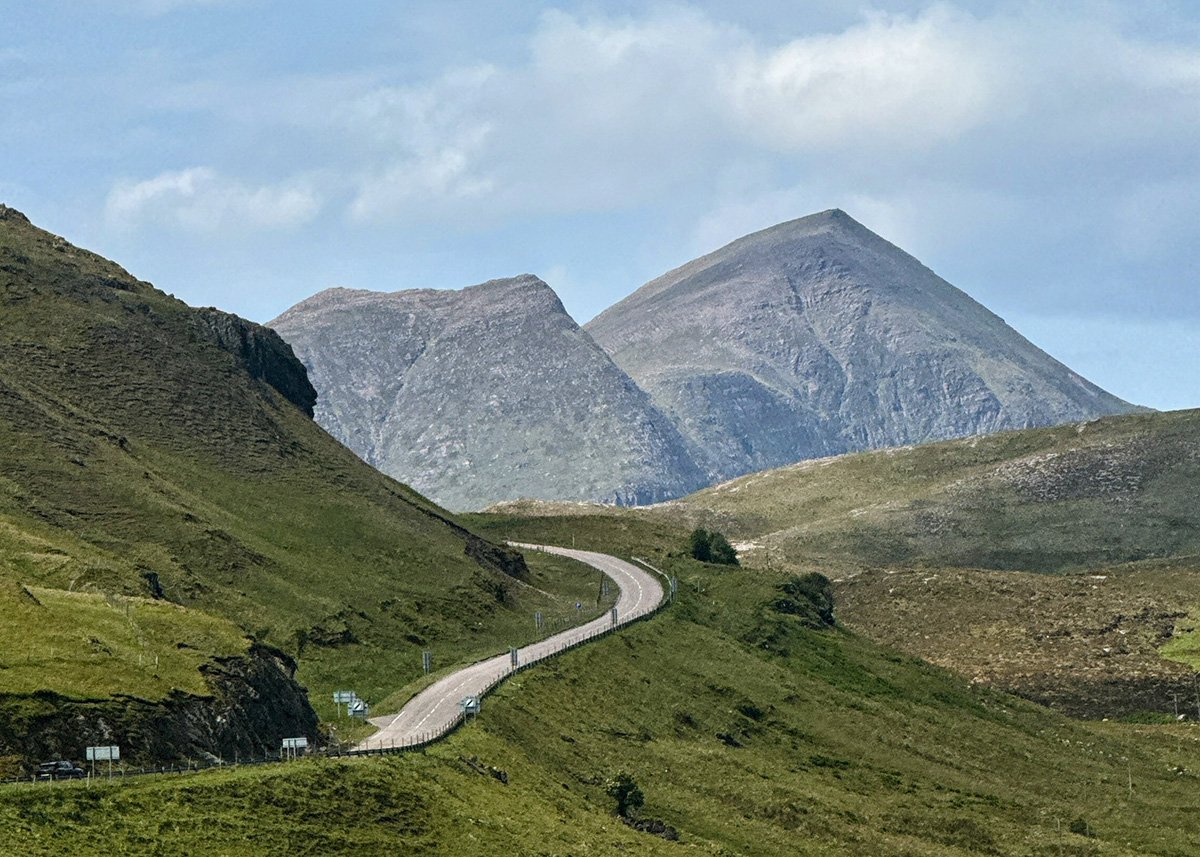
The North Coast 500 has become one of Scotland’s most famous road trips since its launch in 2015. The route loops around the far north through some of the most spectacular coastal scenery in Europe.
The problem is that you might try to fit the full 500-mile loop into two or three days. At that pace, you’re just driving. There’s no time to stop at the beaches, walk to the viewpoints, or detour to the places that make the route worth doing.
There’s also the problem that accommodation on the NC500 is limited, especially in peak season. The route passes through some of the most sparsely populated parts of Scotland. The small B&Bs and hotels along the way book up months in advance for summer.
What to do instead: If you want to do the full NC500, commit to at least five days, ideally seven. If you don’t have five days, don’t attempt the whole loop. Cherry-pick the most rewarding section instead.
The northwest coast between Ullapool and Durness is widely considered the most dramatic stretch, with Assynt’s mountain landscapes, the beaches of Achmelvich and Sandwood Bay. You can drive this section in two to three days without rushing.
Plan your drive around the North Coast 500
6. Visiting Skye without understanding the weather
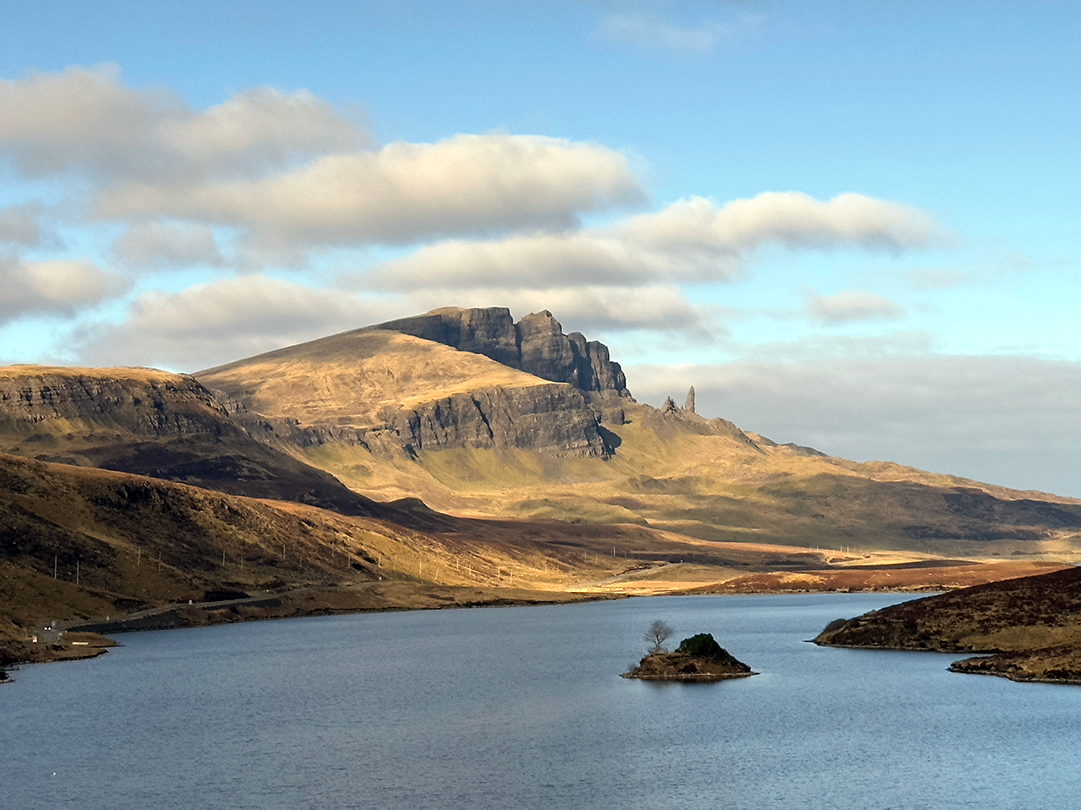
The Isle of Skye is on almost every Scotland itinerary, and understandably so. The Cuillin mountains, the Old Man of Storr, the Fairy Pools, the Quiraing – on a clear day, Skye is among the most dramatic landscapes in Britain.
The key phrase is “on a clear day.” Skye gets rain on roughly 200 days per year, and on the rest low cloud can obscure the mountains entirely.
If your Skye plan consists entirely of outdoor viewpoints and hilltop walks, there’s a significant chance that the weather will make them invisible. This doesn’t mean you shouldn’t visit Skye. It means you shouldn’t visit with only one plan.
What to do instead: Build your Skye days with a Plan A (good weather) and a Plan B (bad weather) for each day.
- Your good-weather list is the famous stuff: the Old Man of Storr, the Quiraing ridge, the Fairy Pools, Neist Point lighthouse.
- Your bad-weather list should include the Talisker Distillery, visit Dunvegan Castle, the Museum of Island Life, the Staffin Dinosaur Museum, a long lunch in one of Skye’s seafood restaurants, or exploring Portree harbour with a raincoat before a coffee at Birch.
Plan your visit to the Isle of Skye
7. Planning your visit without considering the season
Scotland is a year-round destination. Each season comes with practicalities that can catch you off guard, though.
Winter (November to February) brings the shortest days. In the far north, you might get only six to seven hours of daylight in December.
Many rural attractions, restaurants, and B&Bs close for the season or operate on limited hours. Roads in the Highlands can be affected by ice and snow, and some mountain passes close entirely.
Winter does offer empty landscapes, dramatic light, and the chance to see the Northern Lights from the north coast. It’s worth visiting, just not with a summer itinerary.
Spring (March to May) is excellent. Days are getting longer, tourist numbers are still low(ish), and the landscape comes alive with wildflowers. The downside is that the weather remains unpredictable and some seasonal attractions haven’t opened yet.
Summer (June to August) delivers the longest days and the warmest weather. It also delivers midges. These tiny biting insects swarm in vast clouds on still, damp evenings across the west Highlands and islands. They can make outdoor activities genuinely miserable if you’re not prepared. They’re worst in sheltered, boggy areas near standing water and at their peak in late July and August.
Read my guide to surviving the Scottish midge and where to visit in Scotland in summer.
Autumn (September to October) is many repeat visitors’ favourite season. The midges are fading, the heather turns purple, autumn colours appear, and tourist numbers drop after the school holidays end. September in particular often delivers stable, clear weather.
Where to visit in autumn in Scotland
What to do instead: Plan your itinerary around the season, not despite it.
If you’re visiting in winter, focus on the cities and accessible Lowlands rather than remote Highlands. If you’re visiting in summer, pack midge repellent and a head net. They’re not a joke. They are a necessity.
If you have flexibility on timing, aim for late May, June, or September. You’ll get long days, manageable weather, and fewer crowds.
8. Booking Accommodation too late
Scotland’s accommodation infrastructure in the Highlands and on the islands is more limited than you might expect. Outside Edinburgh and Glasgow, you’re relying on small B&Bs, independent hotels, and self-catering cottages, many with only a handful of rooms.
In peak season (July and August, plus Easter and school half-term weeks), popular areas book up months or even years in advance. Don’t bother trying to find a room on Skye for a Saturday night in August without a booking.
The NC500 route, Fort William, Oban, and St Andrews all face similar pressure.
The knock-on effect is significant. Instead of staying where your itinerary needs you, you end up wherever has availability, which might be an hour’s drive in the wrong direction.
What to do instead: For travel between June and September, book Highland and island accommodation three to six months in advance. Six months is not excessive for Skye, the NC500, and Mull in high summer.
Cities are more forgiving. Edinburgh and Glasgow have enough hotels and serviced apartments that you can usually find something with a few weeks’ notice, though prices rise closer to your dates.
Self-catering cottages are worth considering in rural areas. They’re often better value than hotels, they give you a kitchen – useful when the nearest restaurant is a twenty-minute drive.
Read my guides to the best accommodation in Scotland, whatever you are looking for.
9. Eating only in tourist-trap restaurants
Scotland has undergone a quiet food revolution over the past two decades.
However, the tourist trap is alive and well. You’re on the Royal Mile in Edinburgh, you’re hungry, and you walk into the nearest restaurant with a menu featuring haggis, neeps and tatties, a steak pie or even a “traditional Scottish platter.” The food is fine and you leave thinking Scottish food is nothing special.
A fifteen-minute walk away, there are restaurants serving hand-dived scallops from the west coast, Perthshire venison, and Arbroath smokies. Glasgow’s food scene is even better: diverse, affordable, and genuinely exciting.
In rural areas, the best meals are often found in the most unassuming places – a harbourside shellfish shack Oban, a tin shed on Skye, village pub in the Cairngorms serving farm to table pies.
What to do instead: Step away from the obvious tourist streets when you’re looking for food.
In Edinburgh, head to Stockbridge, Leith, or Bruntsfield. In Glasgow, explore Finnieston, the Merchant City, or the South Side. In rural Scotland, ask your B&B host where they eat.
Prioritise seafood when you’re on the west coast and islands. Scotland’s shellfish (langoustines, oysters, mussels, crab) is world-class, and often surprisingly affordable close to where it was caught.
Try Cullen skink, a thick smoked haddock soup that is one of Scotland’s best dishes. Look for venison on menus in the Highlands. Save room for sticky toffee pudding.
Read more – the best restaurants in Scotland and all the Scottish food you really need to try.
10. Treating Loch Ness as a must-see
This will be controversial. Loch Ness is probably the most famous body of water in Scotland, and one of the most famous in the world. It’s also, fundamentally, a very long, dark lake. Without the Loch Ness monster mythology, very few people would make a special trip.
The problem isn’t visiting Loch Ness. If you’re passing through the area it’s worth a stop. Urquhart Castle merits an hour, the drive along the loch is attractive and watching the boats go down the locks of the Caledonian Canal is good fun.
The problem is you are diverting significant time and driving to visit it specifically, at the expense of more rewarding destinations.
What to do instead: If Loch Ness falls naturally on your route, enjoy it. Pull over at Urquhart Castle, take a photo, and continue on your way. Loch Ness is fine. It’s just not worth rearranging your trip for.
The best things to do at Loch Ness
So, what should you do?
The one things that fixes almost every bad Scotland itinerary, it’s this: do less, slower. Pick fewer destinations. Leave buffer days. Build in flexibility for weather. Allow time for sitting in a pub. You won’t see everything, but what you do see you’ll love.
Want to do it right? Here is how to plan a slower and more sustainable trip to Scotland
Frequently Asked Questions
How many days do I need in Edinburgh?
Two full days is enough to see Edinburgh’s main attractions comfortably. A third day is worthwhile if you want to explore beyond the city centre. Allocating more than three days means you’re probably missing out visiting Glasgow, Stirling or seeing Loch Lomond .
How far in advance should I book accommodation in Scotland?
For Highland and island travel between June and September, book three to six months ahead. Cities are more flexible, though booking a month or more in advance gets you better prices and locations. For the NC500 route and Skye in peak summer, six months is recommended.
What are midges and when are they worst?
Midges are tiny biting insects that swarm in the west Highlands and islands, particularly on still, damp evenings. They’re most active from late June through August, peaking in late July. Midge repellent (Smidge is the most popular brand in Scotland) and a head net are essential for summer outdoor activities in affected areas.
Is the NC500 worth it for a short trip?
If you have fewer than five days, don’t attempt the full loop. Drive the northwest coast section between Ullapool and Durness instead. It’s the most scenically dramatic stretch and works well in two to three days.
Should I skip Loch Ness?
Don’t skip it if it’s on your route. It’s worth a brief stop. Don’t reroute your itinerary specifically for it, though.
Kate – Love from Scotland x.