There are two versions of the Isle of Skye.
One is a windswept island with volcanic ridges, empty landscapes and some of the most dramatic scenery in Europe. The other is a congested tourist circuit with overflowing car parks and £300-a-night B&Bs.
Which version of Skye you get depends almost entirely on when you go and how you plan it.
Here’s my honest breakdown of what Skye delivers, where it falls short, and whether one of Scotland’s other islands might be a better fit for you.
What the Isle of Skye gets right
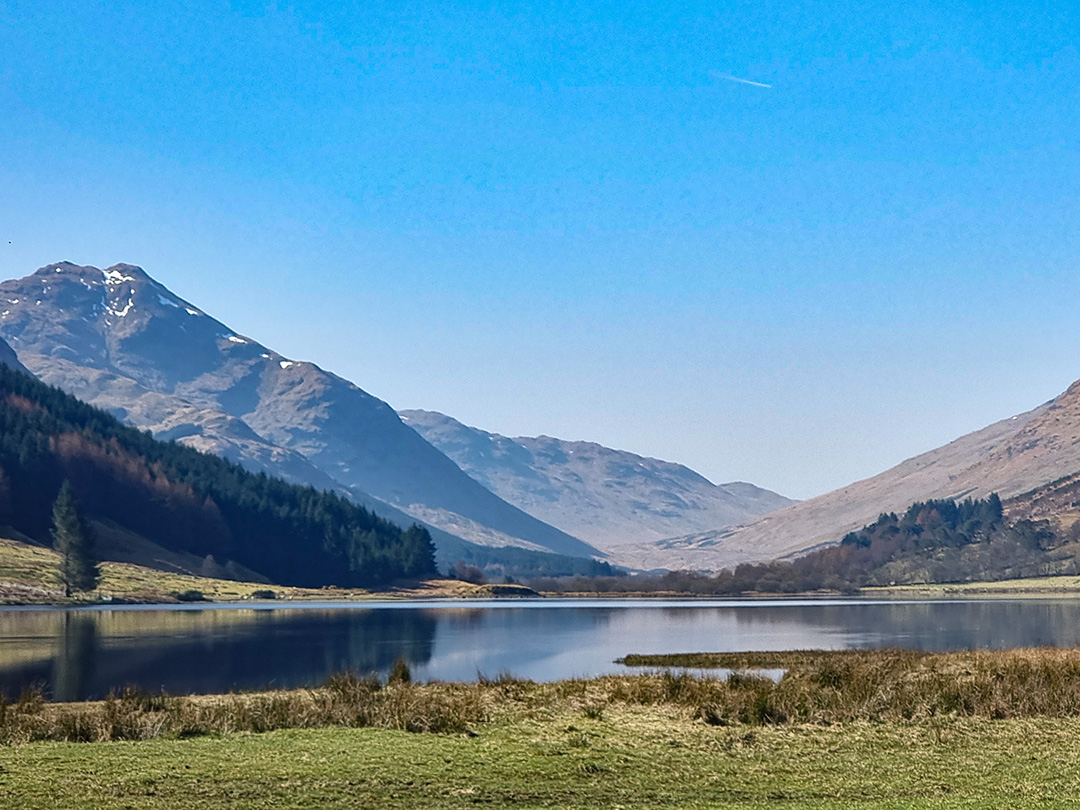
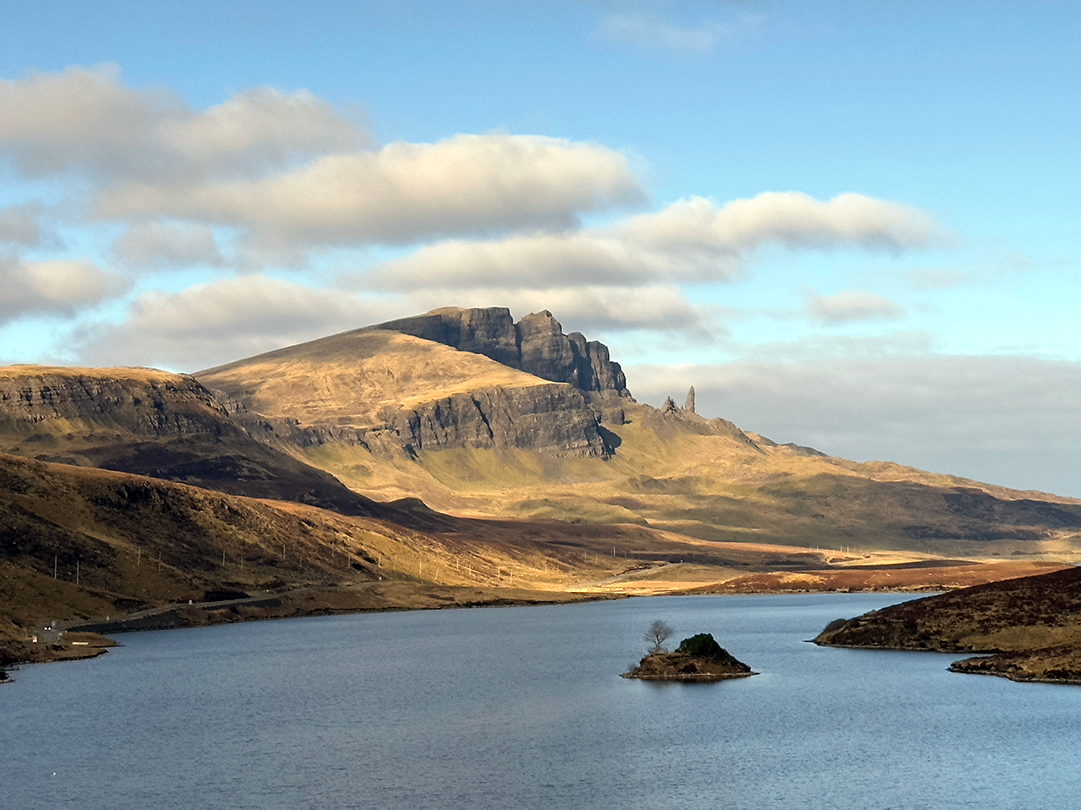
The Isle of Skye’s landscapes and geology are the main reason people visit Skye and they deserve the reputation. The scenery is not overhyped – from the incredible Cuillin ridge to the Quiraing, The Trotternish Ridge and the Old Man of Storr – Skye’s landscapes look unlike anything else in Britain.
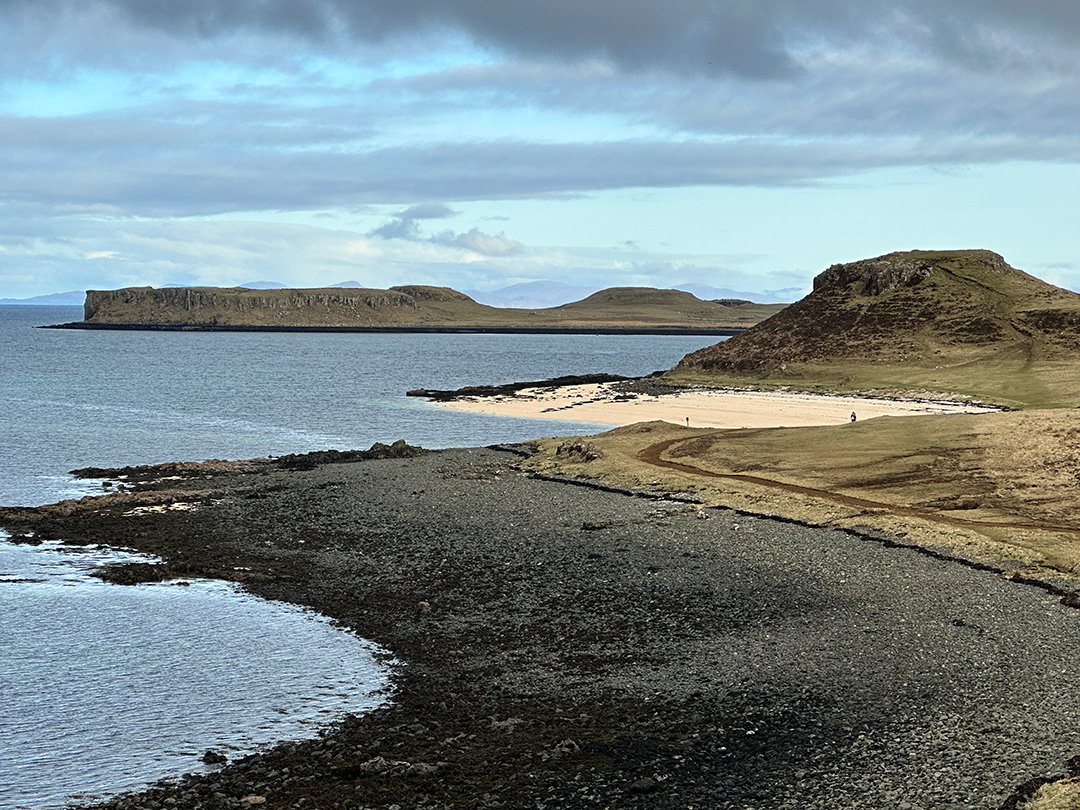
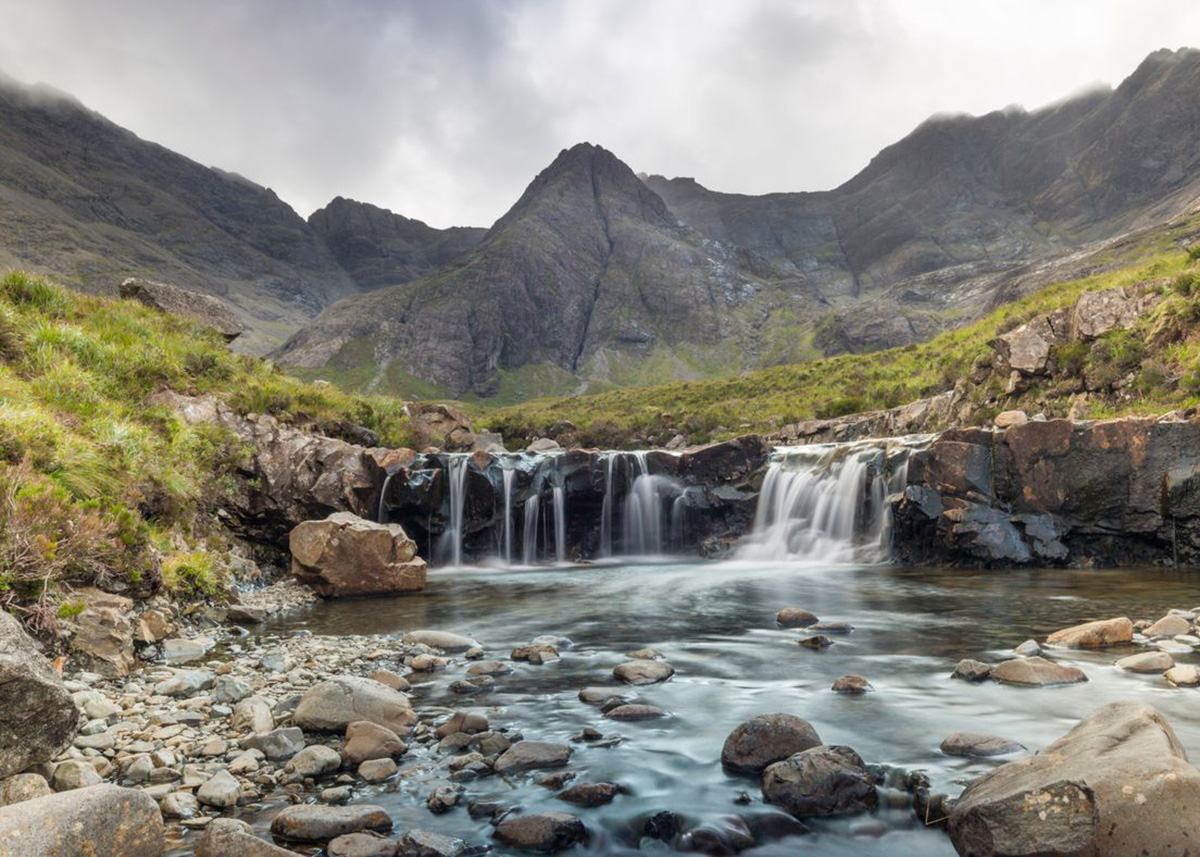
The hiking is also incredible, from easy low-level walks like the Fairy Pools and the coral beach at Claigan, through moderate ridge walks like the Quiraing, up to serious scrambles on the Cuillin ridge that require ropes and experience.
Skye is also more accessible than most Scottish islands. It’s connected to the mainland by a bridge at Kyle of Lochalsh, with regular bus services. You don’t need a ferry booking (unless you want to travel from Mallaig) or a flight to get to Skye.
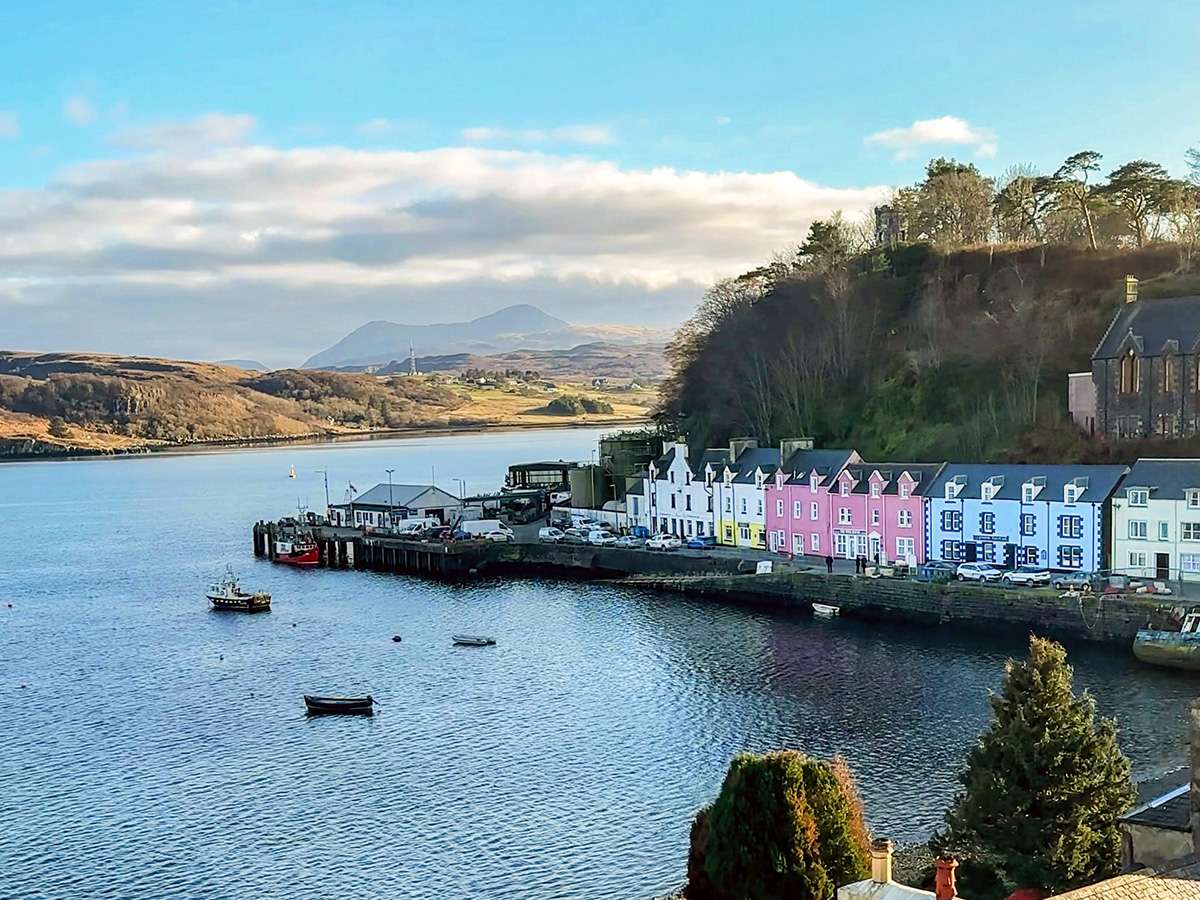
The island’s main town Portree is a great base with a colourful harbour, good restaurants, lively pubs, a well-stocked Co-op, and plenty of accommodation options.
The food on Skye has also improved significantly in recent years too, from The Oyster Shed in Carbost, Scorrybreac in Portree, Edinbane Lodge, Loch Bay Restaurant and The Three Chimneys all offering up fabulous local food.
Read more – how to plan your trip to Skye
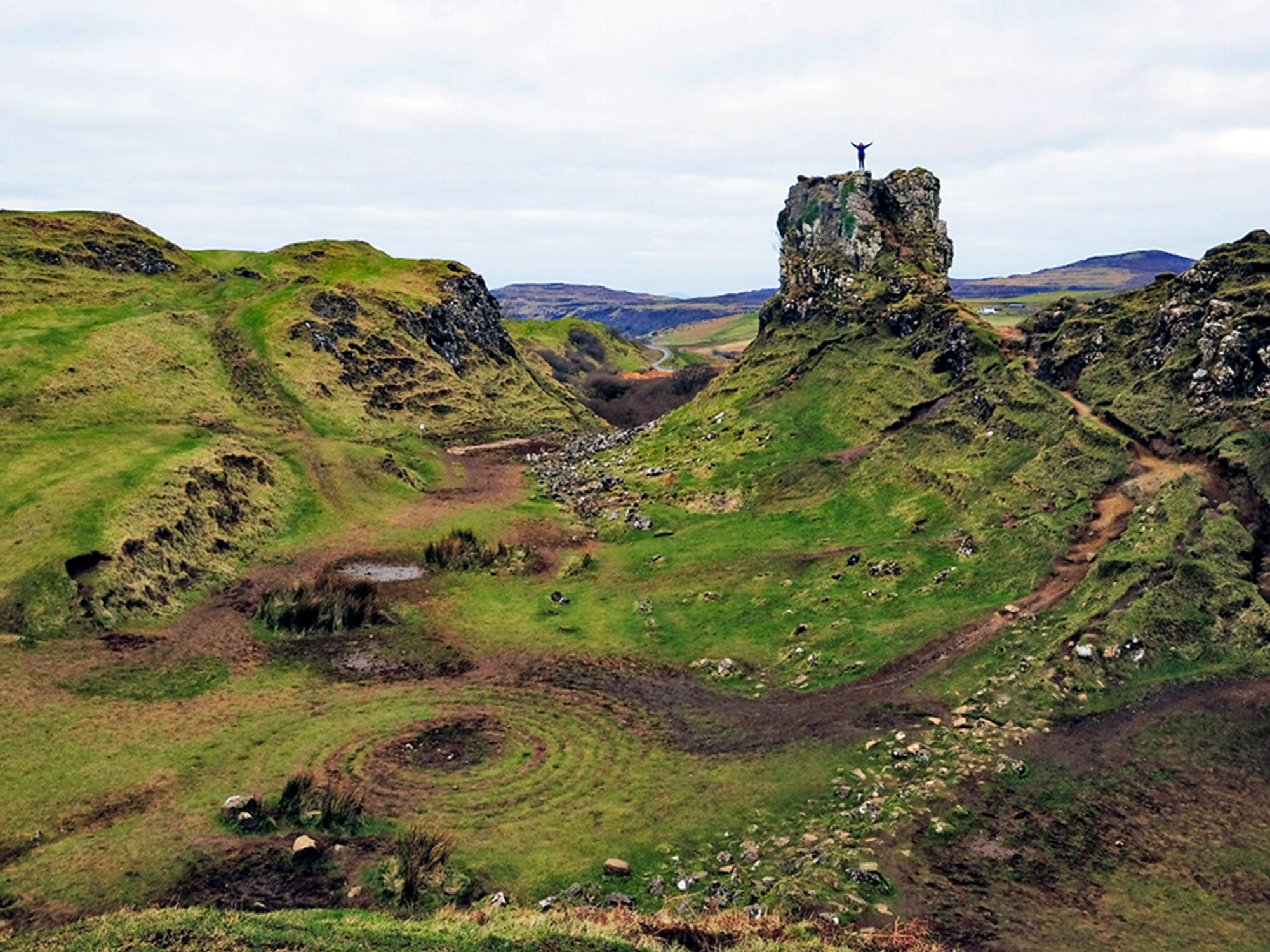
The honest problems with Skye
If you’ve seen the Instagram version of Skye, with moody solitude and empty landscapes, you may be surprised by what you find in high summer. Tour buses, selfie crowds at every viewpoint, and car parks that feel more like a motorway service station than a remote island.
The crowds at peak season are a real issue. In July and August, and increasingly in June, Skye gets serious congestion. The car park at the Old Man of Storr fills before 9am. The Fairy Pools car park can have queues stretching back onto the road. The single-track roads around the Trotternish peninsula get gridlocked with campervans.
The road network wasn’t designed for current visitor numbers – single-track sections create bottlenecks, there are multiple pot holes, passing places get blocked by people who don’t know how to use them.
Accommodation is also very expensive and books up fast with availability disappearing months in advance. If you’re booking less than three months ahead for peak summer, you’ll have very limited options and you’ll likely overpay for what you get.
Skye’s weather is also an issue. They don’t call Skye the ‘Misty Isle’ for nothing. Skye gets rain on roughly 200 days per year and low cloud can sit on the mountains for days at a time, making the mountains invisible.
If you’ve driven five hours from Edinburgh and your two days on Skye are both grey and wet, that’s a significant chunk of your trip spent on an island you can’t really see.
Read more – how to be a more sustainable tourist in Scotland
So, how do I avoid these problems on Skye?
If you’re going to visit (and the scenery is a strong enough reason to) here are my tips for visiting Skye.
- Go in May or September – the crowds are a fraction of what they are in July and August and accommodation is cheaper and easier to find. May gives you long daylight hours and spring light. September gives you autumn colours and calmer weather.
- Stay for at least three nights – two nights means one full day, which is too tight. Three nights gives you two full days, and that lets you wait out a day of bad weather or spread the main sights across quieter times.
- Start your days early or go late – The Old Man of Storr at 7am is a completely different experience from the Old Man of Storr at 11am. The tour buses arrive mid-morning and leave by late afternoon. Plan around peak times and you’ll have the main viewpoints largely to yourself.
- Explore beyond the greatest hits – Elgol offers one of the finest views of the Cuillin, the black coral beach at Claigan is a fraction as busy as the Fairy Pools, Talisker Bay Beach with its waterfall is one of the finest on the island.
- Book accommodation early – at least three to six months ahead for summer visits. This is non-negotiable if you want to stay somewhere decent at a reasonable price.
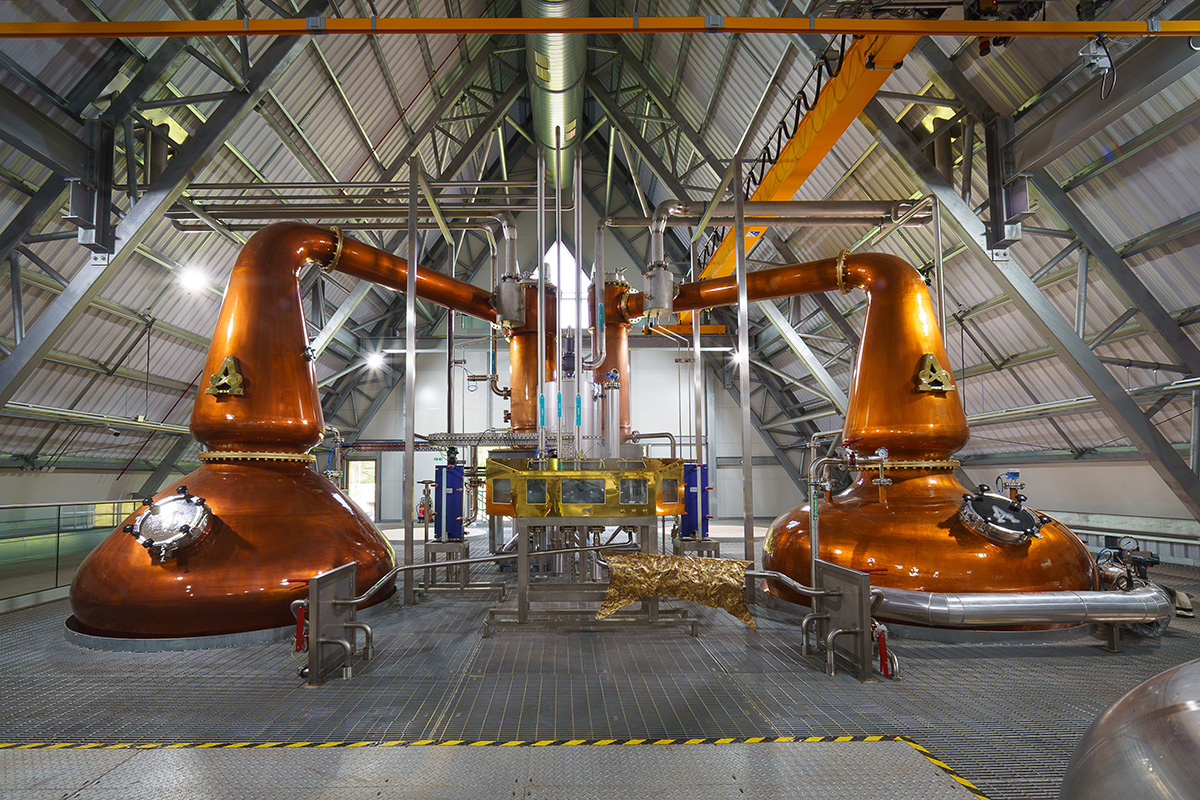
- Have a weather backup plan. Talisker Distillery works in any weather. So does the Museum of Island Life at Kilmuir, a long lunch in Portree, or browsing the shops around Portree harbour.
Read more – how to avoid itinerary planning mistakes in Scotland
The alternatives to Skye: Arran, Harris, and Orkney
Skye gets the most attention, but it’s one of over 130 inhabited islands in Scotland. If you’re open to the idea that another island might suit you better, here are four strongest alternatives.
Arran
Arran is often called “Scotland in miniature” and for once the cliché is accurate. The north of the island is rugged and mountainous, with Goatfell (874m) dominating the skyline. The south is gentle, green, and rolling farmland.
You get Highland and Lowland landscapes on a single island that you can drive around in a couple of hours. Plus the ferry from Ardrossan takes under an hour, and Ardrossan is less than forty minutes by train from Glasgow.
Arran has a strong food and drink scene for its size. The Arran Brewery, Lagg Distillery, and the Isle of Arran cheese shop at Brodick are all worth visiting. Lochranza has the original Arran distillery.
If you like hillwalking, Goatfell has views across to Kintyre, Jura, and on clear days, Northern Ireland.
Arran doesn’t have the volcanic drama of Skye or the beaches of Harris. What it offers is variety, accessibility, and the ability to experience a beautiful Scottish island in a short trip.
Plan a trip to Arran
Harris
If you ask people who’ve visited multiple Scottish islands which one they’d go back to, Harris comes up more than any other and there’s a good reason for that.
The beaches on the west coast of Harris are genuinely stunning. Luskentyre, Scarista, Seilebost are famous white sand, turquoise water, backed by machair grassland and low hills. Harris also feels remote in a way that Skye no longer does. The beaches are often empty, even in summer.
The trade-off is access. You need a ferry from Ullapool to Stornoway on Lewis (then drive south to Harris), or from Uig on Skye to Tarbert on Harris. The crossings take time and need booking in advance, especially for cars in summer. You need at least three nights to make the journey worthwhile. A week is much better.
Harris is a great alternative to Skye if you want beaches, solitude, and genuine remoteness. If you’ve already done Skye and want something different, Harris should be the next island on your list.
Plan a trip to the Outer Hebrides
Orkney
Orkney has the densest concentration of Neolithic sites in northern Europe. If history and archaeology interest you at all, a visit to Orkney must be on your list.
Skara Brae is a 5,000-year-old village, older than the pyramids and remarkably well preserved. The Ring of Brodgar is a stone circle on a narrow strip of land between two lochs. Maeshowe is a chambered cairn aligned so that the setting sun on the winter solstice illuminates the back wall.
The food scene on Orkney is strong. Orkney beef, local cheese, seafood, and a growing gin and whisky industry. Kirkwall and Stromness are small, characterful towns with good restaurants.
Getting to Orkney is by plane (from Edinburgh, Glasgow, Aberdeen, or Inverness) or a long drive to the north coast followed by a ferry from Scrabster or John o’ Groats. You need at least three nights on Orkney, ideally four.
Orkney is a great alternative to Skye if you want history, archaeology, and something that feels genuinely different from the rest of Scotland.
Plan a visit to Orkney
So should you visit Skye?
If you’re visiting Scotland for the first time and you have five or more days, Skye is definitley worth including on your Itinerary. The timing of your visit matters, though. Go outside peak summer if you can, book accommodation well ahead and stay at least three nights.
If you’ve already been to Skye, or if you specifically want remoteness and quiet over dramatic landscapes, Harris is a good choice. If you want a quick island hit, then head to Arran. If you want history and something completely different, Orkney.
Skye isn’t overhyped. It’s just over-visited at the wrong times.
Frequently Asked Questions
Is the Isle of Skye overhyped?
No. The scenery is as dramatic as advertised. The overcrowding in July and August is the real issue, not the island itself. Visit in May, June, or September for a much better experience.
Is Skye worth visiting in the rain?
Partially. The walks and viewpoints lose their impact in low cloud and rain. Skye has indoor options like Talisker Distillery and the Museum of Island Life, but if you only have one day and it’s wet, you’ll be disappointed.
How many days do you need on Skye?
Three nights minimum. This gives you two full days, which is enough for the main highlights with some flexibility for weather.
Can you visit Skye without a car?
It’s possible via bus from Inverness or Fort William. You’ll be confined to Portree and the bus routes, though, which limits what you can see. A car gives you far more flexibility, especially for early-morning starts to beat the crowds.
What is the best month to visit Skye?
May or September. Long enough daylight, far fewer crowds than summer, lower accommodation prices, and the scenery is identical.
If you’re planning a wider Scotland trip, these posts cover the other big planning decisions:
- The Best Time to Visit Scotland
- Scotland Itinerary Mistakes That Waste Your Time
- Best Scottish Islands to Visit (And How to Choose)
Love from Scotland x