

Disclosure: I visited Ben Lawers as a guest of Keela. All opinions are my own.
I recently spent a very wet day on Ben Lawers National Nature Reserve in Perthshire with the National Trust for Scotland and Scottish outdoor brand Keela, learning how the mountain is being restored. Here’s what that work involves, why it matters to Scotland’s landscapes from Ben Lawers to Skye – and how you can help.
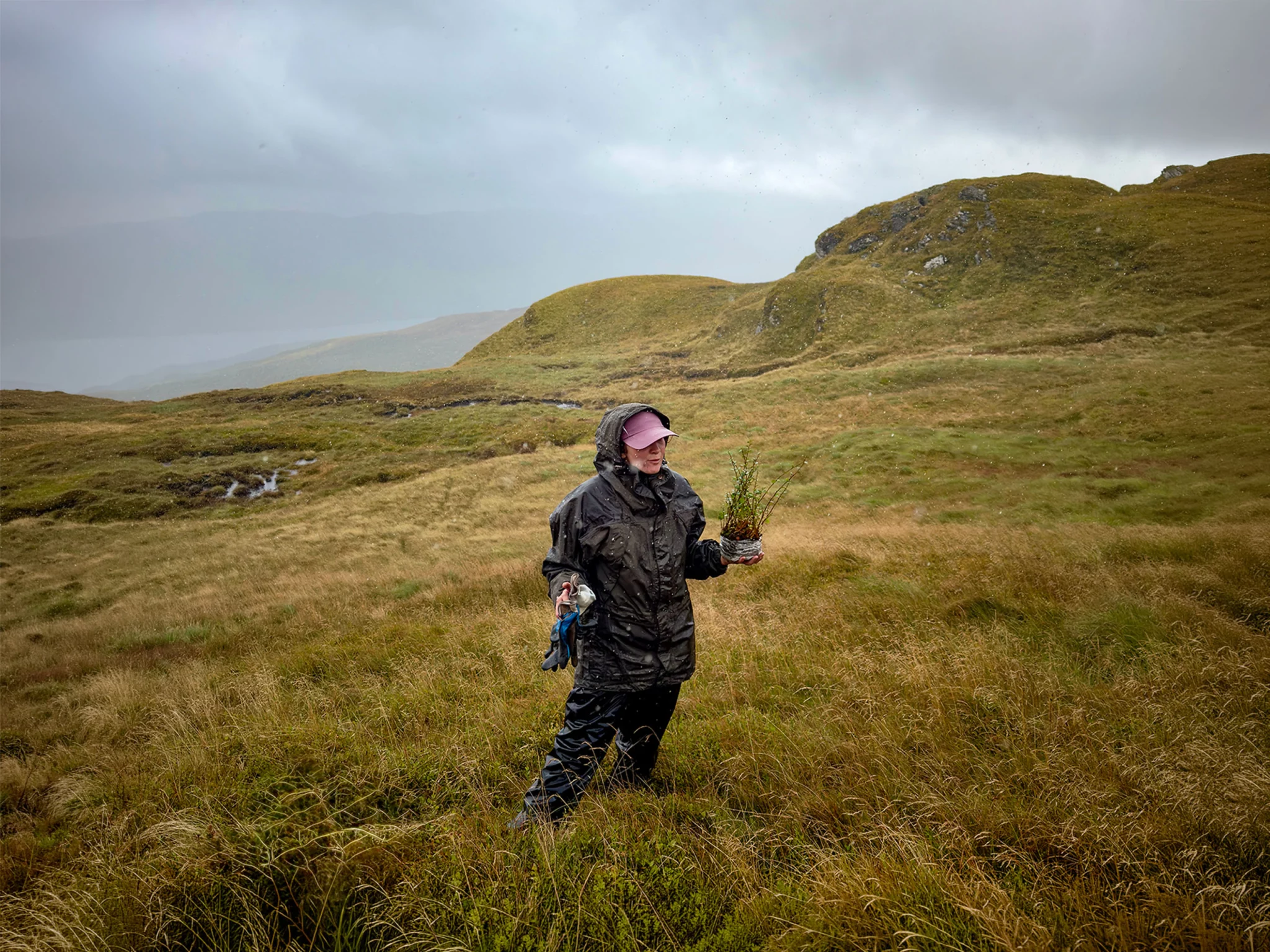
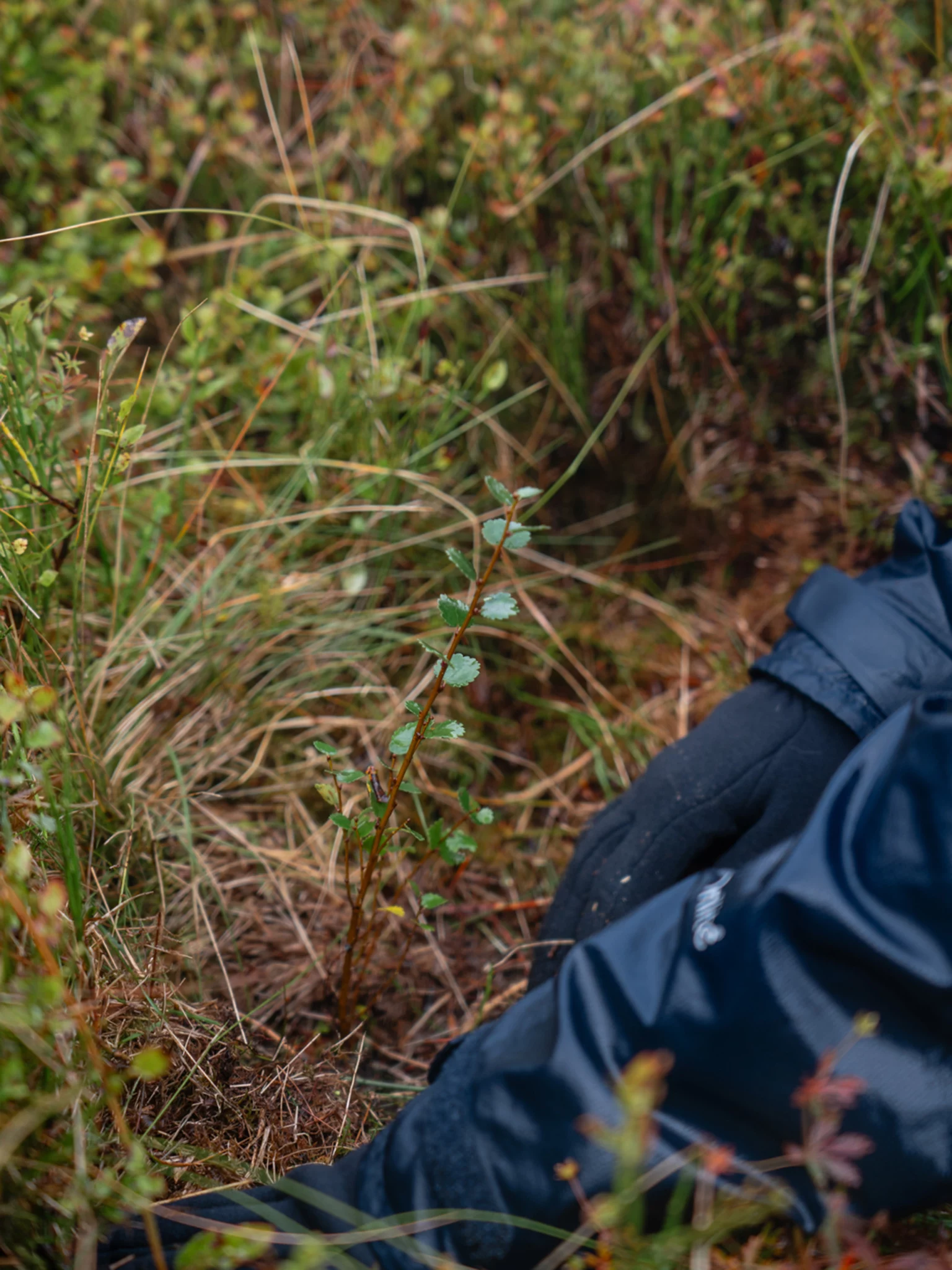
The dwarf birch tree I planted high up on the hillsides of Ben Lawers is about the size of my hand. If it survives the deer and the next few decades of Perthshire weather, it’ll be part of the rarest woodland in Britain.
I’d been up Ben Lawers before. I spent that day with my head down, puffing my way up Beinn Ghlas and on to the summit, and got back to the car four hours later pleased to have ticked off the tenth highest Munro in Scotland.
This visit I wasn’t there to climb the hill, instead i’d been invited by Scottish outdoor brand Keela and the National Trust for Scotland to spend a day exploring the Ben Lawers National Nature Reserve.
In March 2026, Keela and the National Trust for Scotland launched a collaboration called Where Nature Leads, with every sale supporting the Trust’s conservation work, and we were there to see what that work looks like on the ground.
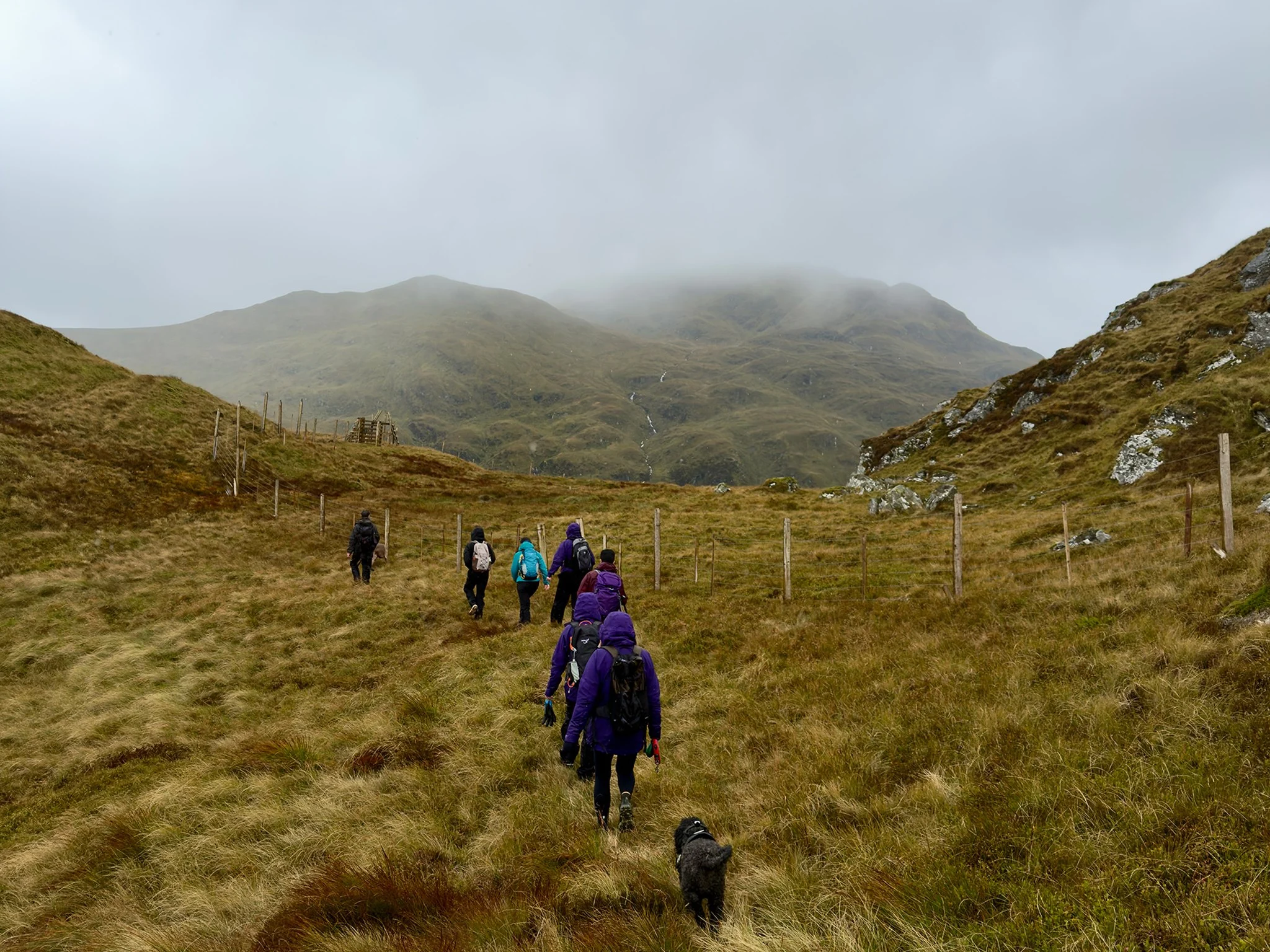
The weather on the hill decided to be horrendous, and on any other day I’d have cancelled and gone to the pub. We put on the waterproofs and went anyway, and it turned out to one of the best days I’ve had on a hill in ages.
Here’s how to mend a mountain.
You might also like: 22 of the best National Trust for Scotland places to visit
What it takes to repair a mountain
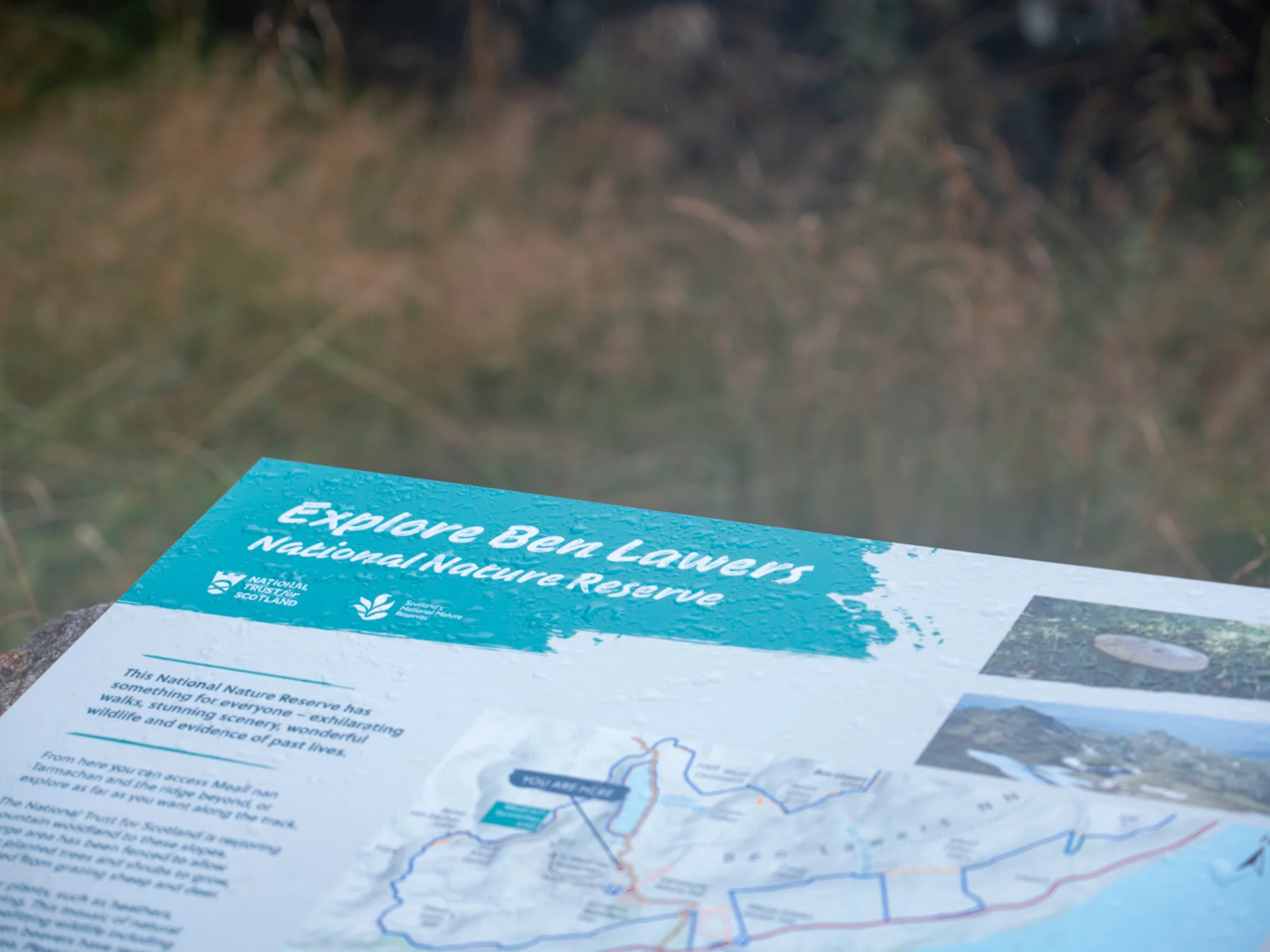
Ben Lawers was the first place the National Trust for Scotland ever bought to protect and restore nature rather than a castle or a garden.
Centuries of sheep and deer have grazed these hills, reducing them to the landscapes we see today. Since 1950, the Trust has now been managing and restoring the National Nature Reserve with the hope of repairing the mountain.
If the day with the Trust and Keela taught me one thing – it’s that repairing a mountain takes a very long time, a lot of planning, a lot of money, and even more paperwork. Here is how they are doing it.
Montane scrub – bringing back Britain’s rarest woodland
At Ben Lawers, more than 1,100 hectares of the reserve has been fenced off from sheep and deer. Inside the fences, the National Trust for Scotland has been bringing back montane willow scrub, the rarest woodland in Britain, which has been almost grazed out of existence.
Only a few hundred hectares survive in the whole country.
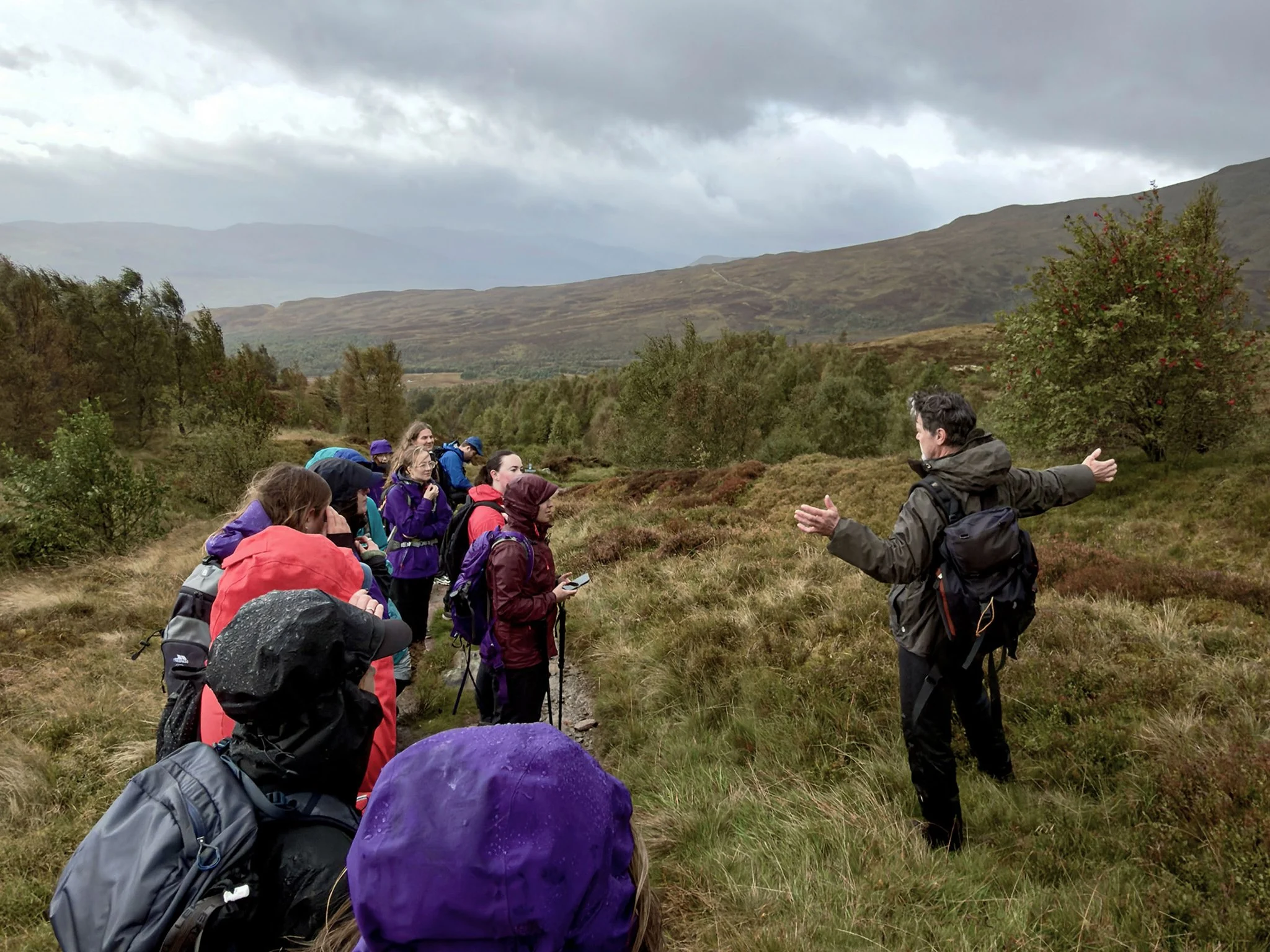
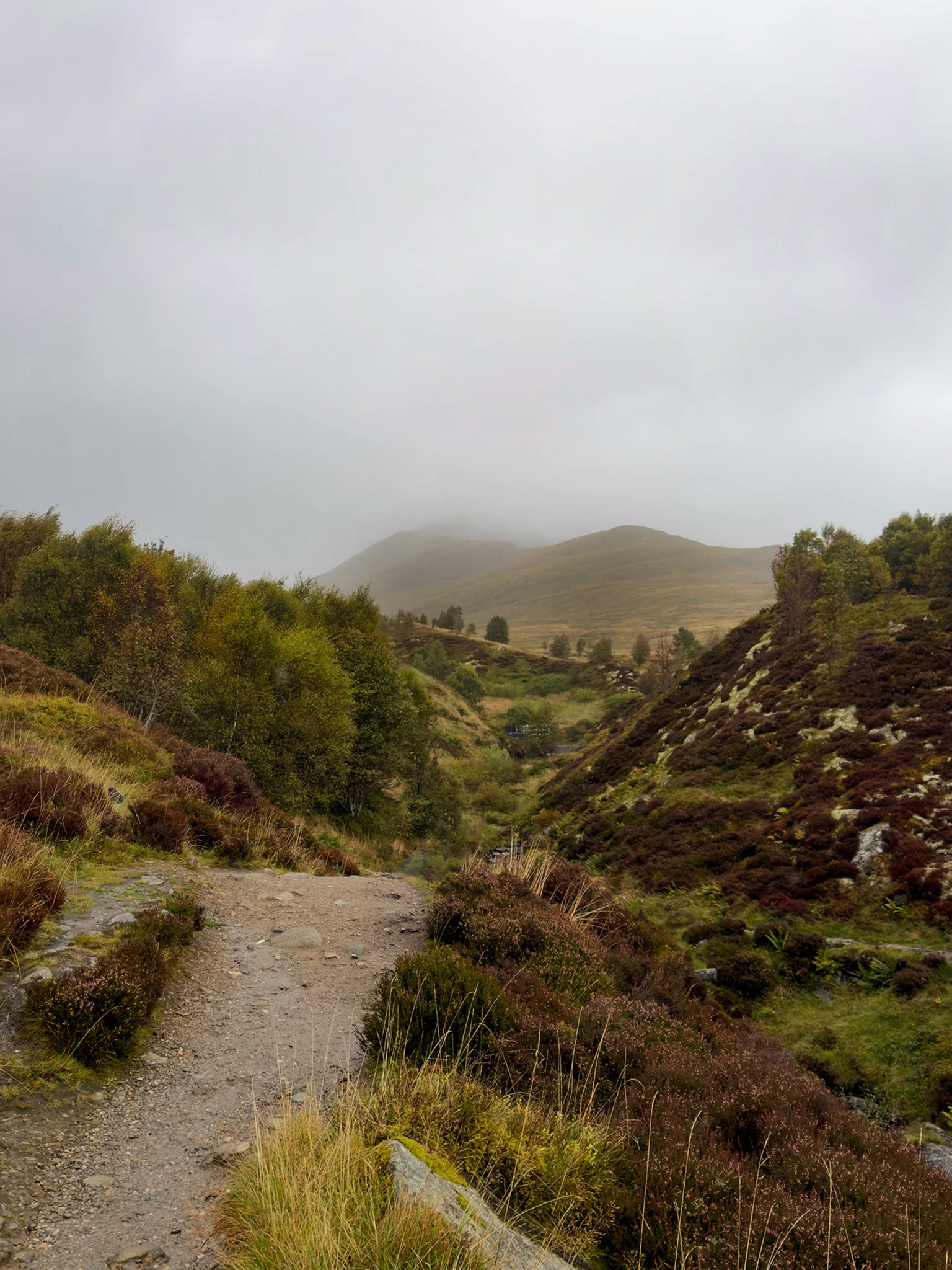
Standing on the hill in the pouring rain, the National Trust for Scotland’s rangers talked us through how slow and complicated woodland restoration is, including the layers of permissions and paperwork involved in bringing back a species that has practically died out on the hill.
Like tree growth, nothing happens very quickly it turns out.
I was lucky enough to be able join in with the restoration work and to plant my own tiny dwarf birch tree high up on the hill.
So, If you do meet a deer fence on your walk, don’t damage it by climbing over it – and close all gates. One gate in a deer fence left open overnight and a few hungry deer can undo years of growth.
They might also eat my tree.
Tiny, rare and right by your boots – restoring Ben Lawers’ alpine plants
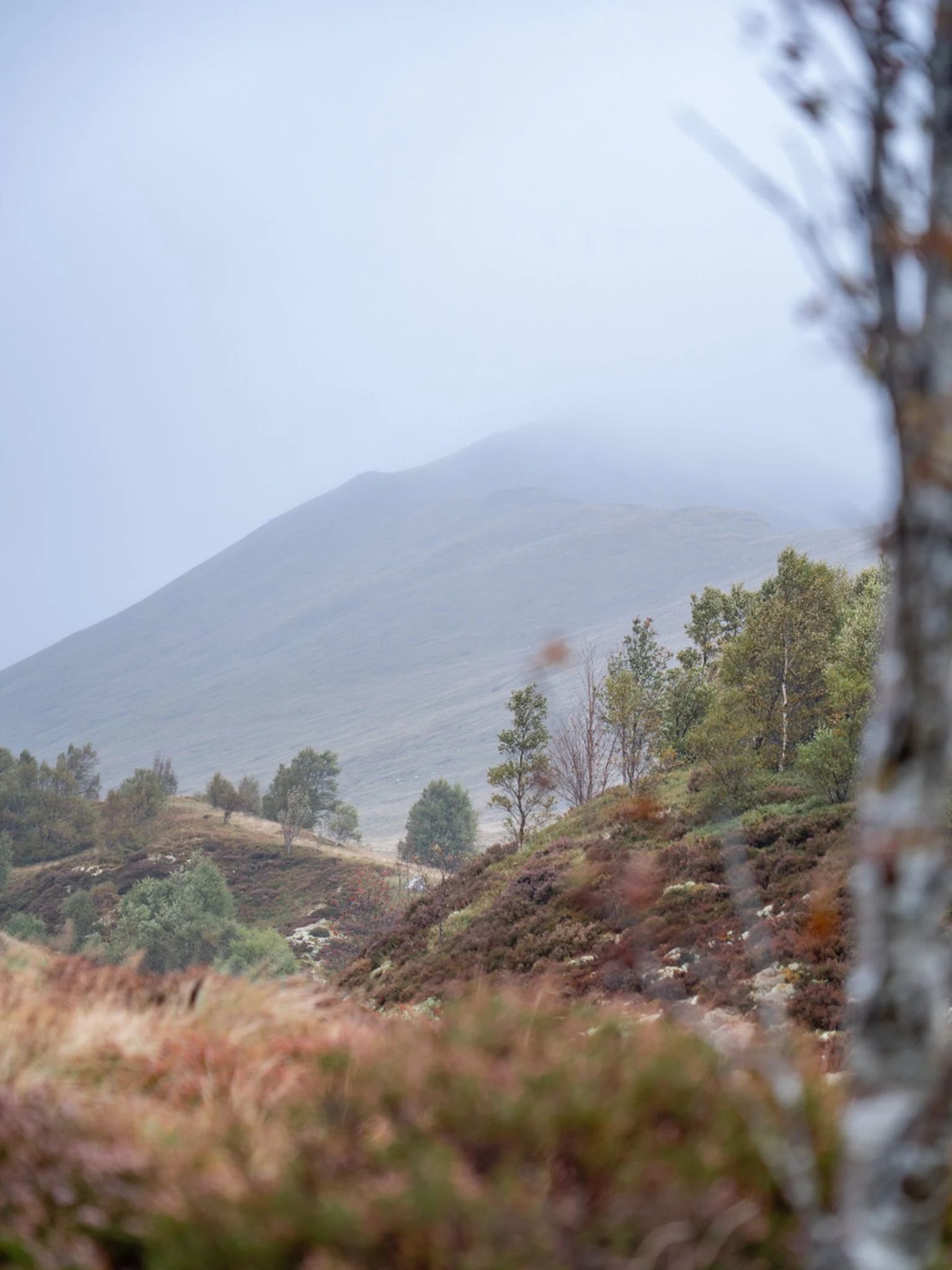
One of the reasons the National Trust for Scotland bought Ben Lawers in the first place was right under our feet. The lime-rich rock here, at this altitude, creates soils that support the largest population of arctic-alpine plants in the UK.
There are around 16 nationally rare flowering plants on the reserve, alongside rare mosses, lichens and liverworts, and a rare butterfly, the mountain ringlet.
Work here has started to reverse the decline of alpine gentian, one of the rarest plants in Britain.
The plants are tiny – so watch where you are walking – and keep to the path. You could stand on a nationally rare one and never know.
In defence of peat restoration
To most hillwalkers, peat bogs are a nightmare. However, peat is one of the most important things on the hill.
When it’s healthy and wet it locks carbon away, but once it dries out and crumbles, it starts leaking it back out, adding to climate change.
On Ben Lawers, trampling and wind have left crumbling brown banks of bare peat, and the National Trust for Scotland has been reshaping them and covering them with mulch, plants and biodegradable matting so they can recover.
Peatland ACTION has before-and-after photos from the reserve, and the difference after a year is huge.
We walkers generally avoid peat bogs, but if you see matting pinned to the ground or an area taped off, walk around it. Never light a fire on peat either, as it can smoulder underground long after the flames are out.
Loved to bits – stopping erosion from Ben Lawers to Skye
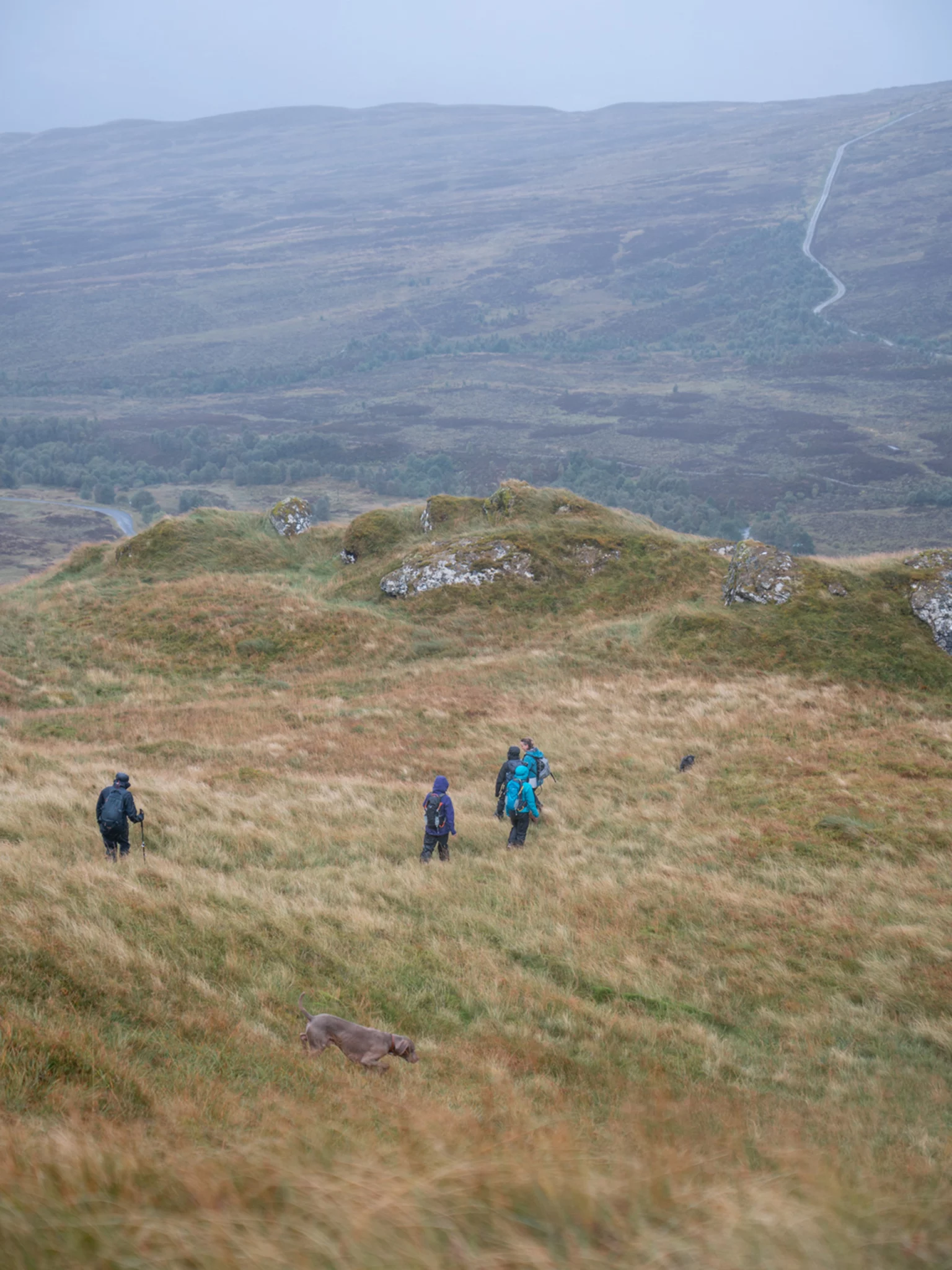
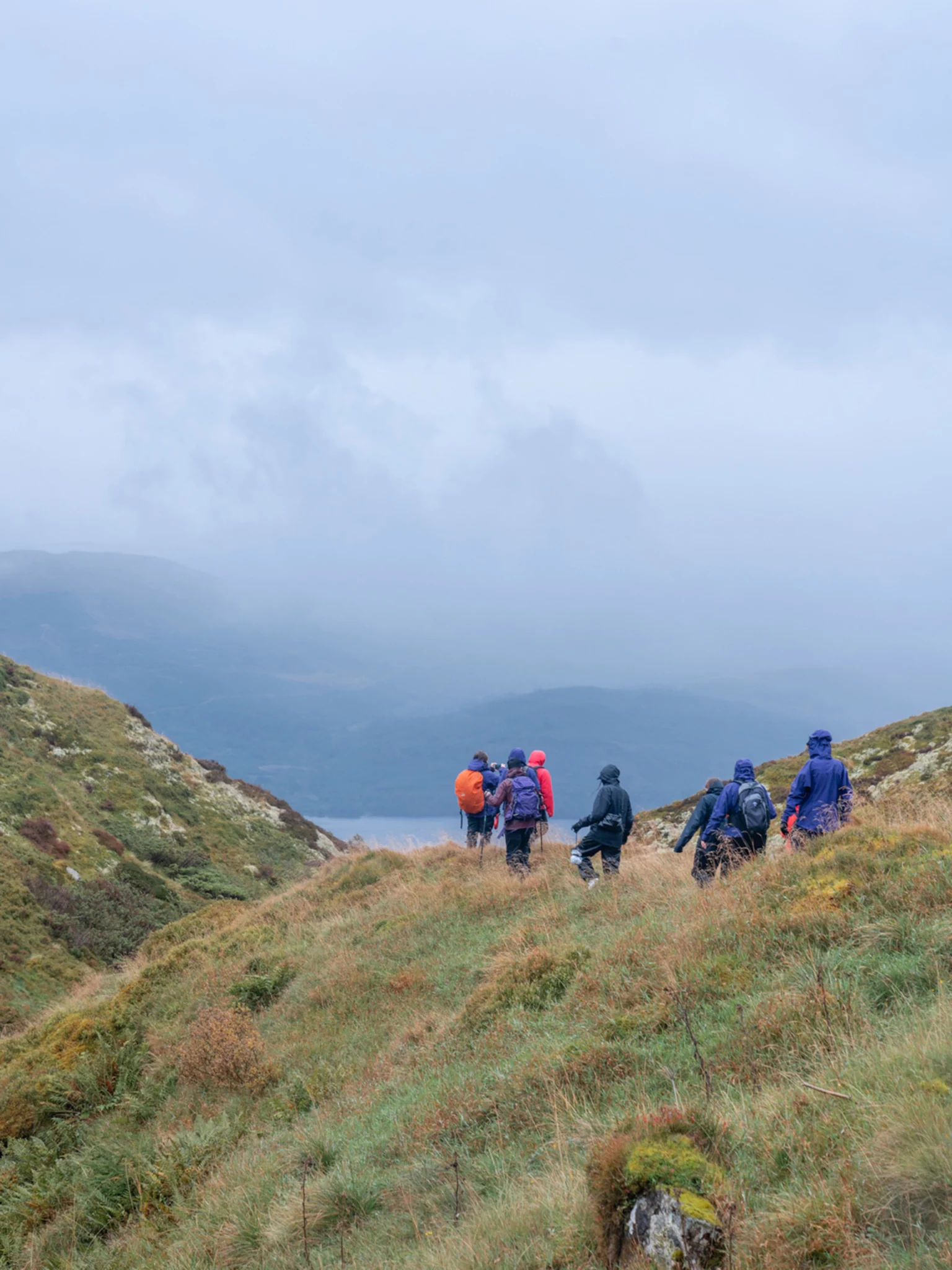
Too many boots are wearing away Scotland’s favourite hills, and Ben Lawers is one of the quieter examples.
More than 40,000 people walk the Ben Lawers hills every year, and every pair of boots does a little more damage. Skye is another story altogether – more than 300,000 people walked to the Old Man of Storr last year.
When a path gets boggy, people step around it, the path widens, the vegetation on either side is trampled, and the rain washes away the exposed soil. Wetter winters and climate change are making it worse.
If you have to go to the main honeypot attractions, my advice is to go early or late in the day, or out of season.
If the car park is full, come back another time rather than parking on a verge, and pay the parking charge without grumbling, because at places like Ben Lawers and the Old Man of Storr it helps pay for the paths and rangers.
For fellow Munro baggers, I’d add one more piece of advice – look up from compleating the list now and again. There’s lots to discover on the lower slopes most of us rush through on the way to the top.
Read more: Is the Isle of Skye overhyped? and How not to be ‘that tourist’ in Scotland.
How can you help protect Scotland’s mountains?
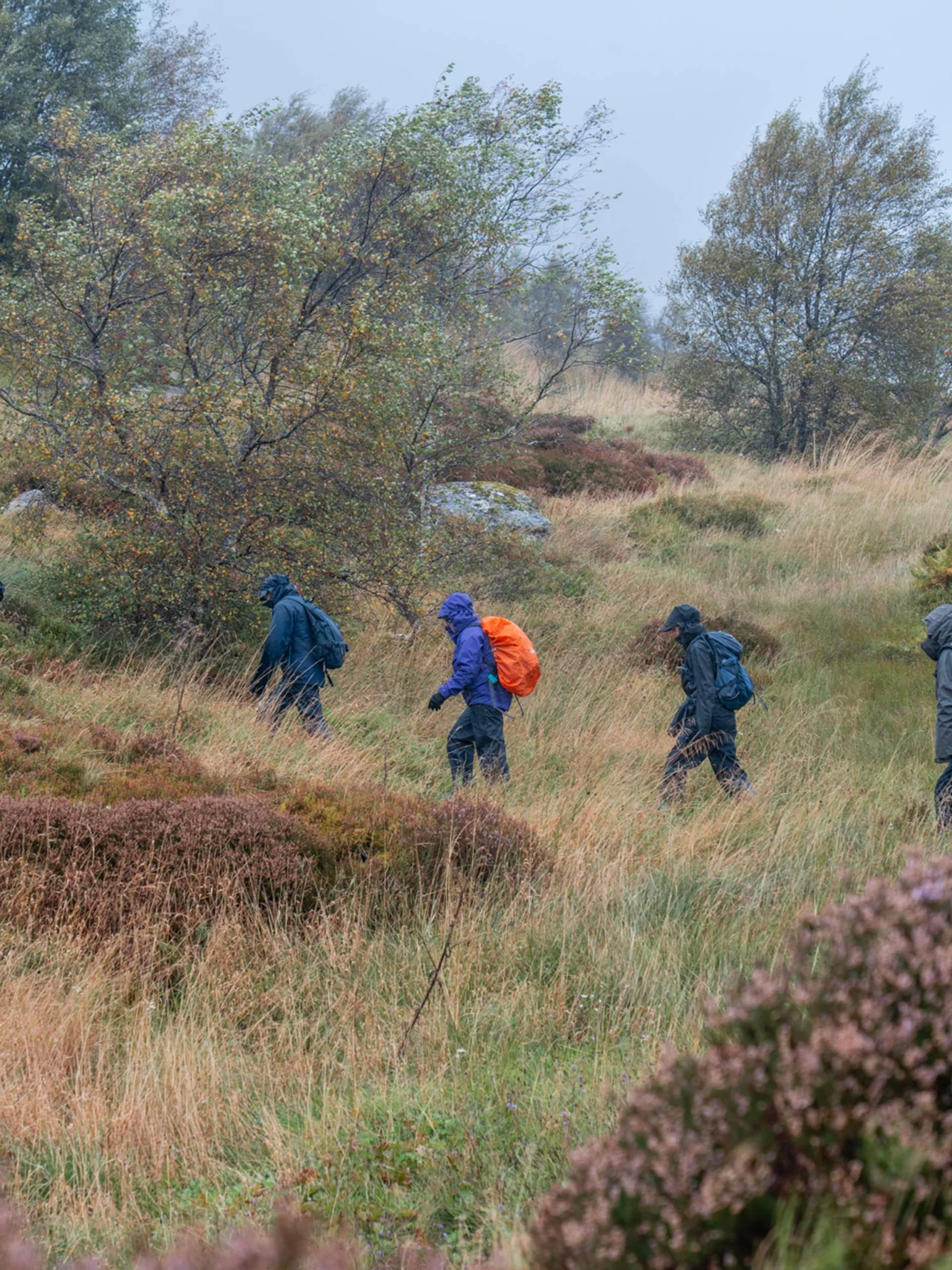
Beyond the simple advice above, the charities doing the repairs need money and volunteers.
A recent audit estimated at least £30 million is needed to repair the 400km of paths in the worst condition, and campaigners are pushing for a £50 million national path fund over the next five years.
Walking tourism is worth an estimated £1.6 billion a year to Scotland, so the lack of funding seems daft to me.
The National Trust for Scotland is working through a five-year path programme across ten of its wildest places, from Ben Lawers to Ben Lomond and Glencoe to Torridon and Kintail.
If you want to help you can join the National Trust for Scotland as a member, or give directly to the Trust’s Footpath Fund which pays for the stone steps under your boots on its hills.
You can also donate to the It’s Up to Us campaign and help choose its next project. Trees for Life also runs volunteer weeks at Ben Lawers, where you can plant willows and repair paths yourself.
Keela’s Where Nature Leads range helps too. It’s a 16-piece collection, from packaway waterproofs, gilets and hiking trousers to scarfs and caps. My favourites are the T-shirts, each inspired by a place in the Trust’s care, from Glencoe and Ben Lomond to Staffa and St Kilda.
Every purchase supports the Trust’s conservation work, and you can find the range at Keela and the National Trust for Scotland shop.
So what did I learn on Ben Lawers?
The mountains won’t fix themselves – and they need our help.
I’ll still be out bagging the Munros, but maybe I won’t moan about the muddy bits quite so much. The people fixing these hills are out in weather like this all year, and the least I can do is stay on the path.
Driving home along Loch Tay with the heater on full, I also kept thinking about the wee birch tree I’d left up there in the rain. I hope it makes it.
Thanks to Keela for inviting me, I’m a dedicated fan – their gear keeps my dry and wrapped up, whatever the weather Scotland throws at me.
Kate – Love from Scotland x
Ben Lawers restoration: FAQs
Why is Ben Lawers important?
Ben Lawers National Nature Reserve has the largest population of arctic-alpine plants in the UK, including around 16 nationally rare flowering plants. It was the first property the National Trust for Scotland bought mainly to protect nature, in 1950.
What is montane scrub?
Montane scrub is a band of dwarf willows and shrubs that naturally grows between the treeline and the bare mountaintops. It’s Britain’s rarest woodland, and only a few hundred hectares survive in Scotland. Ben Lawers has some of the largest restored areas in the country.
How can I help protect Scotland's mountain paths?
Stay on the path, even when it’s muddy, close gates in deer fences, don’t move or stack stones, and never light fires on peat. You can also buy geer from the Keela X National Trust for Scotland range, donate to the National Trust for Scotland’s Footpath Fund or the It’s Up to Us campaign, or volunteer with Trees for Life at Ben Lawers.

Leave a Reply