

Many of the places we visit in Scotland depend on charities, trusts and people to support them.
This Christmas, here are 100 Scottish charity Christmas gifts that give back – an ethical alternative to the usual presents, whether the person you’re buying for lives here or just loves visiting.
Adopt an osprey or a wildcat, plant a tree in Glen Affric in someone’s name, or give a year’s membership of a charity. Book a night at a community-owned pub or hotel for the new year or a week’s volunteering for someone who would rather have an adventure than a present. Buy the presents you were going to buy anyway from the social enterprises that put their profits back.
These are the gifts that don’t need wrapping. For the ones that do, see my sustainable Scottish Christmas gift guide, with nearly 190 gifts made in Scotland.
A hundred presents that give something to Scotland as well as to the person opening them.
Pick a way to give back to Scotland this Christmas
Adopt a Scottish animal as a Christmas gift 13
↑ Back to filtersAn animal adoption is a donation to the charity that looks after that animal, with a certificate and a pack in return. Adopting an osprey supports the Scottish Wildlife Trust's work at Loch of the Lowes, where the nest is watched day and night each spring, and adopting a puffin or a gannet supports the Seabird Centre's conservation work on the Forth.
The wildcat, otter and reindeer adoptions support a breeding programme, a rescue centre on Skye and a free-ranging herd. Most packs can be posted straight to the person, with a message from you.
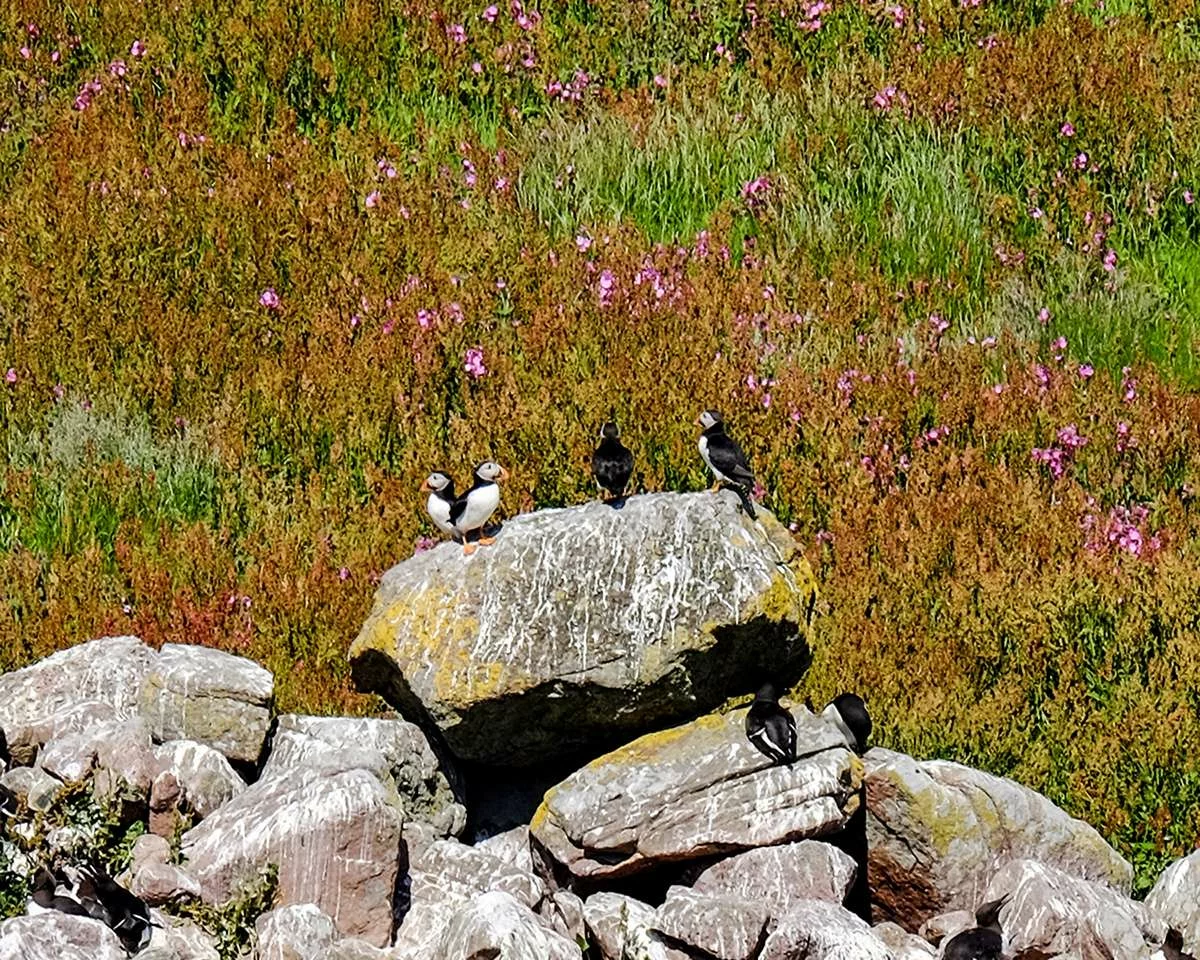
Adopt a puffin
From £32Scottish Wildlife Trust
Puffins spend the winter out at sea and come ashore from April to July to nest in burrows on islands like Handa, the Scottish Wildlife Trust reserve off the Sutherland coast. The adoption pack is plastic-free, with a certificate, a fact file, a tote bag, a coaster and a visitor centre ticket, and there's a seal pup version for under-twelves. From £32.

Scottish Wildlife Trust
Ospreys were wiped out in Scotland by 1916 and found their own way back in the 1950s. They have bred at Loch of the Lowes near Dunkeld since 1971, and the Trust runs a round-the-clock nest watch each spring. The adoption pack, new for 2026, has a certificate in the recipient's name, a fact file, a tote bag and a visitor centre ticket; beaver, otter and red squirrel are the same price.

Sponsor a Highland wildcat
£5 a month or £60Saving Wildcats (RZSS)
The Scottish wildcat is Britain's only native cat and is close to extinct in the wild, bred out by domestic cats. Saving Wildcats breeds them at the Highland Wildlife Park and has been releasing them into the Cairngorms since 2023. Sponsoring one, at £5 a month or £60 as a single gift, funds the breeding and the tracking, with a certificate, a pack and a quarterly newsletter.
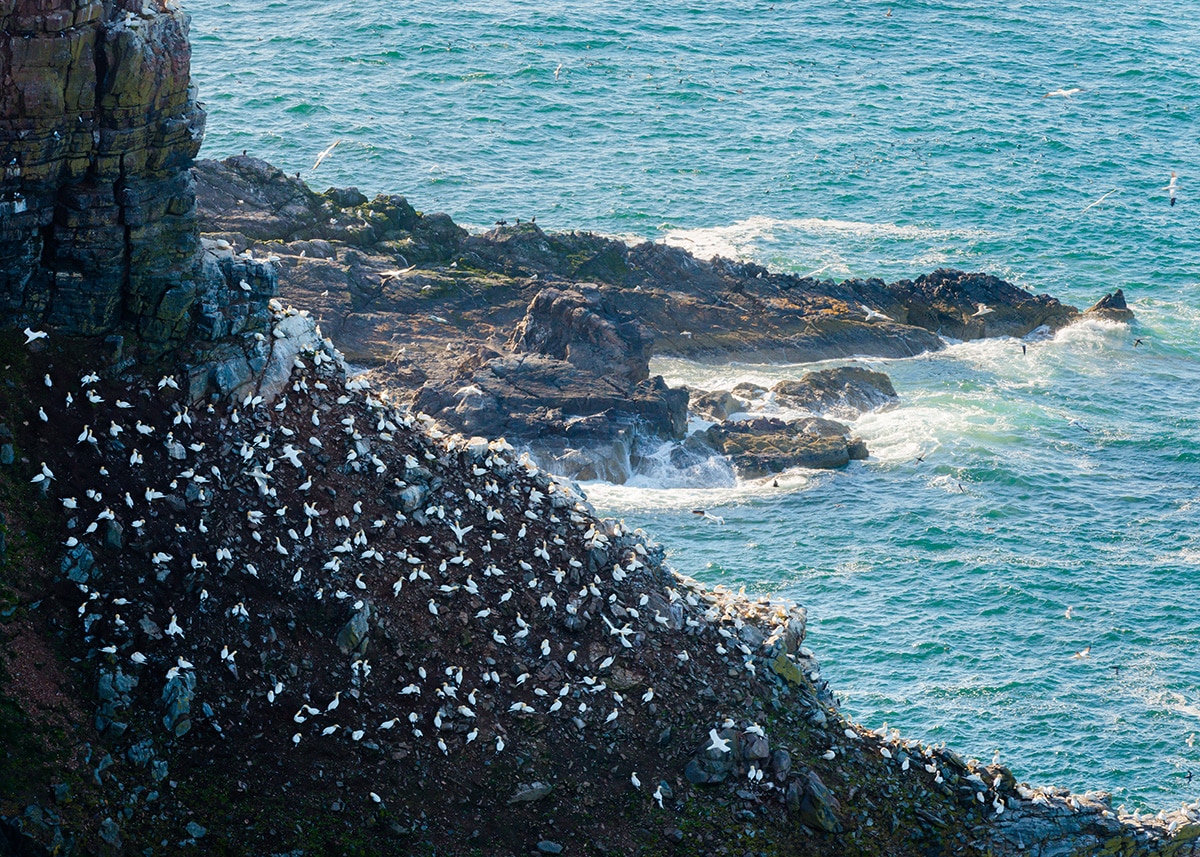
Scottish Seabird Centre
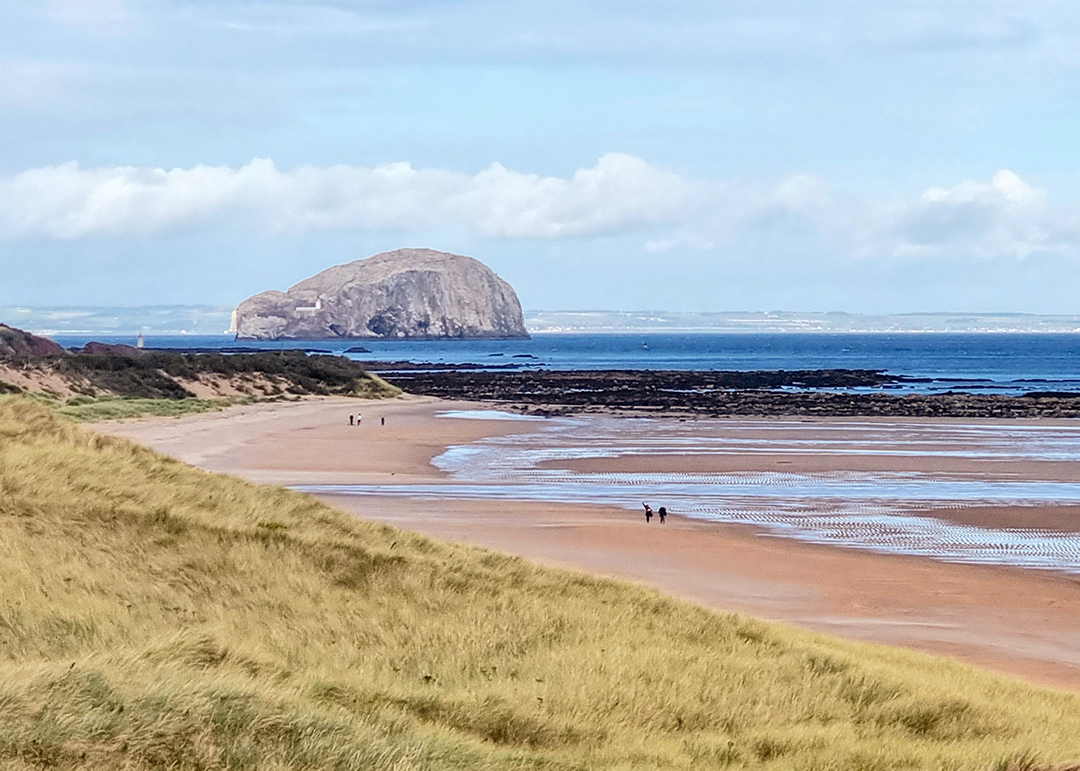
The Bass Rock, the volcanic plug off North Berwick, holds the largest colony of northern gannets in the world, and the Scottish Seabird Centre in the town is the conservation and education charity that keeps watch on them and on the puffins of the Forth islands, with live cameras on both. Adopt a gannet, a puffin or a grey seal and you get a certificate, a fact sheet, postcards and a cuddly toy.
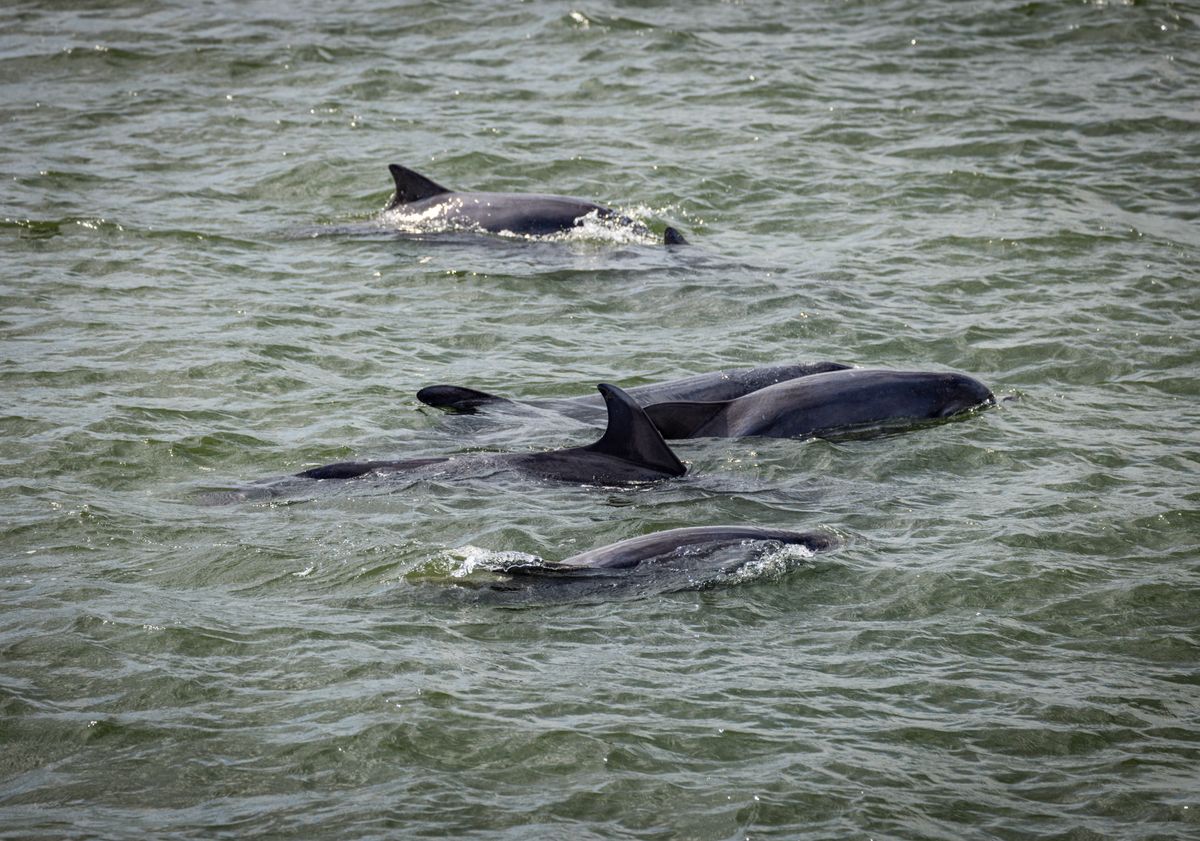
Adopt a Moray Firth dolphin
See siteWhale and Dolphin Conservation
The bottlenose dolphins of the Moray Firth are among the most northerly in the world, and you can watch them from the shore at Chanonry Point and Spey Bay. Whale and Dolphin Conservation runs the centre at Spey Bay, and adopting Charlie or Rainbow brings a certificate, a pin badge, a car sticker and four magazines a year, with a junior version for under-thirteens.
International Otter Survival Fund
The International Otter Survival Fund runs an otter rehabilitation centre in Broadford on Skye and has cared for 270 otters, and is one of the world's leading authorities on the animal. The adoption gift box is £35.99, there's an instant e-voucher, and the money goes to the rescue work and research.
Hessilhead Wildlife Rescue Trust
Hessilhead, near Beith in Ayrshire, is a wildlife hospital that has run for more than thirty-five years and takes in around three thousand casualties a year, from hedgehogs and owls to seals and deer. Thirty pounds sponsors a real patient, with a photo and progress reports as it recovers.

Royal Zoological Society of Scotland
The Highland Wildlife Park at Kincraig keeps the animals that suit a Cairngorm winter: polar bears, snow leopards, wolves, lynx, wolverines and Scottish wildcats, in big hillside enclosures. Adoptions run from a £25 digital pack upwards, with the recipient's name on the enclosure board from the £90 level, and the money funds RZSS's conservation work.
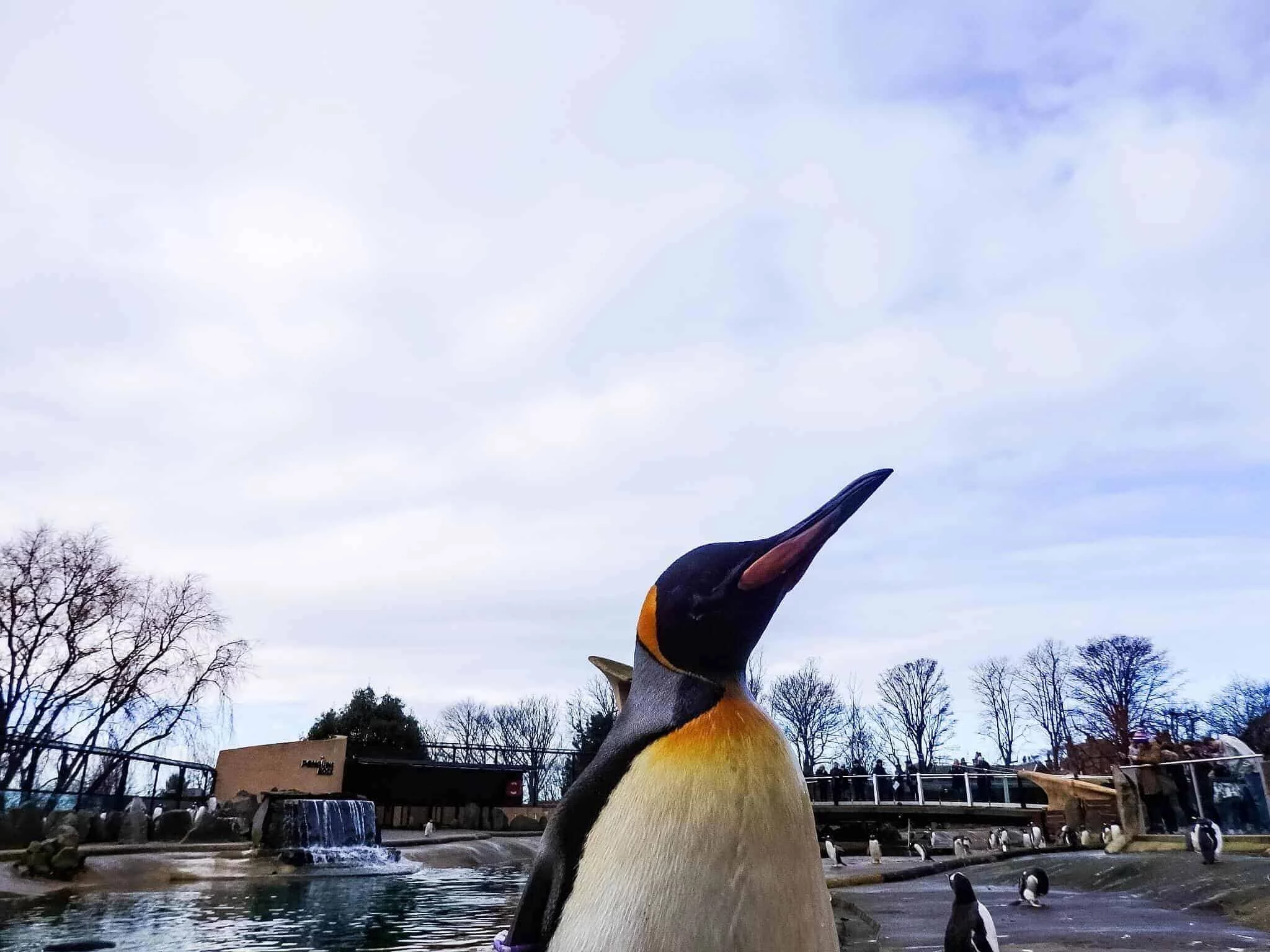
Royal Zoological Society of Scotland
Penguins have been at Edinburgh Zoo since 1914, and it was the first zoo in the world to breed king penguins. The Cub pack adopts a gentoo penguin, a wildcat or a Highland cow for a year, with a photo, a certificate carrying your own message, stickers and activity pages. The charity runs the zoo and the Highland Wildlife Park.
Sponsor a Hebridean minke whale
From £48Hebridean Whale and Dolphin Trust
Minke whales are the whale you're most likely to see off the west coast in summer, and the Hebridean Whale and Dolphin Trust in Tobermory has surveyed them from its research yacht since 1994. Sponsoring one, from £48 a year, funds the surveys, with a certificate, a mounted photo and an ID guide to what you might see from the ferry.
Adopt a Cairngorm reindeer
£47 a yearCairngorm Reindeer Herd
Reindeer were brought back to Scotland in 1952 by Mikel Utsi and Ethel Lindgren, with animals from the Swedish mountains, and the herd still roams free on the Cairngorm plateau. Adopting one brings a certificate, a photo, two newsletters and a free visit to the herd near Aviemore, and the money goes on their upkeep.
Adopt a red squirrel
£19.99Trees for Life
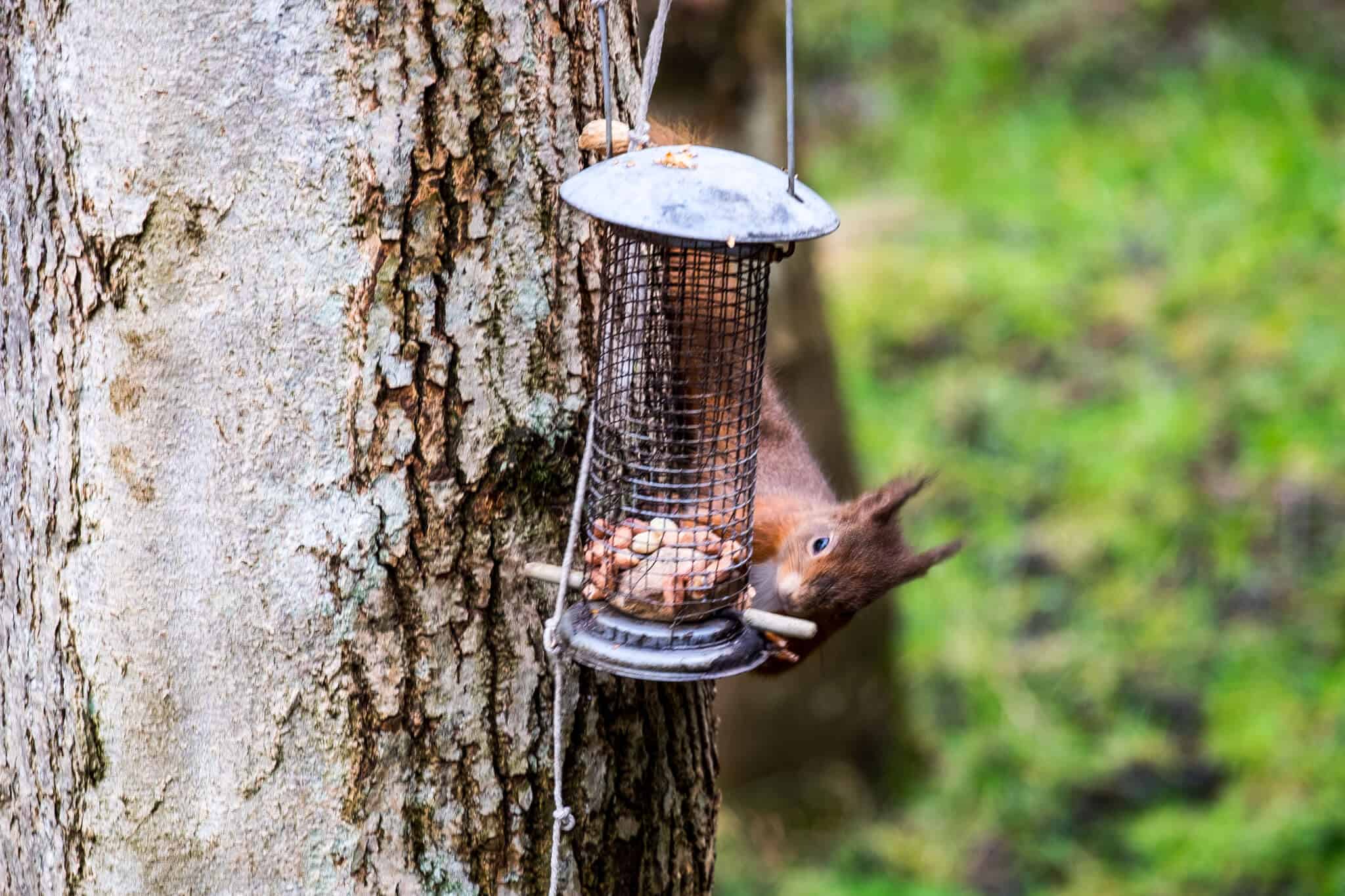
The Highlands are home to around three-quarters of Britain's red squirrels, and Trees for Life has been moving them into Highland woods where they'd died out. The adoption pack has a certificate, a fact sheet and an enamel pin badge, and funds the wild forest they need. Children tend to want the badge.
Blair Drummond Safari Park
The child adoption pack from the family-run safari park near Stirling has a soft toy, a poster, a notebook and a ticket to visit. A fifth of the price goes to their conservation fund.
Plant a tree in Scotland 3
↑ Back to filtersOnly a fraction of Scotland's original native woodland survives, and the charities replanting it grow their trees from seed collected in the same glen. Dedicating a tree pays for the seedling, the planting and the fencing that keeps the deer off it.
You get a certificate, and a Scots pine, a birch or a rowan is planted in the Caledonian Forest, on Arran or in the Trossachs.

A tree planted in the Caledonian Forest
From £17.99Trees for Life
The Caledonian Forest once covered most of the Highlands and only remnants are left, old Scots pines with nothing growing beneath them because the deer eat every seedling. Trees for Life has been planting and fencing new woodland in Glen Affric since the 1990s and at Dundreggan since it bought the estate in 2008. A tree in someone's name comes with a certificate, and you can add extra trees for £6 each.
Dedicate a tree on Arran or Ben Lawers
From £7.50National Trust for Scotland
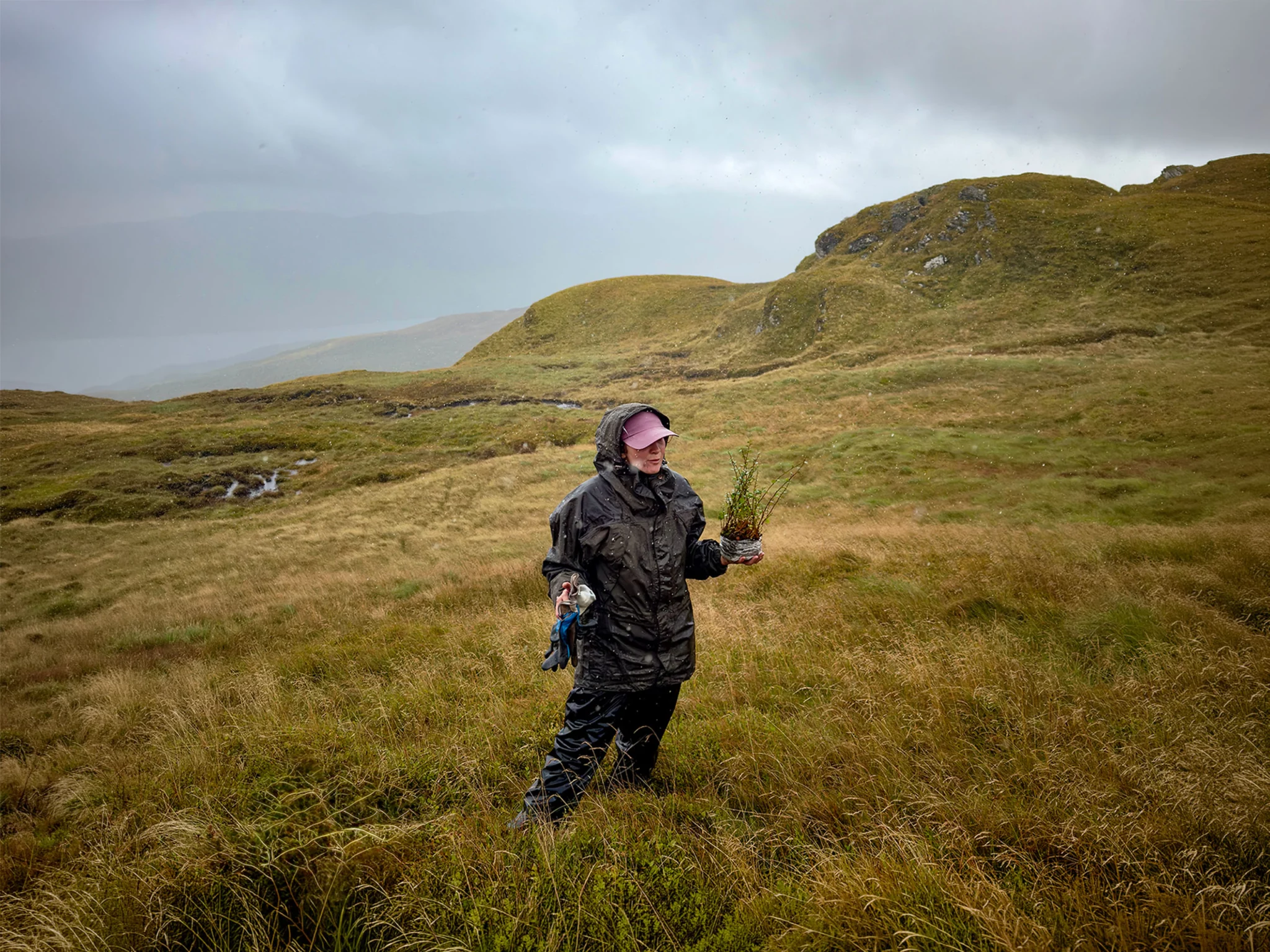
Ben Lawers should have woodland running up its lower slopes into a band of mountain willows, and centuries of sheep grazing took nearly all of it. The National Trust for Scotland has spent thirty years fencing the sheep out and planting birch, hazel, aspen and the endangered downy willow. Glen Rosa on Arran, home to the Arran whitebeams, is being replanted the same way. A dedication from £7.50 pays for a tree and brings an emailed certificate and a named entry in their online woodland.
Woodland Trust Scotland
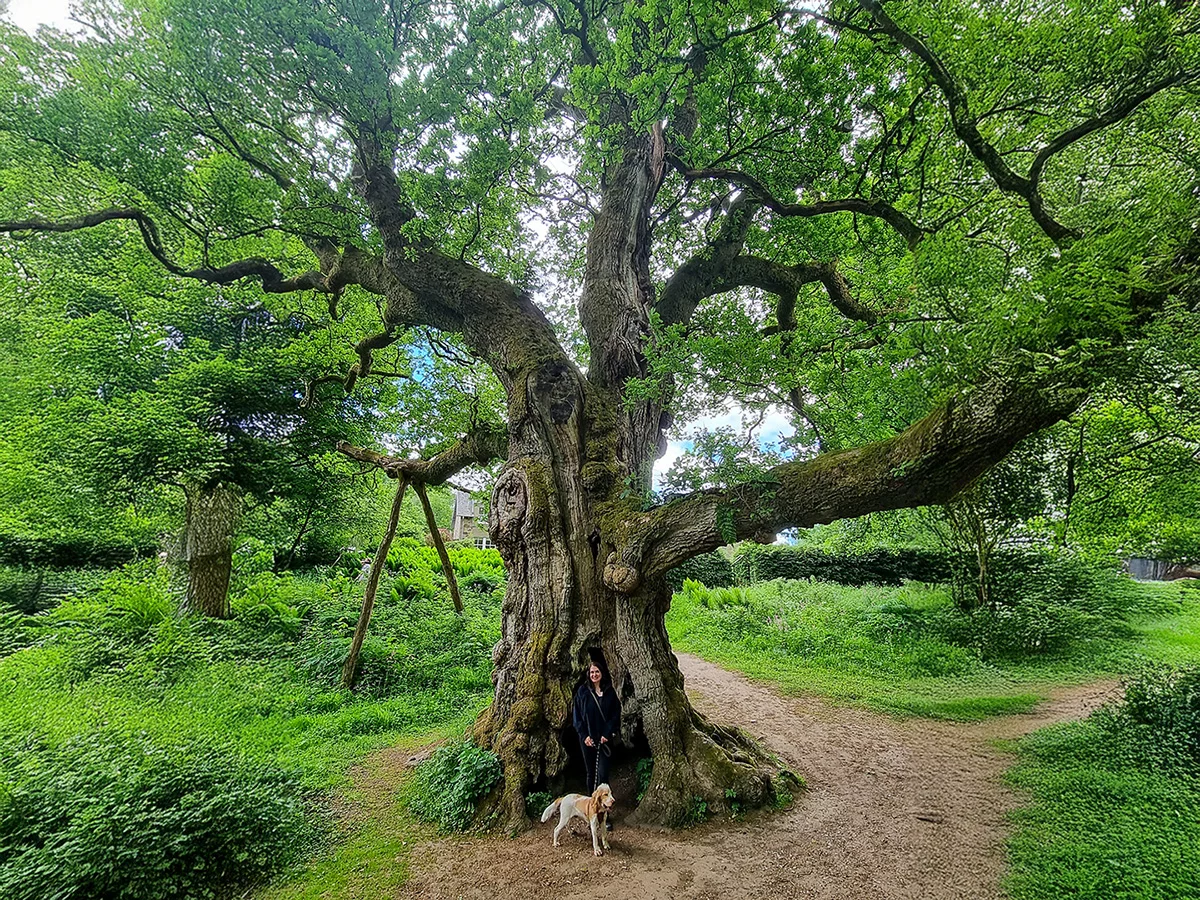
The Woodland Trust looks after Glen Finglas in the Trossachs, the biggest site it owns, and the ancient pinewood at Loch Arkaig in Lochaber, where it is clearing the non-native trees to let the native forest back. Twenty pounds dedicates a tree with a certificate, a message and a map of the wood, and you choose the wood from more than fifty across the UK.
Scottish wildlife charity gift memberships 7
↑ Back to filtersScotland's wild places are mostly looked after by charities. The Scottish Wildlife Trust looks after more than a hundred reserves, the John Muir Trust cares for Ben Nevis, Schiehallion and Sandwood Bay, and the Mountain Bothies Association keeps around a hundred shelters open with volunteer labour.
A membership gives them an income they can plan around, and it usually comes with a magazine, free entry to the visitor centres and an invitation to the work parties.

Mountain Bothies Association
The Mountain Bothies Association keeps around a hundred simple shelters open, most of them in Scotland, free to anyone who walks in, and every one is maintained by volunteers paying their own way to work parties. Membership is £25 a year with the newsletter and the chance to join one, and gift vouchers are sold in the online shop.

Scottish Wildlife Trust
The Scottish Wildlife Trust looks after more than a hundred reserves, from the ospreys at Loch of the Lowes to the puffins on Handa and the Falls of Clyde, and membership is the income that keeps the wardens on them. It brings the magazine three times a year, a guide to the reserves and free entry to the visitor centres. From £48 a year by direct debit; £52 individual, £56 joint, £65 family paid annually.
A year's membership of the John Muir Trust
£3.83 a monthJohn Muir Trust
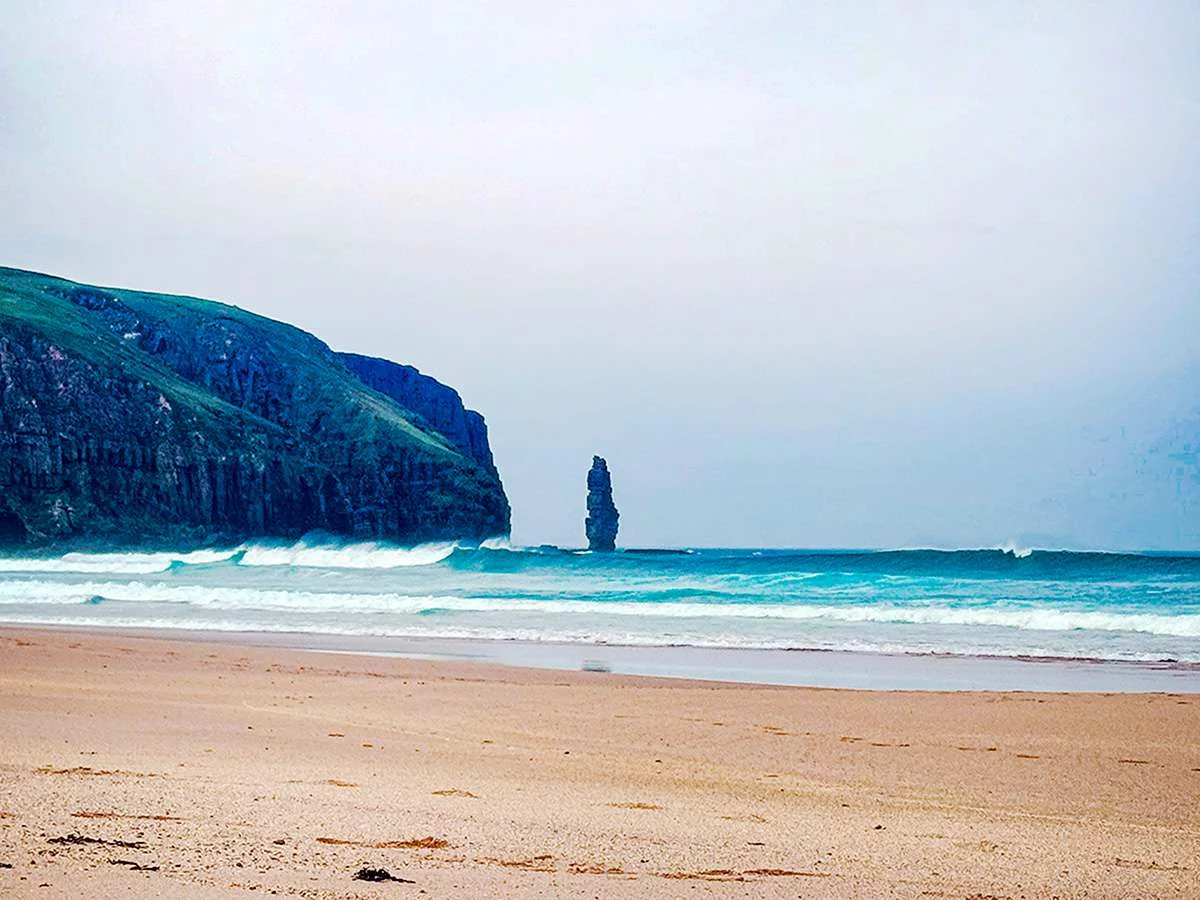
The John Muir Trust cares for Ben Nevis, East Schiehallion, Sandwood Bay, Quinag and Glenlude, and manages them for wildness: fewer deer, more trees, paths repaired by hand. Membership, from £3.83 a month, pays for that work and brings a journal twice a year and a welcome pack sent to whoever you choose.
A year's membership of the Bumblebee Conservation Trust
From £18 a yearBumblebee Conservation Trust
Two of Britain's bumblebees have gone extinct in the last century and the great yellow bumblebee now survives only in the far north-west of the mainland, Orkney and some of the Hebrides. The Trust, based in Stirling, surveys them, restores the flower-rich grassland they need and advises farmers and crofters. Youth membership is £18.
Scottish Seabird Centre
The Scottish Seabird Centre in North Berwick is a conservation and education charity, with live cameras on the Bass Rock gannets and the puffins of the Forth islands running in the centre. Junior membership is £30 for the first year and £20 after, and a gift membership comes with a puffin or seal pack.
Fair Isle Bird Observatory Trust
Fair Isle, halfway between Orkney and Shetland, is one of the best places in Europe to see migrating birds, and the observatory founded by George Waterston has counted them for more than seventy-five years. It burned down in 2019 and reopened in 2025. £24 a year as a Friend brings the annual report and first call on the rooms, and keeps the counts going; £10 for the digital version.

Scottish Ornithologists' Club
The SOC is Scotland's own bird club, and its records and surveys are what the conservation decisions get made on. Membership brings Scottish Birds four times a year, a local branch of talks and outings and the library at Waterston House on Aberlady Bay. £50 a year, £42 digital, £15 for juniors.
Scottish heritage, museum and arts gift memberships 11
↑ Back to filtersA year's membership of Historic Scotland or the National Trust for Scotland pays for itself in three or four visits, and the money goes on the stonemasons, gardeners and rangers who look after the castles, abbeys and gardens. The Friends schemes at the smaller museums and the arts companies work the same way on a smaller scale: a few pounds a month in return for free entry or discounts, and a charity that can budget for next year.
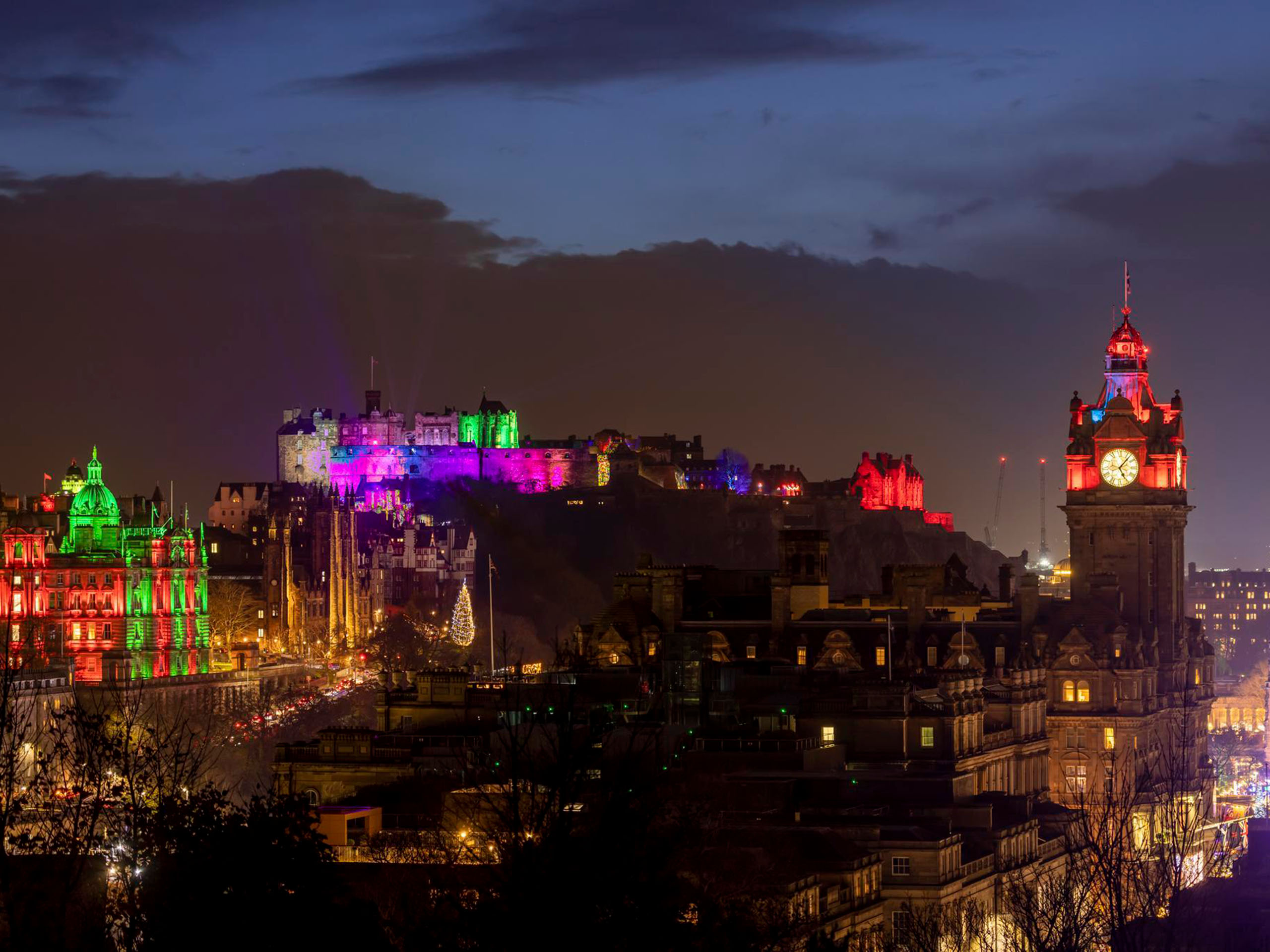
Historic Environment Scotland
Historic Scotland looks after the castles, abbeys, brochs and standing stones in state care, and membership pays for the stonemasons who keep them standing. A gift membership gets someone into more than sixty ticketed sites for a year, from Edinburgh Castle to Skara Brae, as a posted pack with their cards, the handbook and your message. £43 for 16 to 24s, £57.50 concession, £72 adult, £77 with up to six children.
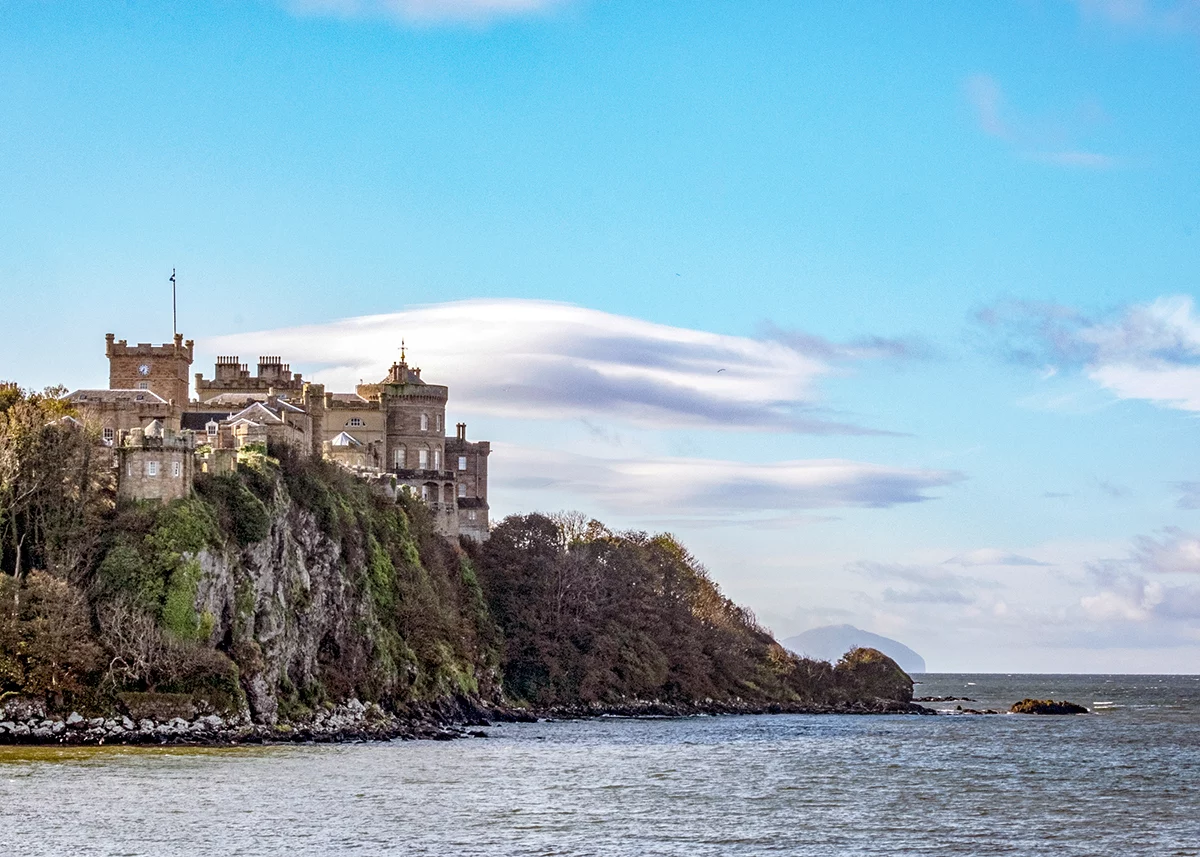
A year of Inverewe, Crathes and every NTS garden
From £5.55 a monthNational Trust for Scotland
The National Trust for Scotland was set up in 1931 to hold places for the nation, and it now looks after Glencoe, Culzean, Inverewe, Crathes, Ben Lawers and a hundred more, on membership money. A gift membership is emailed on the spot with a temporary card and a parking pass, and opens all of them for a year, from £5.55 a month.

Royal Botanic Garden Edinburgh
The Royal Botanic Garden Edinburgh is a research institute as much as a garden, with scientists working on plant conservation from Nepal to the Hebrides, and its four gardens, Edinburgh, Benmore, Dawyck and Logan, run on membership and the entry fees at the three outside the capital. Gift membership covers all four for a year, with money off courses and the winter light trail. £50 individual, £71 joint.
National Museums Scotland
The National Museum on Chambers Street is free to enter, so the money for the exhibitions and the collections comes from members and donors. A year's membership gives free entry to the paid exhibitions and previews at the National Museum, the Museum of Flight and the Museum of Rural Life, with the Explorer magazine, as an emailed gift code. £50 individual, £60 joint, £72 family; if the online shop says sold out, phone 0131 247 4294.
National Galleries of Scotland
The national collection of Scottish art, from the Colourists to the Glasgow Boys, is free to see, and the Friends pay for the exhibitions and the conservation work. A year's Friends membership gives free entry to every exhibition at the National, Portrait and Modern galleries, previews and talks, ten per cent off the shops and cafés, and up to four under-eighteens in free with you. £25 student, £50 solo, £65 duo.
Royal Scottish Geographical Society
The Royal Scottish Geographical Society was founded in 1884 to support Scottish exploration, and it holds a remarkable collection of maps and explorers' papers in Perth. Membership funds the archive and the education work and brings The Geographer magazine every quarter, with free or discounted entry to the Inspiring People talks all over Scotland. £60 single, £90 joint, £25 for students.

Scottish Crannog Centre
The Iron Age village on Loch Tay burned down in June 2021 and the charity behind it rebuilt it at Dalerb, with apprenticeships for young people as part of the project. Friends membership is £33 for a year of visits, a hot drink voucher and ten per cent off, and keeps the apprenticeships going.
Scottish Maritime Museum
Scotland built the ships of the world, and the museum on Irvine harbour and the Denny ship model tank in Dumbarton, where the Clyde's hulls were tested, are where that story is kept, by a charity rather than the state. Twenty-six pounds buys a year of free entry for an adult and up to three children, with previews and ten per cent off; contact the museum to arrange it as a gift.
Scottish Storytelling Centre
Scotland has a storytelling tradition that was nearly lost with the travellers who carried it, and the centre on the Royal Mile exists to keep it alive, with a programme of tellers and the Scottish International Storytelling Festival each autumn. Thirty pounds a year supports that, with discounts on events and ten per cent off the bookshop and café.
Scottish Ballet
Scottish Ballet is the national dance company, and alongside the Christmas shows it runs classes for people with Parkinson's, dementia and MS and takes dance into care homes and hospitals. Young Friend membership is £24 a year and brings a birthday video from a dancer, a signed tour poster and a pin badge; adult Silver Friends are £60.
Edinburgh Tool Library
The Edinburgh Tool Library was the first in the UK, a charity set up so that nobody needs to buy a drill they'll use twice. Three thousand tools to borrow free for a week at a time from Portobello, Meadowbank, Colinton and Wester Hailes, and workshop benches to use, for £40 a year or £10 for anyone on benefits.
Give a volunteering holiday in Scotland 11
↑ Back to filtersMost of the practical work on Scotland's reserves, paths and bothies is done by volunteers. A conservation day means planting trees, clearing litter from an island or carrying paint into a bothy, with the tools and the training provided; no experience is needed.
The longer ones, a week at Dundreggan or a month on an RSPB reserve on Hoy, come with accommodation, so they are also a cheap way to spend time somewhere remote. You need boots and waterproofs, and not much else.
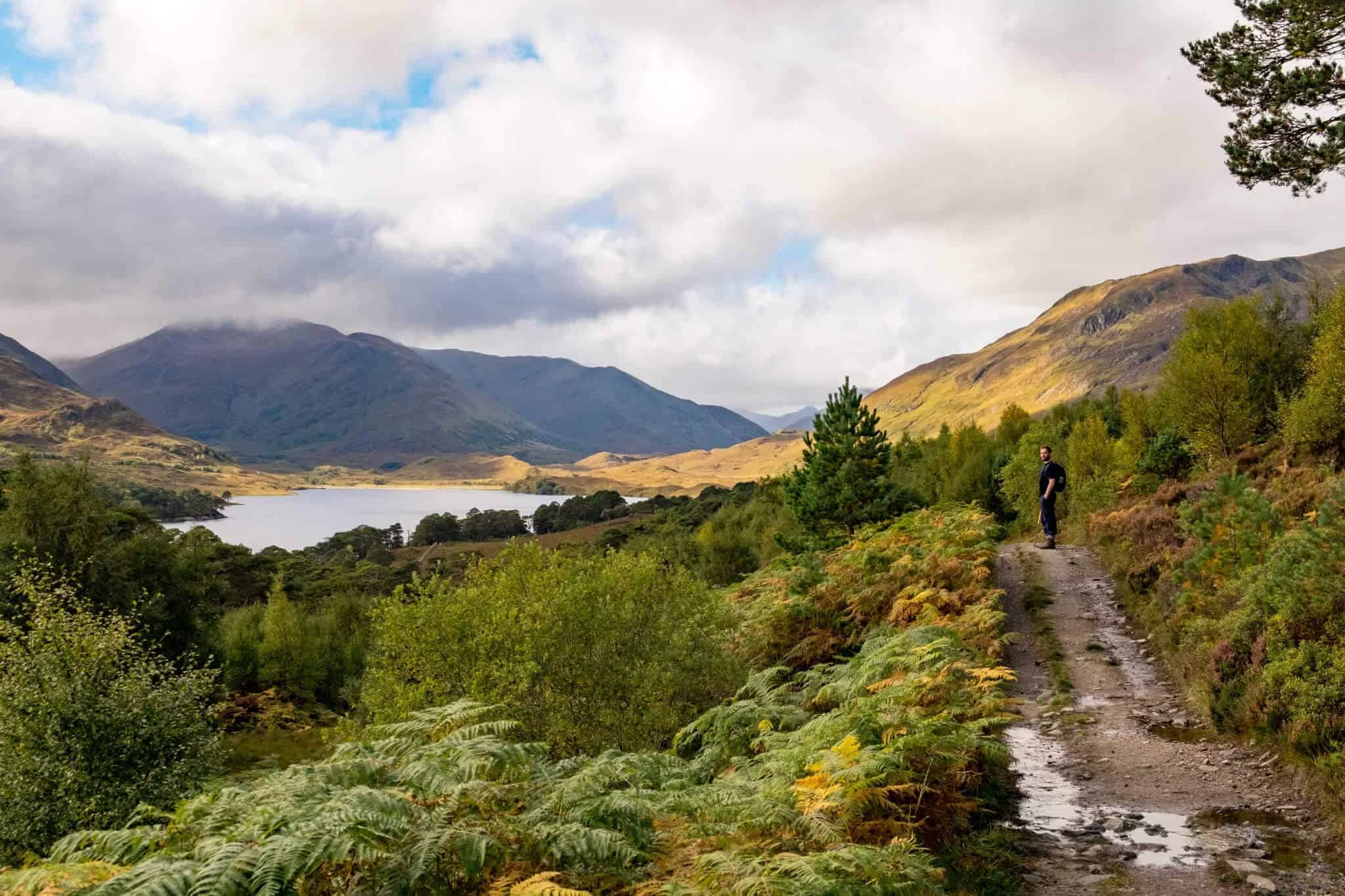
A week rewilding the Caledonian Forest
£690 (£360 concession)Trees for Life
Trees for Life was founded in 1986 to bring back the Caledonian Forest, and thousands of volunteers have planted the young trees grown in its nursery at Dundreggan. A rewilding week is seven days planting and tending native trees, at Dundreggan or out in Glen Affric, Ben Lawers or Applecross, with food, beds, transfers from Inverness and a day off included. Most weeks run in spring and early summer, with a few in autumn.
Mountain Bothies Association
The Mountain Bothies Association keeps around a hundred shelters weatherproof, most of them in Scotland, and every one is maintained by volunteers who turn up with the paint and the pointing. A work party is usually a weekend, sometimes a week for a big job, mostly in summer; they are listed on the MBA site with the organiser's email.

Scottish Wildlife Trust
The Scottish Wildlife Trust's hundred-odd reserves need hedges laid, scrub cleared and paths kept open, and much of that is done by volunteers on practical placements and in local groups, from Montrose Basin to Handa, including weekly and monthly sessions in Ayrshire. The live roles are on the Trust's volunteering portal, and the placements come with training.
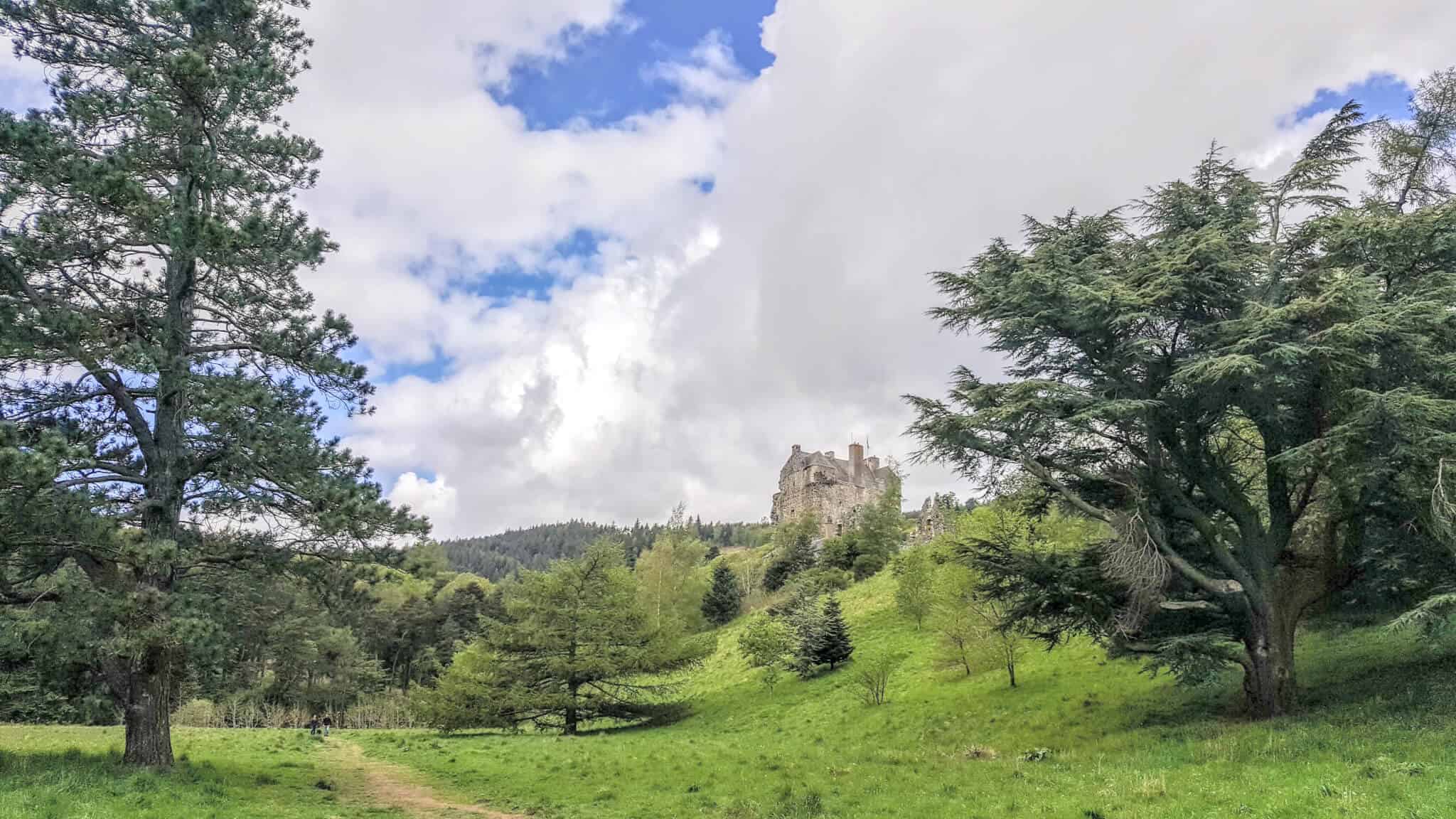
John Muir Trust
Glenlude is the John Muir Trust's small estate in the Borders, a former sheep farm where the conifer plantations are being replaced with native broadleaf woodland, and the work is done by volunteers on free Thursday conservation days: planting trees, collecting seed and fixing habitat. Bring a packed lunch and boots and book on the events page.
RSPB Scotland
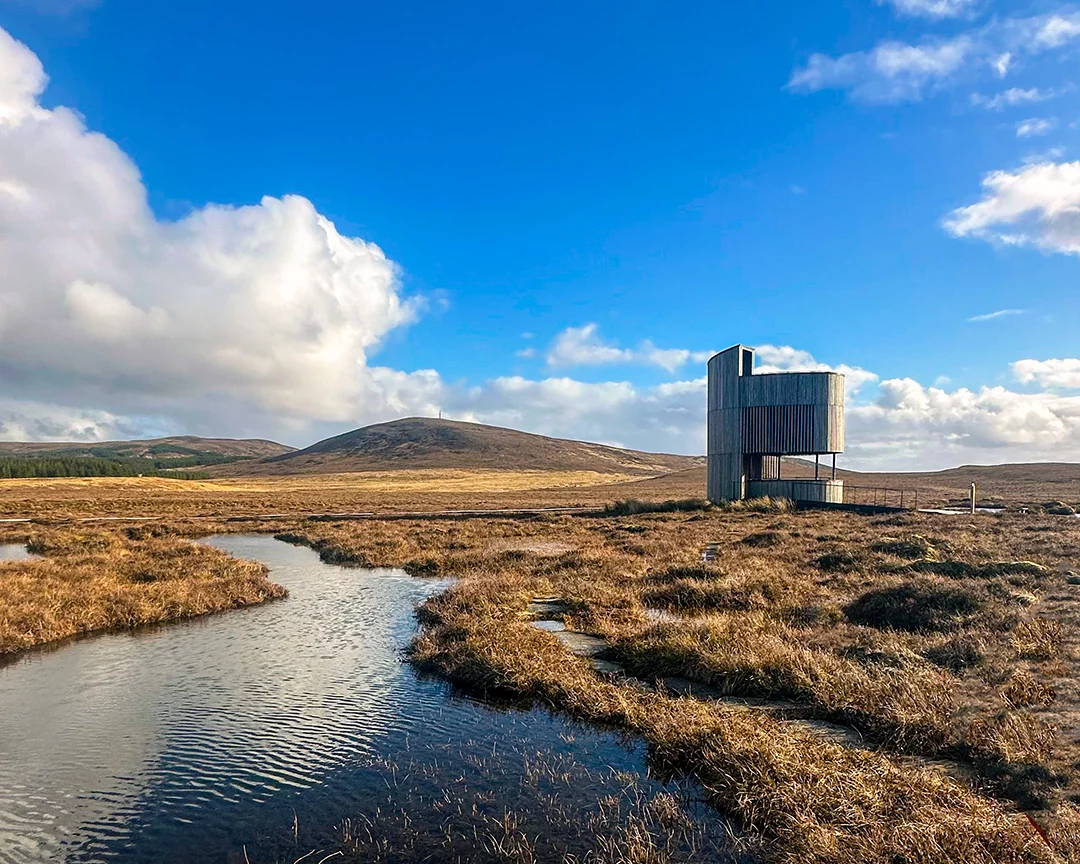
The RSPB's Scottish reserves, from Hoy in Orkney to the Flow Country peatland in Sutherland, rely on residential volunteers to count the hen harriers and seabirds through the breeding season. Four weeks or more with free accommodation; you pay your travel and food.

Friends of Loch Lomond & The Trossachs
The Friends of Loch Lomond and the Trossachs go back to 1978, long before the national park, and now work across the whole park area. Their Make a Difference Days are litter clears on the loch islands, path clearing and tree planting; see their volunteer and events pages for dates.
Marine Conservation Society
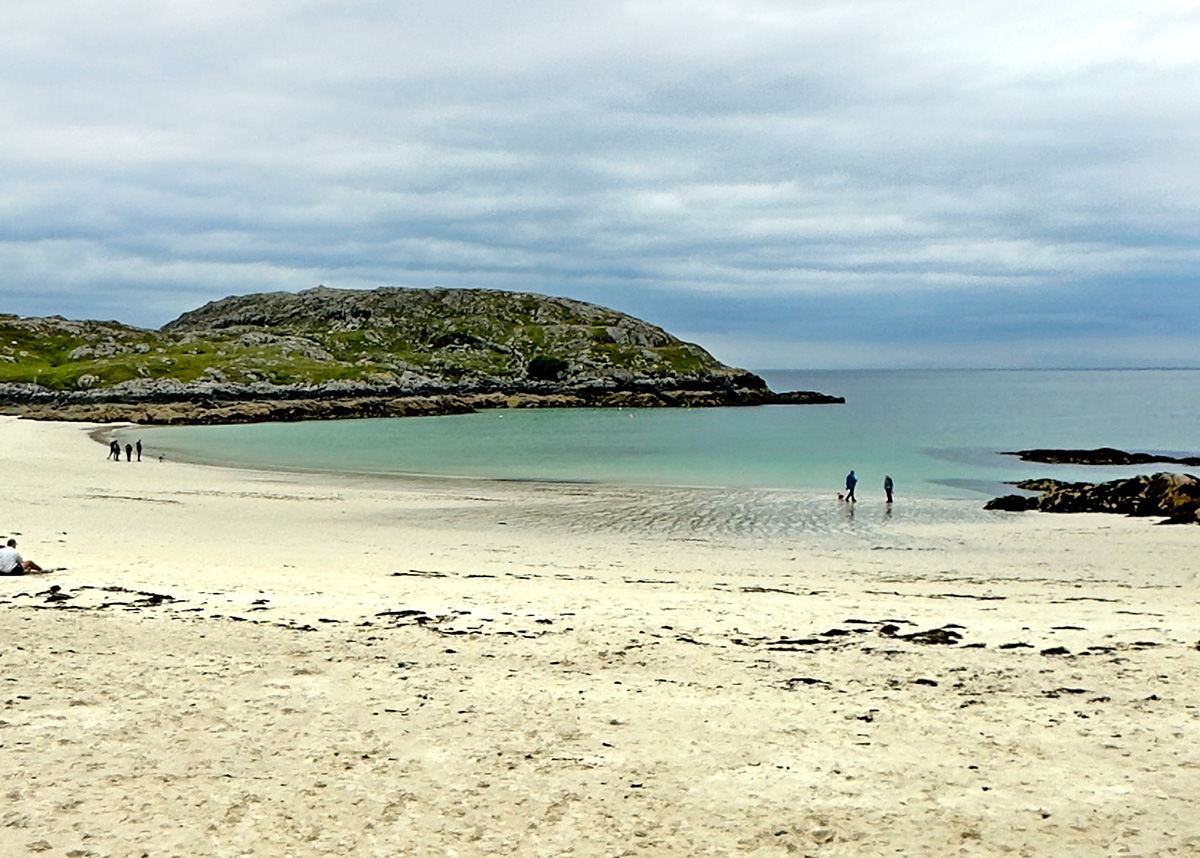
The Marine Conservation Society's Beachwatch counts the litter on a hundred metres of shore so the data can be used to change what's made and sold; it helped bring in the plastic bag charge and the ban on microbeads. Join a clean or organise your own; the Great British Beach Clean is every September.

Scottish Seabird Centre
The Scottish Seabird Centre is a partner in Restoration Forth, the project putting seagrass meadows and native oysters back into the Firth of Forth, and its share of the work runs on volunteers, as do the visitor desk, the education work and the events. Email info@seabird.org.
Hessilhead Wildlife Rescue Trust
Hessilhead, near Beith in Ayrshire, has treated injured and orphaned wild animals for more than thirty-five years and runs largely on volunteers: cleaning, feeding, driving patients and maintenance. The centre isn't generally open to the public, apart from an open day most Junes, so volunteering is the way to see it.
The Conservation Volunteers
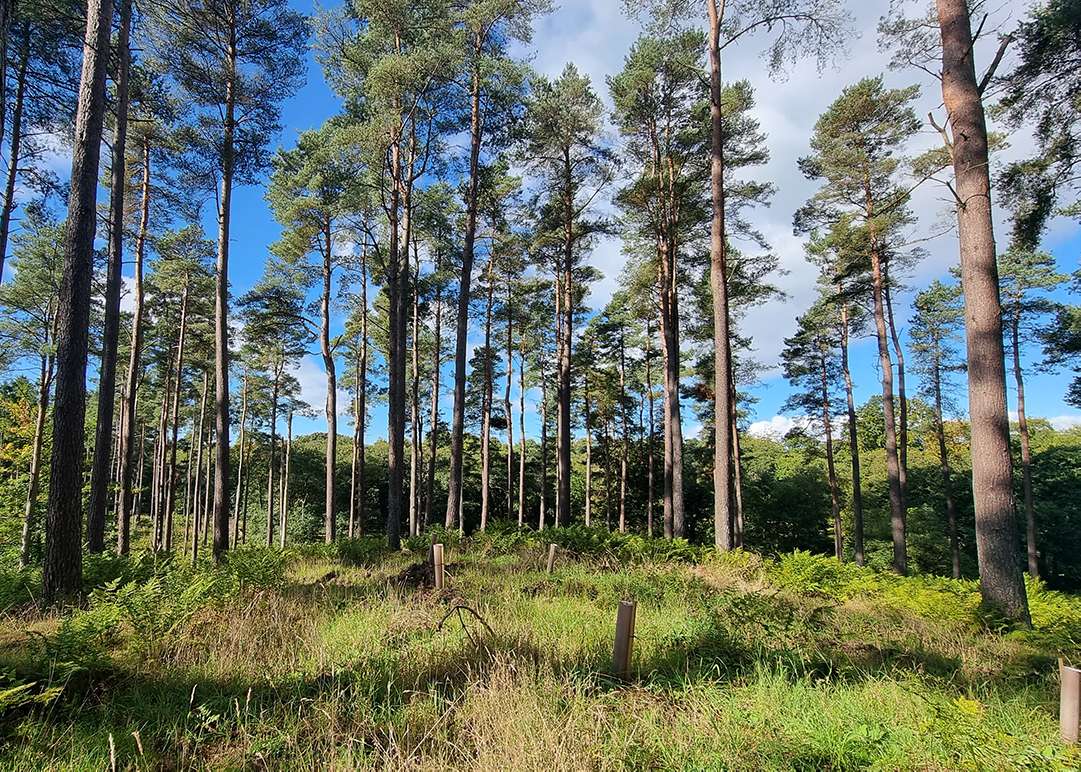
The Conservation Volunteers run practical days across central Scotland, pond clearing, tree planting, path building and pulling invasive plants, and the work gets done because people turn up. No experience needed, and the Green Gyms are the same work run as exercise.
Scottish Rights of Way and Access Society
ScotWays has defended Scotland's rights of way since 1845, and the green signposts at the start of the old drove roads and hill passes are theirs. It needs walkers to resurvey the heritage paths and look after the signs: walk the route, report what you find.
Experience gifts at community-owned pubs, hotels and islands 8
↑ Back to filtersSince the islanders of Eigg bought their island in 1997, communities across the Highlands and Islands have taken over the land they live on, helped by land reform legislation and the Scottish Land Fund. Knoydart, Gigha and Ulva are now in community hands, and the pubs, hotels, ferries and shops are run by the community company.
The profits stay local and pay for housing, hydro schemes and broadband, so a pint or a bed in one of these places puts money straight into the village.
The Old Forge
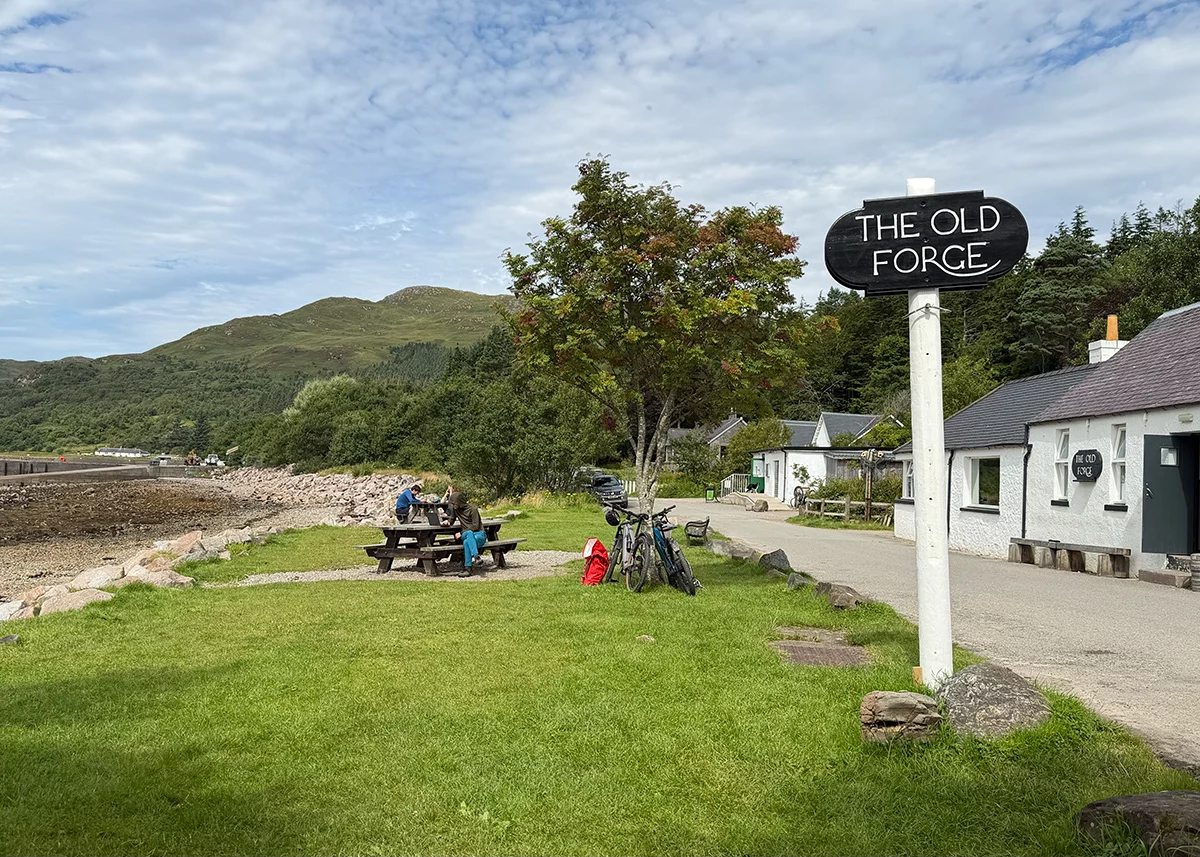
Inverie on Knoydart can only be reached by boat from Mallaig or an eighteen-mile walk over the hills, and the Old Forge is its only pub and one of a handful of community-owned pubs in Scotland. When it came up for sale the villagers bought it, and the keys were handed over in March 2022; the profits now go back into the business and the community. Book a table on the website before you cross.
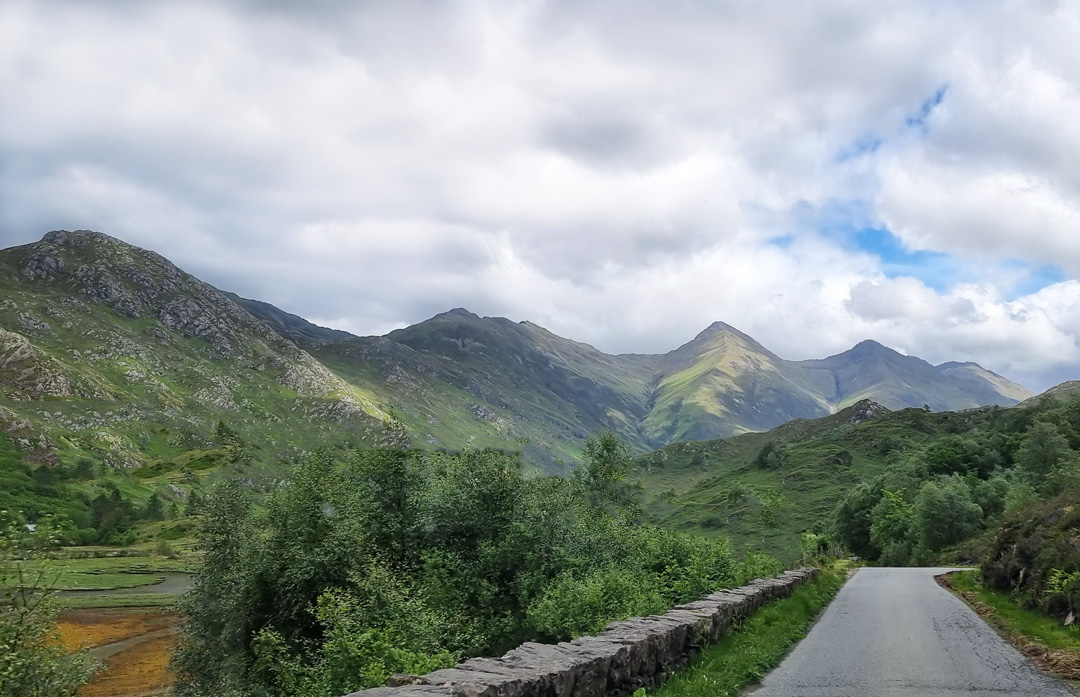
Isle of Skye Ferry CIC
The Glenachulish is the last manually operated turntable ferry in the world, and the crossing from Glenelg is run by a community interest company that puts every penny of profit into the boat and the villages at either end. It is under threat: an old land law makes it pay five per cent of its income to an absentee landowner, and a petition to change the rules is on the ferry website. £5 on foot, £20 a car each way, April to mid-October.
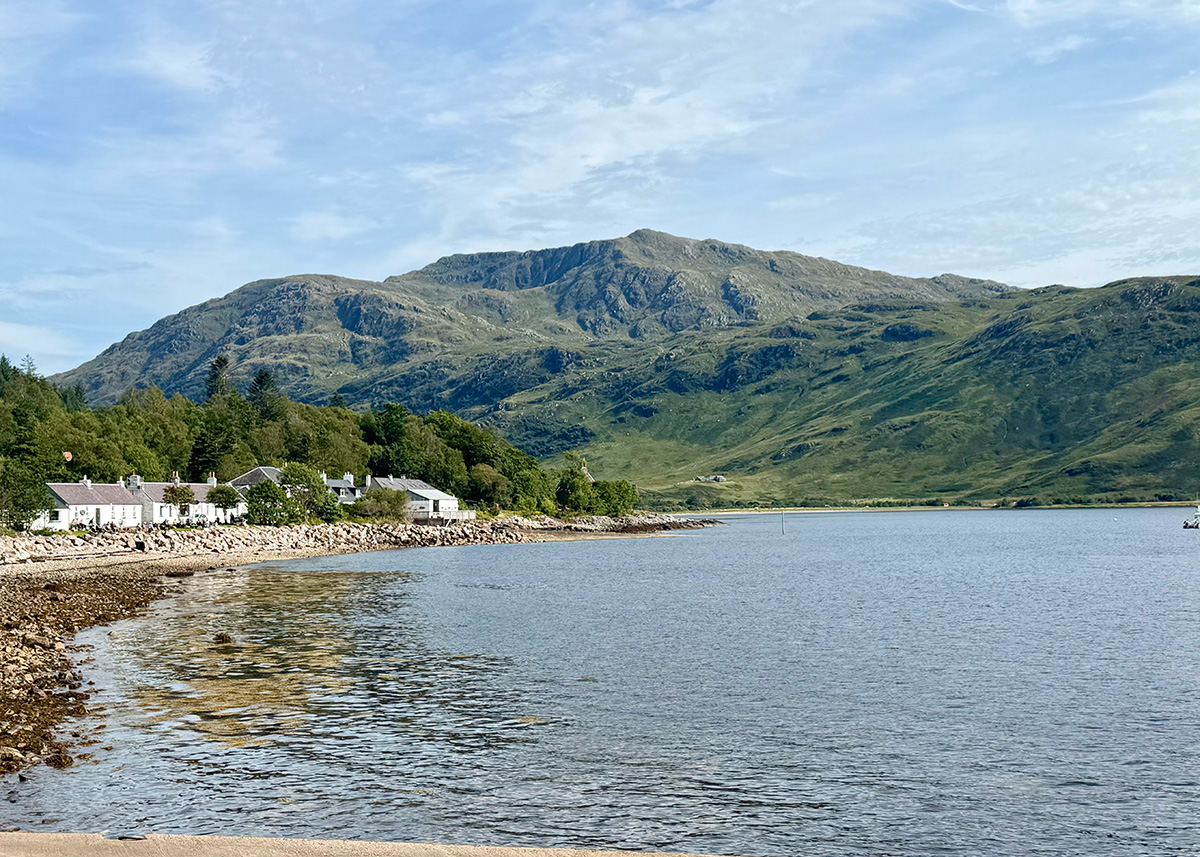
A bunk on the Knoydart peninsula
£32 a nightKnoydart Foundation
Knoydart was bought by its community in 1999, and the Knoydart Foundation now runs the estate for the people who live there, with the hydro scheme in community hands since 2001. The bunkhouse sleeps twenty-six in three dorms, with a full kitchen, at £32 a night or £29 for three nights or more.
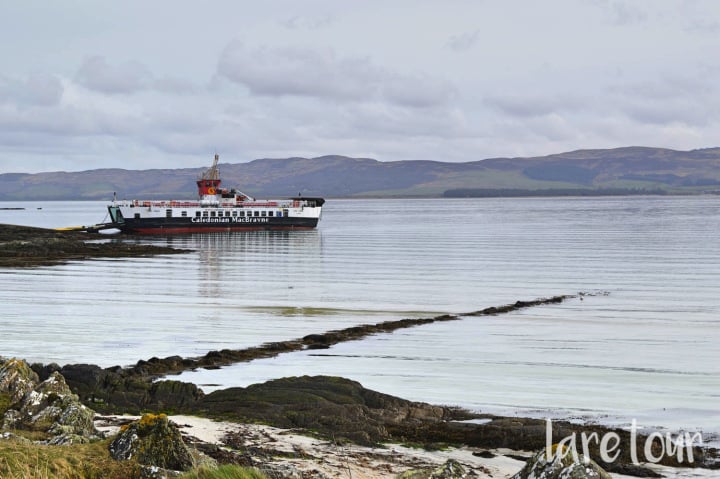
Isle of Gigha Heritage Trust
Gigha's islanders bought their island in 2002 and the population has grown since. The hotel was leased out for years and came back to the trust after it closed in early 2023; it has been renovated with a Community Ownership Fund grant, and the bar, kitchen and rooms are reopening in stages through 2026, so check what's open before you book.
A day on community-owned Ulva
£8 ferryNorth West Mull Community Woodland Company
Ulva was cleared in the nineteenth century and had only a handful of residents left when the North West Mull community bought it in 2018. The ferry from Mull, £8 for adults, runs on demand Monday to Friday from April to October and is how the island earns its keep. Walks to the deserted townships, and the Boathouse for lunch.

Glenuig Community Inn
Glenuig is a scattered village on the Moidart coast with one inn, and the village has taken it on as a community benefit society, with a Scottish Land Fund grant to buy it in 2025. It does lunch, dinner, rooms and trad sessions in the bar. Book on 07415 709310.
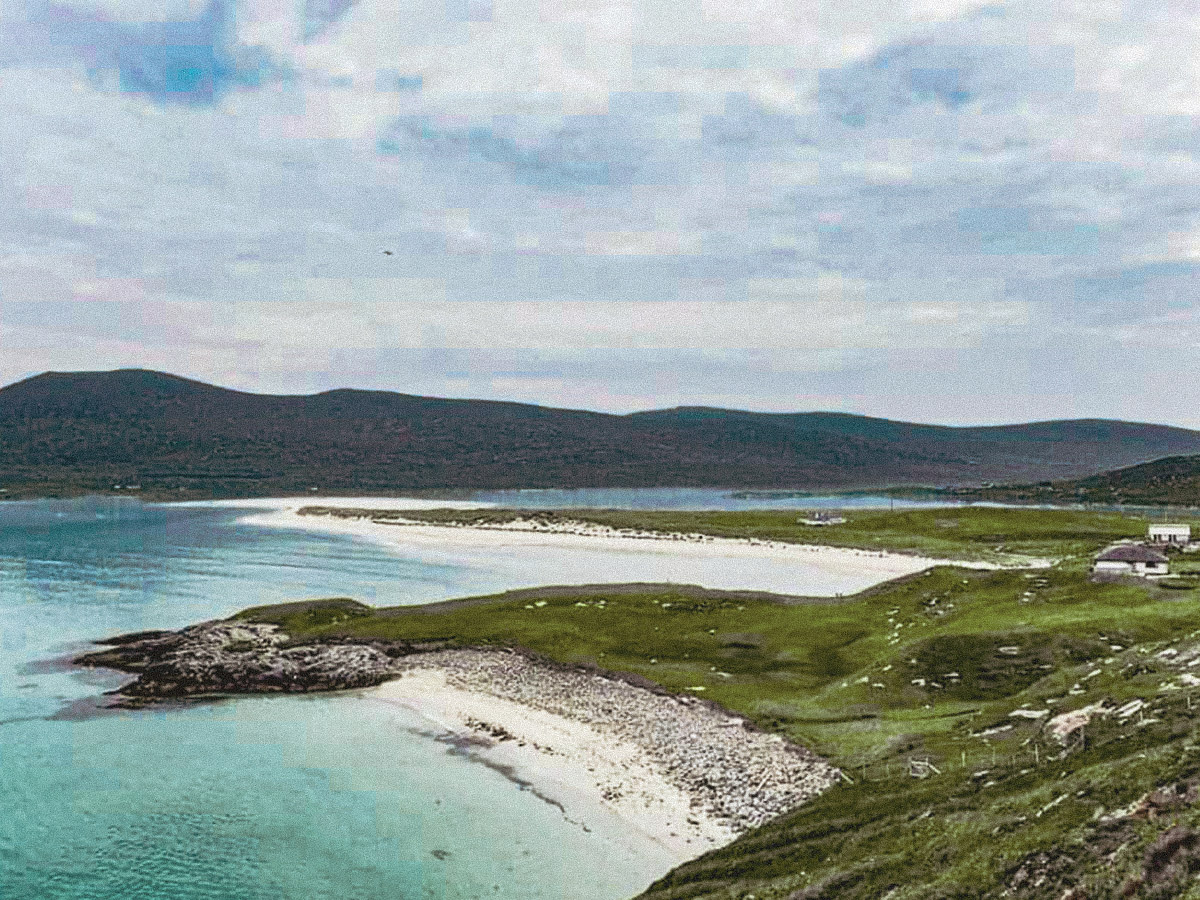
Lunch at Talla na Mara on West Harris
Café pricesWest Harris Trust
West Harris has been owned by its community since 2010, and Talla na Mara, the centre above the beach at Niseaboist, opened in 2017 and is owned and run by the trust. The café's profits are reinvested in the community. Lunch Monday to Friday, with a gift shop of island makers next door.
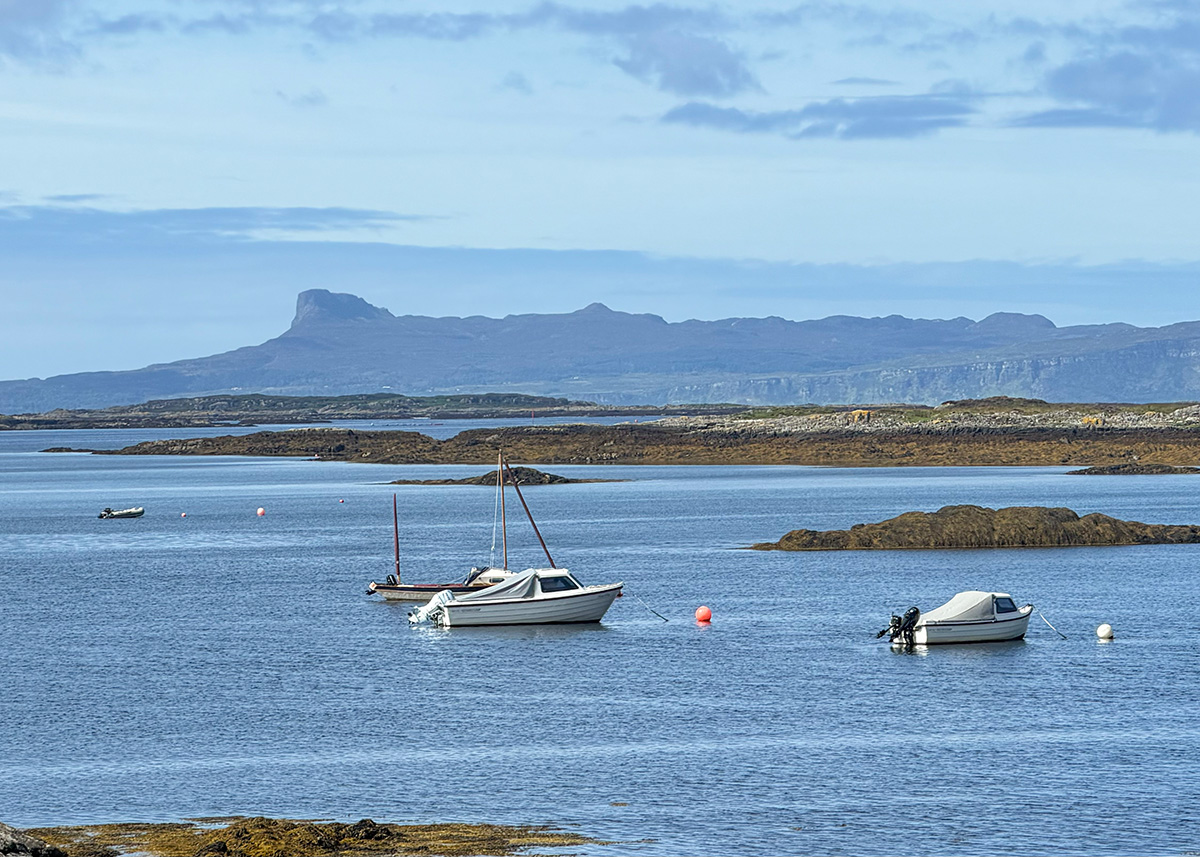
Isle of Eigg Heritage Trust
Eigg's islanders bought their island in 1997, one of the first community buyouts in Scotland, and An Laimhrig by the pier is owned by the trust's trading company and is home to the island shop, the Galmisdale Bay café bar and the craft shop. The community-owned camping pods above it fund the trust's work.
Experience gifts that fund a charity: hostels, islands and expeditions 7
↑ Back to filtersSome of the most memorable places to stay in Scotland are run by charities, and what you pay for the room funds their work. The Gatliff hostels are three old crofthouses in the Hebrides run by volunteers, the Isle of May observatory gives you a bed in return for keeping the daily census, Fair Isle's observatory is a guesthouse that funds the bird counts, and a berth on the Hebridean Whale and Dolphin Trust's yacht makes you part of the survey crew.
They are simple places, and you couldn't stay in most of them any other way.
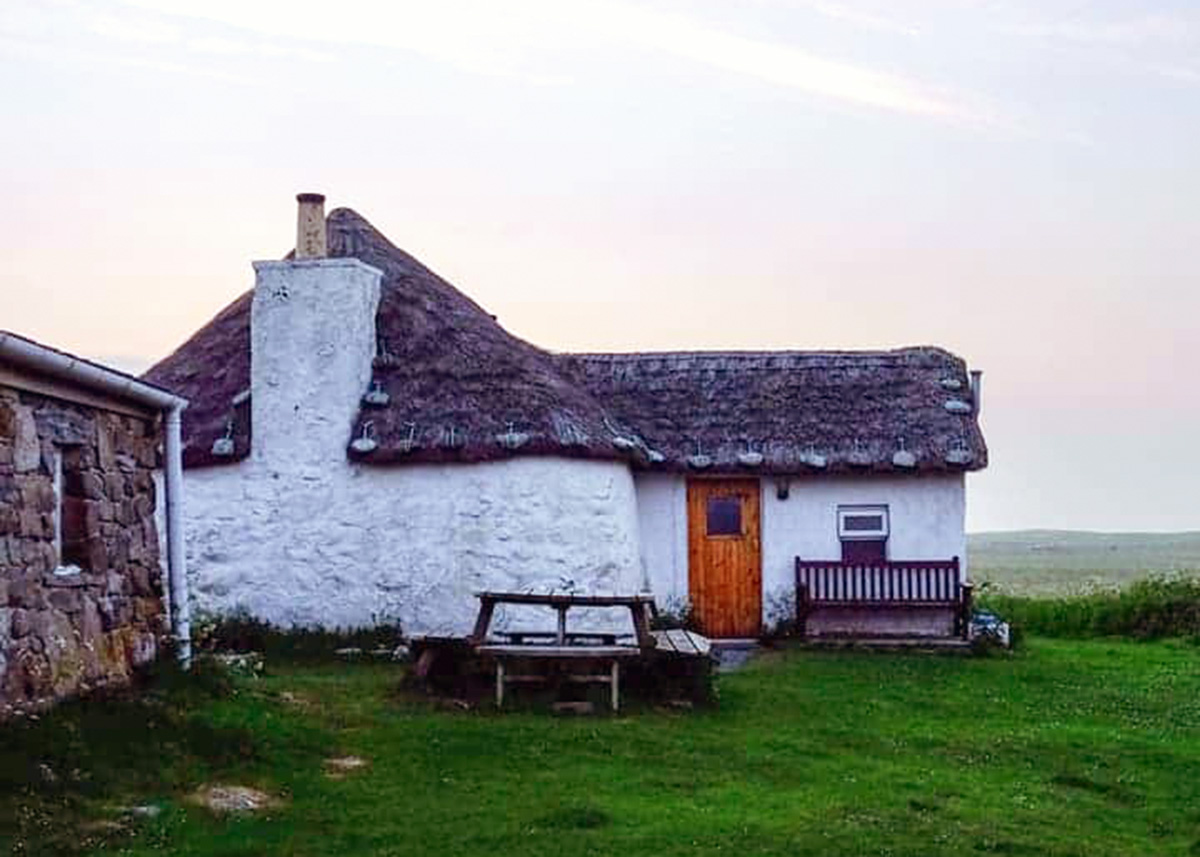
A crofthouse hostel in the Hebrides
£25 a nightGatliff Hebridean Hostels Trust
The Gatliff Trust keeps three old crofthouses on Berneray, South Uist and Harris as simple hostels, run entirely by volunteers, so that the houses stay in use and people on a budget can stay in the islands. No bookings and cash preferred; £25 a night at Berneray, where camping is no longer allowed, and a little less at the other two.
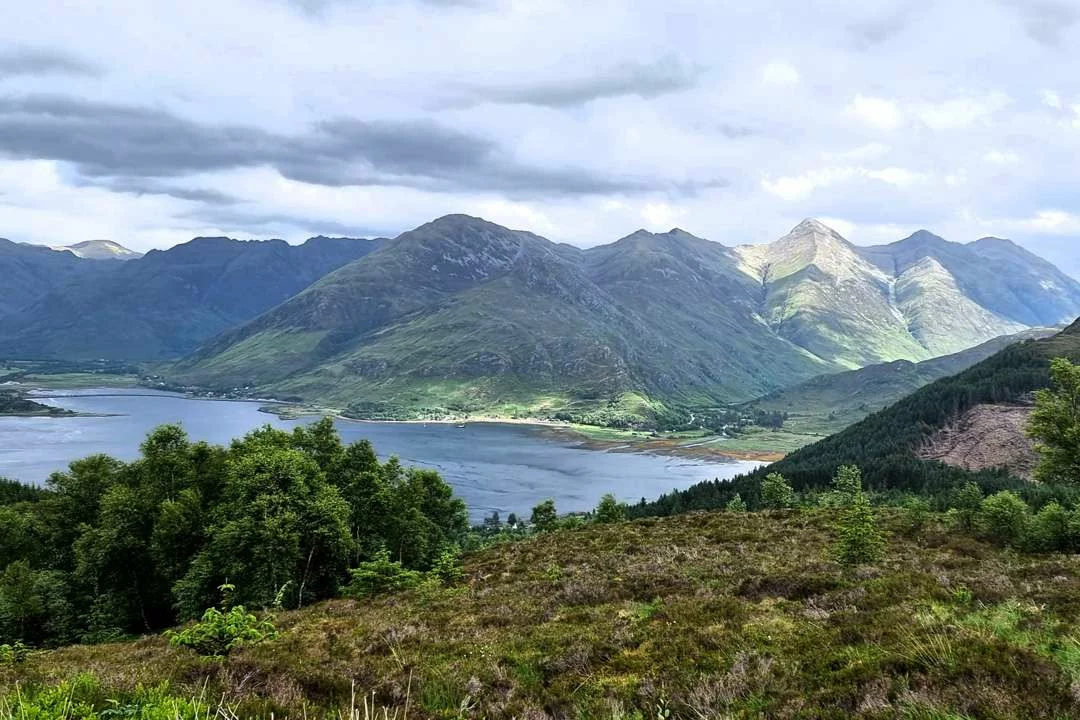
A year of Scotland's youth hostels
£15 a yearHostelling Scotland
Hostelling Scotland is a charity, and its sixty-odd hostels, from the islands to the cities, fund its programmes for young people who couldn't otherwise afford a holiday. Membership is £15 a year, or £150 for life, and non-members pay £3 a night more.
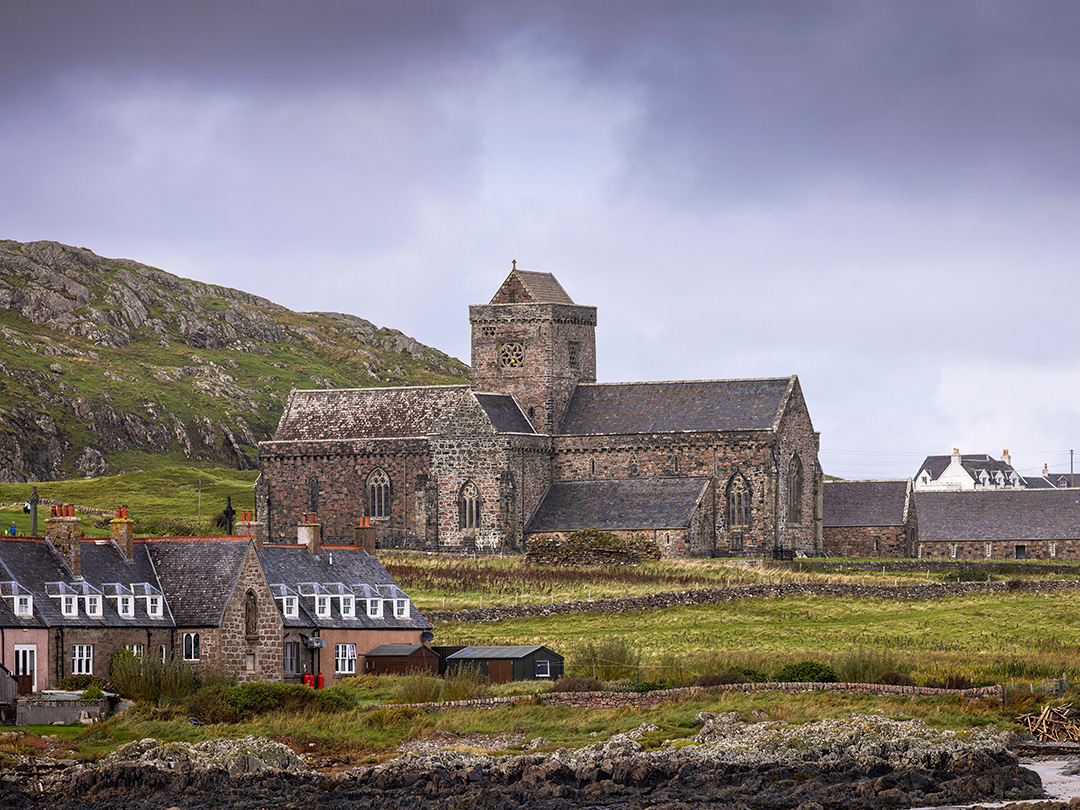
A week living and working at Iona Abbey
From £600 (2027)Iona Community
The Iona Community was founded in Glasgow in 1938 by George MacLeod, who rebuilt the abbey's living quarters with unemployed workers and trainee ministers, and it has run the abbey as a working community ever since. A week's stay shares the chores, the meals and the services; the 2027 spring work week is £600, or £300 at the reduced rate for students, pensioners and people on benefits.
Trees for Life
Dundreggan, in Glenmoriston, is where Trees for Life grows the trees for the Caledonian Forest, and the rewilding centre is free to visit, with trails, a café and guided walks. The An Spiris rooms let you stay in the glen the charity is replanting, from March to October.
A week at the rebuilt Fair Isle Bird Observatory
From £163 a nightFair Isle Bird Observatory Trust
The Fair Isle observatory burned down in 2019 and reopened in 2025, and the counts of migrating birds that began in 1948 carry on from it. A stay is full board with ranger walks and bird ringing demonstrations, late April to October, £184 single or £163 each in a twin per night, less for a week in the shoulder months.
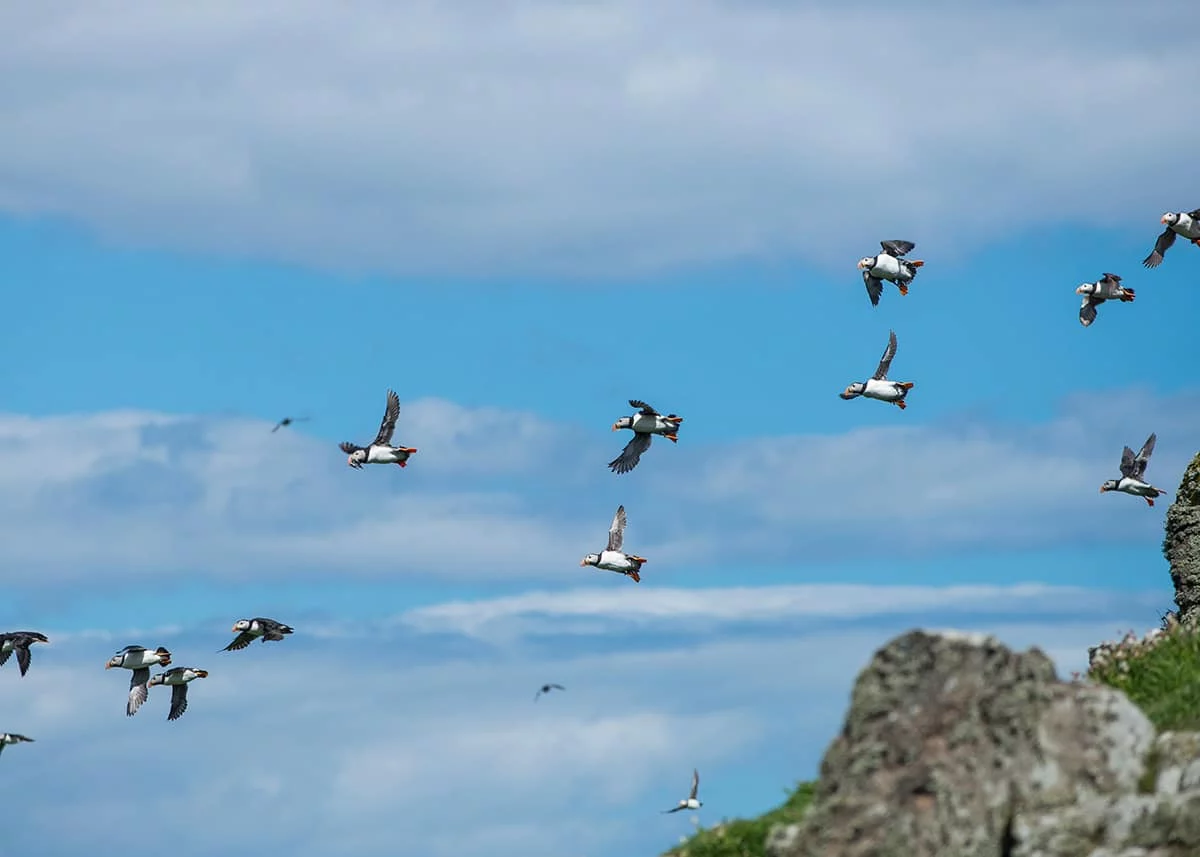
A week on the Isle of May counting birds
£200 a week (2026)Isle of May Bird Observatory Trust
The Isle of May bird observatory has run since 1934 on a simple deal: you get a week on an island of puffins and seals, in the Low Light which sleeps six, and in return you keep the daily bird census. Saturday to Saturday, £200 including the boat in 2026; bookings for the public open on 1 December.
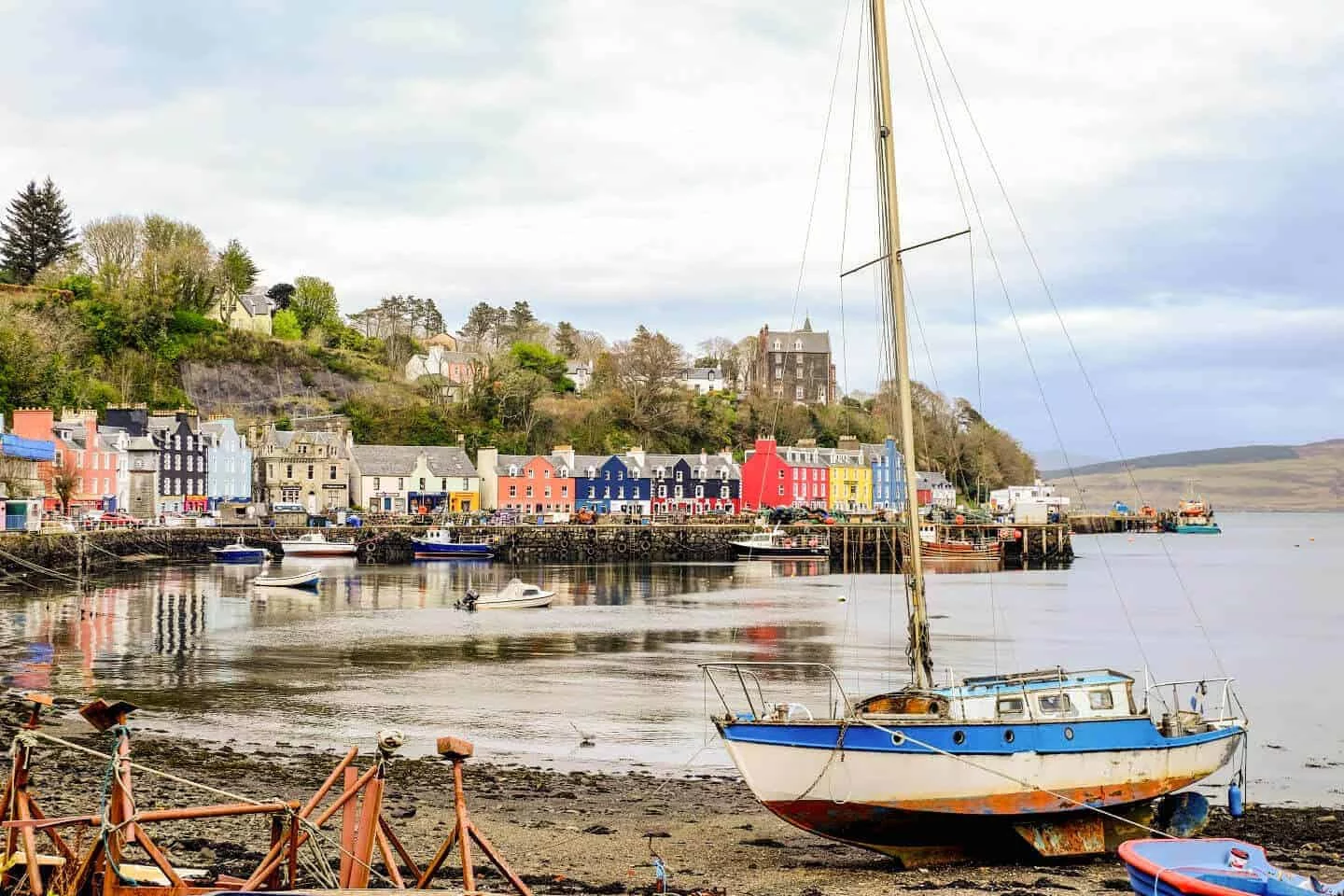
Crew a whale research boat in the Hebrides
From £1,640Hebridean Whale and Dolphin Trust
The Hebridean Whale and Dolphin Trust's research yacht Silurian has surveyed the west coast for whales, dolphins and basking sharks since 2002, with paying crew working alongside the scientists. Seven to twelve days aboard from Tobermory, Mallaig or Ullapool, from about £1,625; berth, food and training included.
Days out that support Scottish charities and trusts 12
↑ Back to filtersMany of Scotland's museums, lighthouses and historic ships are run by local trusts rather than councils, often because the council couldn't afford to keep them. Gairloch's museum in a converted nuclear bunker, Scott's ship Discovery in Dundee and the first lighthouse on mainland Scotland at Fraserburgh all stay open on ticket money and volunteers.
The Waverley paddle steamer is owned by a charity, and the Invisible Cities tours pay the guides, who have all experienced homelessness.
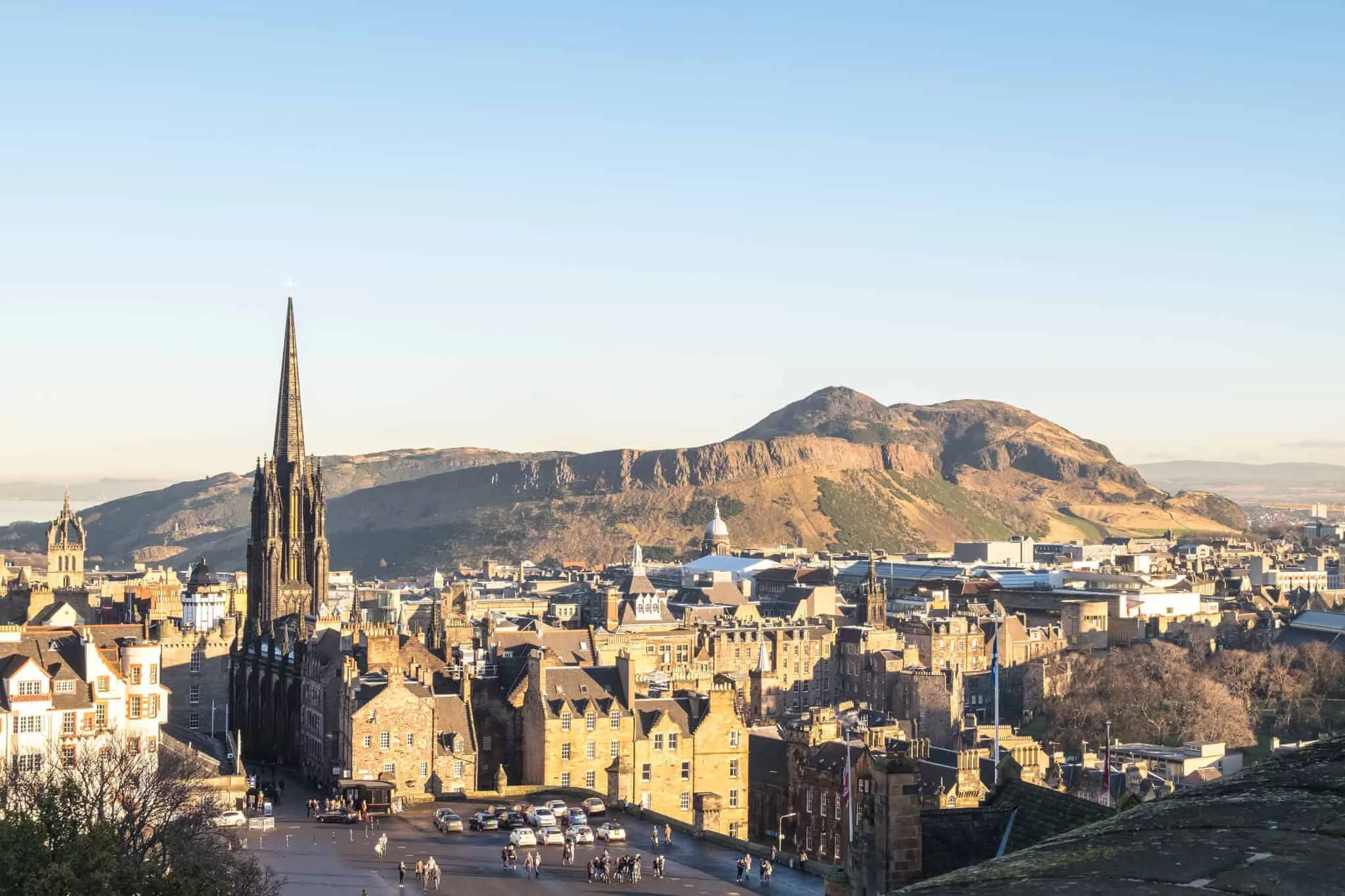
Invisible Cities
Invisible Cities trains people who have experienced homelessness as walking-tour guides, and the tours cover the history and the back streets of Edinburgh, Glasgow and Aberdeen with a guide who knows them from the ground. Vouchers from £20 work on any tour in any city.

Gairloch Museum
Gairloch's heritage society took on a Cold War anti-aircraft operations room, built to survive a nuclear blast, from the council and turned it into a museum, which opened in 2019 and is run by the community. £9 adults, £2 children, open Monday to Saturday from April to October, with shorter hours in winter.

Kilmartin Museum
Kilmartin Glen has more than eight hundred prehistoric monuments within six miles, and the museum that explains them is an independent charity, rebuilt and reopened in 2023. £16 adults, £6 children, and a ticket lasts a year; arrive on foot, by bike or by bus and you pay the concession rate.
Waverley Excursions
The Waverley was built on the Clyde in 1946 and was sold to a charity for a pound in 1974 when her working days were over. She still sails from Glasgow every summer, and the fares and the vouchers are what keep her in steam. Vouchers in a Waverley gift card are valid for two years; the first 2027 sailing is in May. £5 to £50.
Timespan
Timespan is Helmsdale's museum, gallery, archive and riverside café, run as a charity by the village, with the Clearances and the emigration from the Strath of Kildonan at the heart of the collection. Museum £5; gallery and café free.
The Scottish Maritime Museum
From £4.50Scottish Maritime Museum
The museum on Irvine harbour and the Denny ship model tank in Dumbarton, where the hulls of the Clyde's ships were tested, are run by a charity on ticket money. £8.50 at Irvine with up to three children free per adult, £4.50 at Dumbarton.
Museum of Scottish Lighthouses
Kinnaird Head at Fraserburgh was the first lighthouse on mainland Scotland, lit in 1787 inside a sixteenth-century castle, and the museum beside it holds a nationally recognised collection of lighthouse lenses and equipment, run by a charitable trust. £12.50 adults, £6 children, with guided tours every hour. Closed for building works until 11 November 2026.
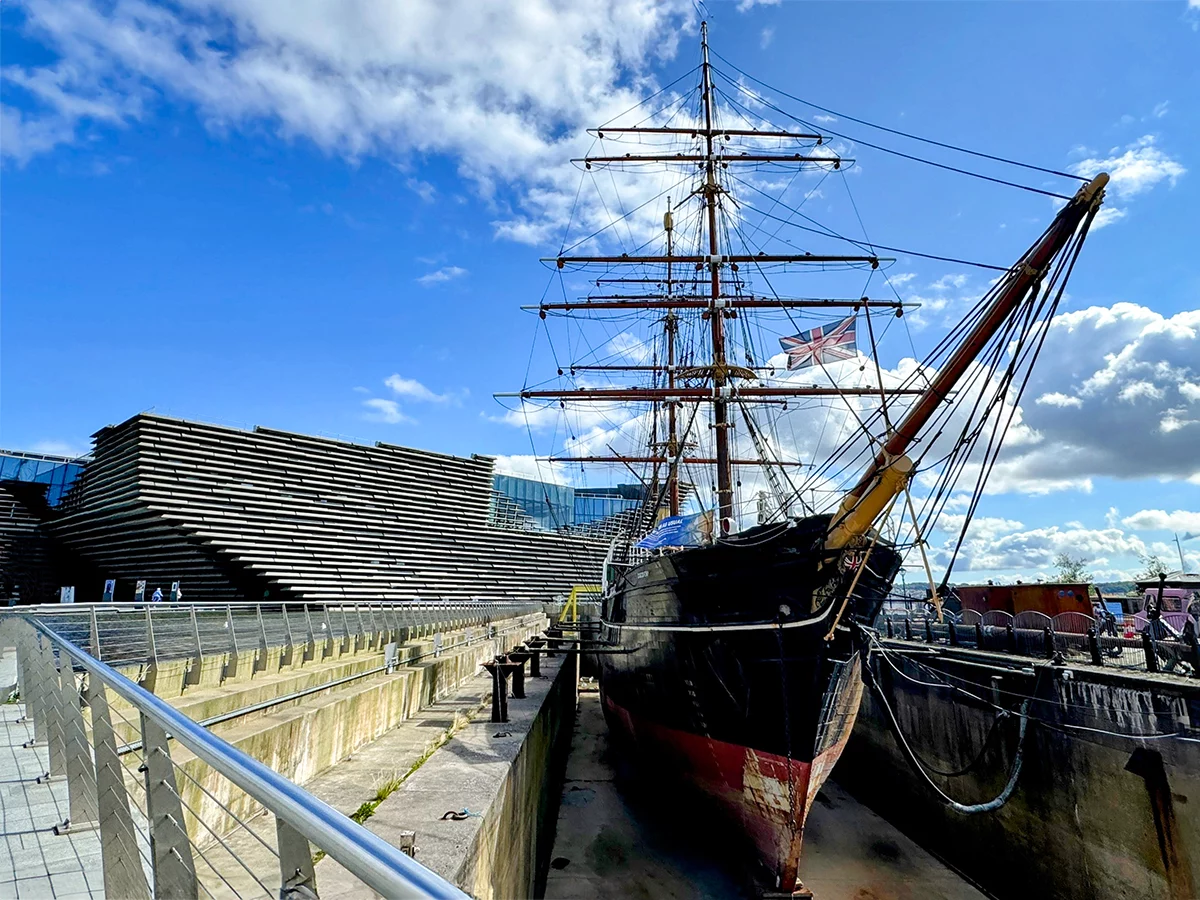
Dundee Heritage Trust
Scott's ship Discovery was built in Dundee and came home in 1986, and the Verdant Works jute mill is one of the few left of the mills that once ran the city. Both are kept by the Dundee Heritage Trust, not the council. Discovery Point from £14 (children from £8), Verdant Works £13 with children free.

The Mull of Galloway lighthouse
By donationMull of Galloway Trust
The lighthouse at Scotland's most southerly point is looked after by a local trust, which runs the exhibition, the engine demonstrations and the foghorn by donation. The exhibition is open daily from late March to the start of November and the lighthouse climb at weekends and in the school holidays; the Gallie Craig café is next door.

Scottish Fisheries Museum Trust
Anstruther was a herring port, and the museum on the harbour, run by a trust since 1969, keeps the boats, the nets and the story of the fishing. £11 adults, open all year apart from Tuesdays in winter, with the Reaper, a 1903 herring drifter, open in high season.

The Abbotsford Trust
Walter Scott built Abbotsford on the Tweed with the money from the novels, and it is kept now by an independent trust on ticket money. £16.20 adults, £7.60 children, or £17.80 for Abbotsford Unlimited, a year's entry; the house is open March to December and the visitor centre, café and estate walks are free all year.
Strathnaver Museum
£7.50Strathnaver Museum
Strathnaver was cleared in the early nineteenth century, and the museum in the old parish church at Bettyhill, run as a local charity, tells that story and the story of Mackay country. £7.50 adults, under-eighteens free, Friends membership £10. Open April to October, with a few days a week in March and November.
Scottish wildlife days out that give back 7
↑ Back to filtersThe hides, visitor centres and boat trips here are run by the conservation charities themselves, so the ticket money goes to the reserve you are visiting. Volunteers look after the ospreys at Loch of the Lowes and Loch Garten through the spring and summer, the Seabird Centre's boats land on the Isle of May and the Bass Rock, and Argaty is a family farm that feeds red kites and has taken in beavers, paid for by its visitors.
Royal Zoological Society of Scotland
The Royal Zoological Society of Scotland breeds wildcats, pine hoverflies and beavers for release, and the keeper experiences at the Highland Wildlife Park help pay for it. A Magic Moment with the red pandas is from £85 (eight and up), the snow leopards from £115 and the polar bears from £140 (both sixteen and up), sold as gift vouchers.
Feed the red kites at Argaty
See siteArgaty Red Kites
Red kites were brought back to central Scotland by the RSPB from 1989, and the Bowser family at Argaty, near Doune, have fed them on their farm for years. In 2021 they took in a family of beavers that would otherwise have been culled, the first moved from a conflict area to a new part of Scotland. It's a rewilding estate, not a charity, and the visitors pay for it. A voucher buys a hide visit or an evening beaver tour.

Cambo Gardens
Cambo, near Kingsbarns, is run by the Cambo Heritage Trust, a charity that trains young people and adults in its walled garden. The snowdrops are the famous thing: each year they lift crowded clumps from their own woodland, sort the bulbs by hand and post them in the green, ready to plant, with orders taken from January to April. A £25 voucher can be spent in the gift and plant shop.
Scottish Wildlife Trust
The ospreys at Loch of the Lowes near Dunkeld have nested since 1969, and the Scottish Wildlife Trust's visitor centre and hides are where you watch them, with the money going to the reserve. £6.50 for adults, free for children, open daily March to October and Friday to Sunday in winter; ospreys April to August, red squirrels all year.
RSPB Scotland
Loch Garten is where ospreys first returned to Britain, in the 1950s, and the RSPB's nature centre in the Abernethy pinewoods still has them, along with crested tits and red squirrels, in the biggest native pinewood restoration in Scotland. £6 for adults, £3 for children with the first child free, April to October.
Scottish Seabird Centre
The Scottish Seabird Centre runs landing trips to the Bass Rock, the largest gannet colony in the world, and to the Isle of May among the puffins, and the income supports the centre's conservation and education work. The Isle of May trip is four hours (£70, April to September); the Bass Rock landing is £200, sixteen and up.

Whale and Dolphin Conservation
Whale and Dolphin Conservation runs the centre at Spey Bay, on the mouth of the Spey where the Moray Firth dolphins come in to feed, and donations and the café and shop support the research. Free to visit, with the old ice house, open Thursday to Monday.
Sponsor and donate 7
↑ Back to filtersMountain rescue in Scotland is done by volunteers, the air ambulance is a charity, and the paths up the busiest hills are repaired with donated money. If you walk the hills or go to sea, these are the charities you may one day need.
All of them take a one-off gift or a monthly standing order, and a kennel at a rescue centre can be sponsored in someone's name.

Scottish SPCA
The Scottish SPCA takes in thousands of animals a year at its rescue centres, and a sponsored kennel pays towards a dog's care and vet treatment while it waits for a home. The sponsor gets the story of a dog they've helped, a mid-year update and the magazine, with a gift card if it's a present.
Scottish Mountain Rescue
Any amountScottish Mountain Rescue
The teams who come for you on the hill are volunteers, called out from work and from their beds, and they buy their own kit with donated money. The umbrella charity takes one-off or regular donations; to give to a particular team, go to its own site.

Mend a mountain path
Any amountOutdoor Access Trust for Scotland
The paths up Scotland's most popular hills are being worn into scars by the number of feet on them, and public money is rarely available for paths on private land. It's Up To Us is the campaign by the Outdoor Access Trust and Mountaineering Scotland to repair them, starting with An Teallach.
A night in safe accommodation
From £10Simon Community Scotland
Simon Community Scotland works with people who are homeless in Glasgow, Edinburgh and beyond, and its donations are costed to what they buy: £10 is the essentials for a night in emergency accommodation, £70 is hot food, dry clothes and a bed in a safe place.

Edinburgh Dog and Cat Home
The home at Seafield has taken in Edinburgh's strays since 1883 and gets no government funding. A gift sponsorship pays towards a kennel for a year and puts a plaque with your message on the sponsor wall, with a certificate and the magazine. The amount is set on their form.
Fuel a lifeboat
From £10RNLI
The RNLI is independent of government and the Scottish stations, from Aberdeen to Tobermory, are crewed by volunteers. A tenner buys fuel for a launch, as a gift card posted to keep or pass on; crew wellies are £90.
Scotland's Charity Air Ambulance
Any amountScotland's Charity Air Ambulance
Scotland's Charity Air Ambulance flies from Perth and Aberdeen and is funded entirely by donations, with no government money. Give once, join the weekly lottery or set up payroll giving.
Christmas presents from Scottish charities and social enterprises 14
↑ Back to filtersA social enterprise is a business that exists to do something good and puts its profits back into that, instead of paying them to shareholders. In Scotland that includes a soap company in Lerwick that employs adults with learning disabilities, a weaving charity in Stirling, a bike workshop in Glasgow that teaches people to ride and a sandwich shop that feeds people sleeping rough.
These are ordinary things to buy, from businesses where the profit does some good.
Social Bite
Social Bite started as a sandwich shop in Edinburgh that gave jobs to people who were homeless, and it now runs the Social Bite Village and serves free food across the country. Its virtual gifts come as an e-card: £5 buys a hot meal or an emergency food pack, £10 two pairs of gloves, £21 an emergency bed with support.
Mary's Meals
Mary's Meals started in a shed in Dalmally in 2002 and now feeds more than three million children a school meal every day, in the places where a meal is the reason a child comes to school. £10 is a hundred meals; £19.15 feeds a child for a school year.
Radical Weavers
Radical Weavers is a weaving charity in Stirling that teaches the craft to people who would never otherwise get near a loom. Its kit lets you weave real tartan on a wee board loom: Shetland wool, a bodkin and two boards to make Coorie tartan coasters.
Grassmarket Community Project
The Grassmarket Community Project in Edinburgh gives vulnerable adults a place to go and a trade to learn, and its woodwork shop turns reclaimed timber into furniture and signs. The garden signs say Give Bees a Chance, Pesticide Free, Wildlife Friendly Garden, or whatever you ask for.

Out of the Blueprint
Out of the Blueprint is a social enterprise print studio in the Out of the Blue Drill Hall in Leith, and every sale funds printmaking with young artists. This zine for exploring Edinburgh's graveyards is riso-printed with rice ink on recycled paper.

Shetland Soap Company
The Shetland Soap Company is a Lerwick social enterprise where people with a learning disability or autism work alongside the team, and the bar soap is hand mixed, cut and wrapped in its small production room. Bars from £3.50.
The Scottish Bee Company
The Scottish Bee Company keeps its hives sustainably and gives 10p from every jar to its sister charity, Repollinate, which works on pollinator habitat. The heather honey is the dark, strong one; there is a lighter blossom honey too.
Scottish Book Trust
The Scottish Book Trust is the charity that gives a free Bookbug bag to every child in Scotland and runs reading programmes in schools and libraries. Its shop sells three or six months of books chosen by the Bookbug team, as a children's subscription or an adult one.
A football shirt rescued from landfill
From £19.99Street Soccer Scotland (Kitback)
Street Soccer uses football to change lives for people who've been homeless or in prison, and Kitback is its shop: pre-loved and vintage football shirts from about £20 to well over £100, with all the profits going to the charity.
Edinburgh Remakery
The Edinburgh Remakery in Leith exists to keep things out of landfill and to get devices to people who can't afford them. It takes in old tech, fixes it and sells it with a twelve-month warranty, from a Dell at £145 to a MacBook Pro at £390, and gives one in five devices away.

Refuweegee
Refuweegee makes welcome packs for people arriving in Glasgow as refugees, with letters from Glaswegians in them, and the shop pays for the packs: a Safe With Me pin is £5, a cap £20, the Barrowland Ballroom tee £30.
Maggie's
Maggie's began in Edinburgh in 1996, in a converted stable at the Western General, and its centres now offer free cancer support beside hospitals across Scotland. Cards are £5, gift wrap £4 and the Architecture of Hope book about the centres' buildings £25.
Garvald Edinburgh
Garvald Edinburgh gives adults with learning disabilities real craft work in its workshops, and the shop on Morningside Road sells what they make, with all the profit going back into the workshops: ceramic bowls from £12.50, wool and silk scarves at £38, ash chairs at £270.
Bike for Good
Bike for Good is a Glasgow charity that teaches people to ride, runs community rides and gets people cycling who couldn't afford a bike. It pays for that by refurbishing donated bikes and selling them serviced and safety-checked from its hubs in Finnieston and Govanhill, adult bikes from £150 and children's from £40, with a basic service at £40.
For presents you can wrap, my sustainable Scottish Christmas gift guide has nearly 190 gifts made in Scotland, and the adoptions and memberships from this page are in there too.
Christmas sorted, and Scotland a wee bit better for it.
Kate – Love from Scotland x

Leave a Reply