Across Scotland, a growing number of expert foragers, chefs and bushcraft instructors now offer guided foraging walks, hands-on wild cookery classes, coastal forage-and-cook days, fire-cooking workshops and multi-day courses.
Some focus purely on plant and fungi identification, while others combine ethical harvesting with open-fire cooking, wild feasts or seasonal tastings.
Whether you’re looking for a half-day introduction near Edinburgh, a coastal shellfish foraging experience in Argyll, or a full weekend bushcraft and wild cookery retreat in the Highlands, Scotland offers experiences for beginners and seasoned food lovers alike.
Below, you’ll find the best wild foraging classes, courses and events currently running across Scotland.
Want your course or event added to the directory? Get in touch.
Start typing to filter results
Wild food cooking and Scotland foraging events 2026
Early Spring Forest & Hedgerow Foraging Walk
Galloway
Low Spring Tide Foraging Walk & Wild Food Picnic
Galloway
Forage & Cookery Course
Moffat, Dumfries & Galloway
Bowhouse Grass to Grill Tours
Fife
Scotland Wild Food Festival
Tir na nOg, Balfour Station
Ballintaggart Smoke and Fire Classes
Perthshire
Foraging courses in Scotland
The Little Foragers Kitchen
Various (Scotland-wide)
Edinburgh Forage & Eat
Edinburgh & Lothians
Wild Food Story
Scotland
Mark Williams
Scotland
The Wild Cooke
Highlands & Ardnamurchan
Wildwood Bushcraft
West Highlands / Coast
Galloway Wild Foods
Galloway & SW Scotland
Frequently asked questions about wild food & wild cooking in Scotland
Do I need experience to join a foraging class?
No experience is required for most beginner-level courses. The majority of guided walks and wild food workshops are designed for complete beginners. Instructors teach plant identification, safety principles and sustainable harvesting from scratch.
What happens during a foraging course?
A typical experience includes a guided walk identifying edible plants, fungi or seaweeds, discussion of safety and ethical harvesting, sustainable picking, tasting wild ingredients, and in some cases hands-on fire cooking or meal preparation.
Is foraging legal in Scotland?
Yes — Scotland’s access laws allow responsible foraging under the Scottish Outdoor Access Code. Only take what you need, avoid uprooting plants unless permitted, never forage on private land without permission, and follow all local conservation guidance.
Are wild cooking and fire-cooking experiences different from standard foraging walks?
Yes. Some experiences focus purely on plant identification and edible species. Others include open-fire cooking, shoreline shellfish preparation, wild bread baking, foraged ingredient tasting menus, chef-led wild feasts and regenerative farming demonstrations.
When is the best time of year for foraging in Scotland?
Foraging runs year-round. Spring brings wild garlic, young greens and coastal herbs. Summer offers berries, flowers and shoreline plants. Autumn is peak mushroom and fungi season (very popular — courses sell out quickly). Winter focuses on seaweeds, roots and preservation.
Love from Scotland x
Wild food events in Scotland 2026
These are the foraging events and wild food experiences coming up in 2026 — worth booking early, as spaces go quickly.
Early Spring Forest & Hedgerow Foraging Walk & Wild Food Picnic – Galloway Wild Foods
A guided forage in Galloway exploring early spring plants, tree saps and fungi, followed by a wild food tasting picnic. Multiple dates are scheduled for spring 2026 – one of the best ways to start the foraging year.
The Coastal Forager – Low Spring Tide Foraging Walk & Wild Food Picnic – Galloway Wild Foods
Timed with the low spring tides to make the most of what the coastline has to offer – coastal greens, seaweeds and shellfish, finishing with foraged tasters and a wild food picnic. Dates: 1 & 2 April 2026.
Forage & Cookery Course in Dumfries & Galloway – Totally Wild UK
A 5–6 hour foraging and cookery walk around Moffat Community Nature Reserve, led by professional foragers. Plant and herb identification, seasonal edibles and a communal wild food meal made from everything foraged along the way. Multiple spring 2026 dates available.
totallywilduk.co.uk/foraging-courses-in-scotland
Grass to Grill Tours at Bowhouse & Balcaskie Estate – Fife (May–August 2026)
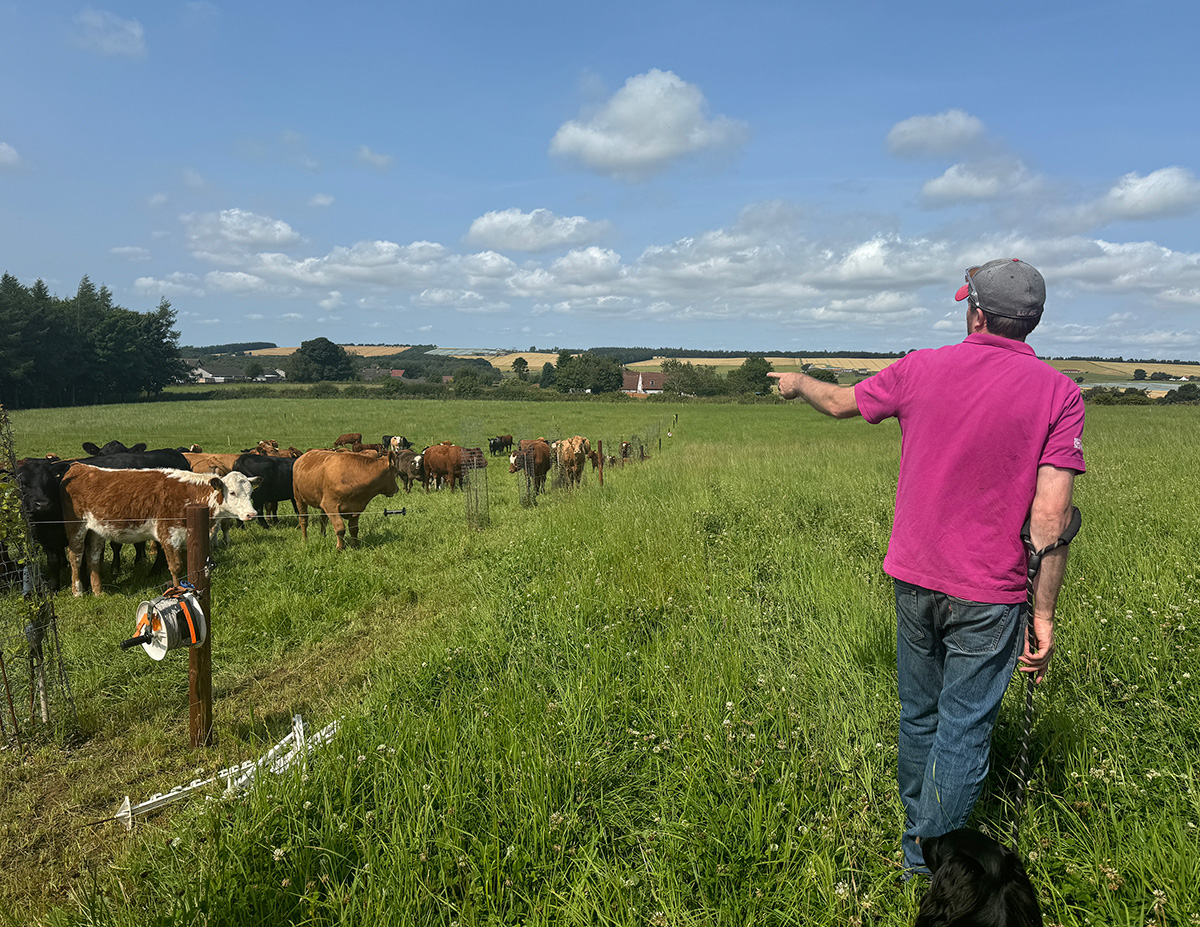
A tour of Balcaskie Estate to learn about their regenerative farming methods, followed by a visit to Bowhouse Butchery to understand their whole-animal approach, finishing with a long table feast of local, seasonal produce from the estate. Multiple dates running throughout summer 2026. One of the most complete field-to-fork experiences in Scotland.
Scotland Wild Food Festival – 19–20 September 2026
A two-day festival at Tir na nOg, Balfour Station, with guided walks, wild food seminars, plant ID sessions, seaweed tastings and themed events celebrating Scotland’s wild larder. Autumn is prime foraging season and this is a brilliant way to spend it.
scottishwildfoodfestival.co.uk
Ballintaggart Smoke and Fire Classes – Perthshire (year-round)
Classes held throughout the year at Ballintaggart Farm, teaching the art of cooking over open fire. If you want to learn to actually do something with what you’ve foraged, this is the place.
Foraging courses in Scotland
These are the instructors and organisations running regular foraging courses and wild food workshops across Scotland. Most welcome complete beginners.
The Little Foragers Kitchen – Scotland-wide
Seasonal foraging courses and wild food cookery sessions, announced via Instagram. Small groups, woodland learning and hands-on preparation of gathered ingredients. Worth following closely so you don’t miss upcoming dates.
thelittleforagerskitchen.com / Instagram
Edinburgh Forage & Eat – Edinburgh & Lothians
Led by expert forager Judith Lamb, these guided foraging walks often end with tastings or wild food preparation. A brilliant introduction to Scotland’s edible landscape and a genuinely lovely way to spend a day near Edinburgh.
edinburghforageandeat.com / Instagram
Wild Food Story – Scotland-wide
Foraging and wild food teaching content with seasonal course announcements. A great account to follow for limited-date wild food workshops, the kind that sell out before most people notice they’re on.
wildfoodstories.co.uk / Instagram
Mark Williams – Scotland-wide
Wild food teacher sharing harvest, preparation and cookery content. Courses and field sessions are announced seasonally, well worth following if you’re serious about learning to forage properly.
The Wild Cooke – Highlands & Ardnamurchan
Wild foraging experiences and workshops run by forager Lucy Cooke in the Highlands and Ardnamurchan region. Courses cover seasonal species identification, harvesting ethics and preservation techniques, finishing with a wild food picnic made from what you’ve foraged. A beautiful part of Scotland to spend a day outdoors in.
Wildwood Bushcraft – West Highlands / Coast
Coastal foraging day courses on Scotland’s rugged west coast near Moidart, foraging for edible shellfish, seaweed and woodland plants, learning safe and responsible harvesting, and cooking your wild lunch over a beach fire. Genuinely one of the most memorable ways to spend a day in the Highlands.
wildwoodbushcraft.com/scotland-courses
Galloway Wild Foods – Galloway & South West Scotland
A well-established foraging organisation running a full calendar of guided walks and events in Galloway, from early spring forest forages to seaweed-focused coastal days. They also offer private bookings themed around specific subjects – fungi, seaweeds, foraged cocktails. A great all-round resource for wild food in south west Scotland.
Your questions about foraging in Scotland, answered
Do I need experience to join a foraging class?
Not at all. Most beginner-level courses are designed for people who can’t yet tell a chanterelle from a leaf, instructors will teach plant identification, safety principles and sustainable harvesting from scratch. Some immersive weekend or bushcraft programmes suit those wanting to go deeper, but they’re still typically accessible to newcomers.
What actually happens during a foraging course?
Usually a combination of: a guided walk identifying edible plants, fungi or seaweeds; discussion of safety, lookalikes and ethical harvesting; a tasting of what you’ve found; and some kind of wild food at the end – a picnic, a snack, a cookery demonstration or a full meal cooked over fire. The more hands-on the better, in my opinion.
Is foraging legal in Scotland?
Yes – Scotland’s access laws allow responsible foraging under the Scottish Outdoor Access Code. The golden rules: only take what you need, don’t uproot plants unless permitted, never forage on private land without permission, and follow local conservation guidance. Every reputable course leader will teach ethical harvesting as standard.
What’s the difference between a foraging walk and a wild cooking experience?
Some experiences focus purely on identifying edible species and understanding the landscape. Others go much further, open-fire cooking, shoreline shellfish preparation, wild bread baking, foraged tasting menus, chef-led wild feasts, regenerative farming visits. If you’re specifically interested in the cooking side, look for “forage and cook,” “wild kitchen” or “fire cookery” in the course description.
When is the best time of year to go foraging in Scotland?
Foraging is a year-round pursuit in Scotland, but each season has its highlights. Spring brings wild garlic, young greens and coastal herbs. Summer offers berries, flowers and shoreline plants. Autumn is the mushroom and fungi season – by far the most popular time of year, and courses book out fast. Winter is quieter but brilliant for seaweeds, roots and preservation-focused sessions.
You might also like
- My favourite field to fork restaurants in Scotland
- The best cook schools and cooking classes in Scotland
- My favourite Scottish food producers and farm shops
- All my guides to what and where to eat in Scotland
Love from Scotland x