Scotland is very good at building sensible things. Roads. Bridges. Houses that mostly keep the wind and rain out.
But the long, dark winters seem to encourage a touch of madness – which may explain these twenty man-made Scottish structures that are slightly unhinged – and some of the weirdest places in Scotland.
This is a list of genuinely bonkers, man-made oddities in Scotland. All places listed are real and still standing.
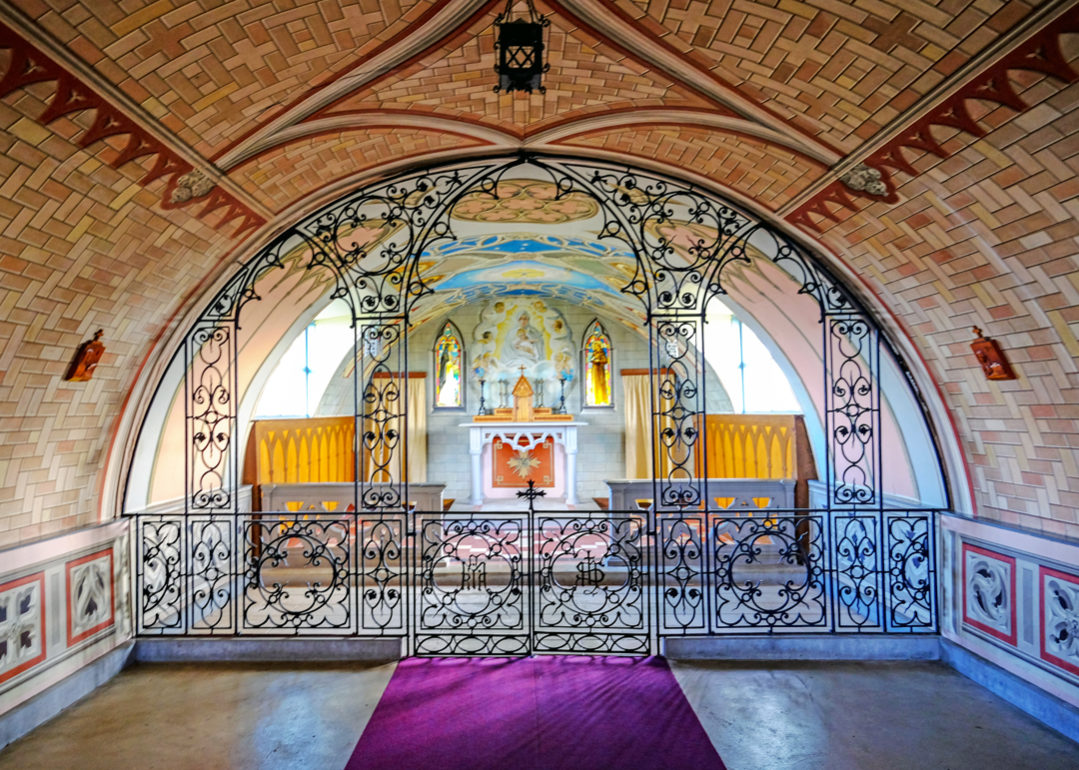
The Italian Chapel, Orkney
A chapel built from Nissen huts by Italian prisoners of war, the Italian Chapel was constructed between 1943–45 by POWs captured in North Africa and brought to Orkney to work on the Churchill Barriers. Using scrap materials, they transformed two huts into a richly decorated place of worship.
Why it’s bonkers: One of Scotland’s most beautiful chapels started life as a shed.
Visit: The Italian Chapel in Orkney
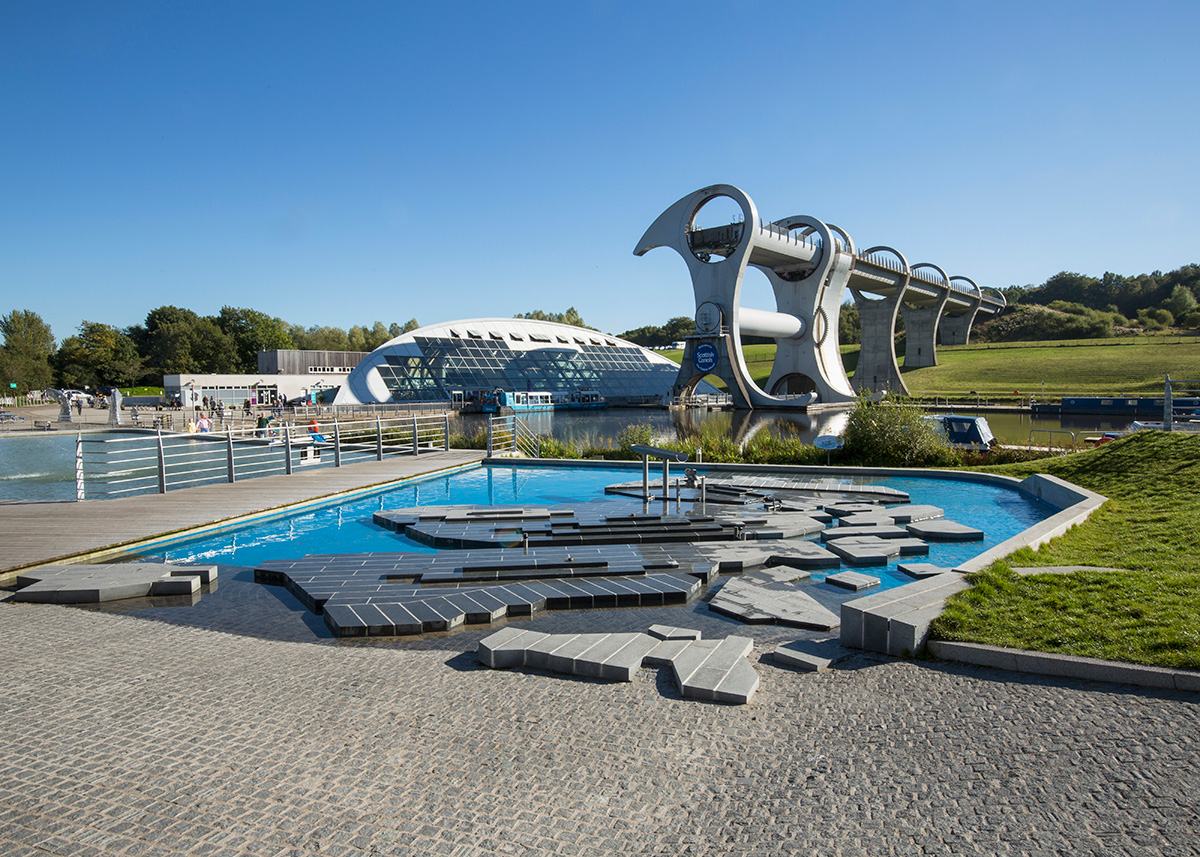
The Falkirk Wheel, Falkirk
One of the most unusual Scottish buildings, the Falkirk Wheel is rotating boat lift connecting two canals. The Falkirk Wheel opened in 2002 to reconnect the Forth & Clyde and Union Canals, replacing a long-demolished flight of locks. It lifts boats 24 metres using elegant, balanced engineering.
Why it’s bonkers: Scotland solved a practical problem by inventing a giant rotating water sculpture.
VisIt: The Falkirk Wheel.
The Devil’s Staircase, Glencoe
A steep zig-zag military road climbing a mountain, the Devil’s Staircase was constructed in the 18th century to allow government troops to move quickly through the Highlands after the Jacobite uprisings.
Why it’s bonkers: Named by people who clearly resented every step.
Hike: The Devil’s Staircase
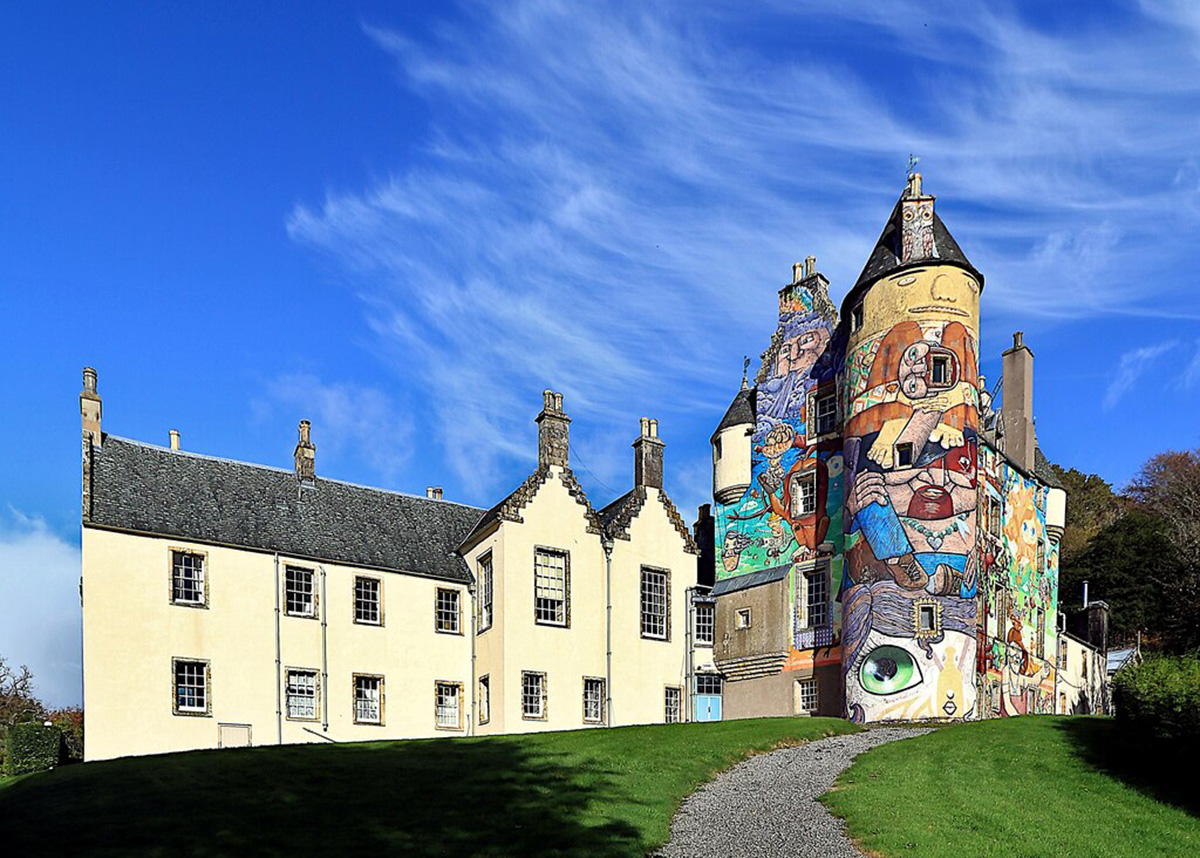
Kelburn Castle, Ayrshire
One of Scotland’s stranger landmarks, Kelburn Castle was built in the 13th century and still home to the Earl of Glasgow. The castle was given a temporary graffiti makeover in 2007 by Brazilian artists. The family liked it so much they never removed it.
Why it’s bonkers: A 700-year-old aristocratic home said “yes” to spray paint and everyone collectively agreed it was fine.
Visit: Kelburn Estate
St Conan’s Kirk, Loch Awe
A church redesigned repeatedly by one man over 44 years, Walter Douglas Campbell began building the church in 1886 and simply never stopped altering it, incorporating multiple styles, shrines, and imported stones until his death in 1914.
Why it’s bonkers: Architectural indecision, fully realised.
Visit: St Conan’s Kirk on Loch Awe
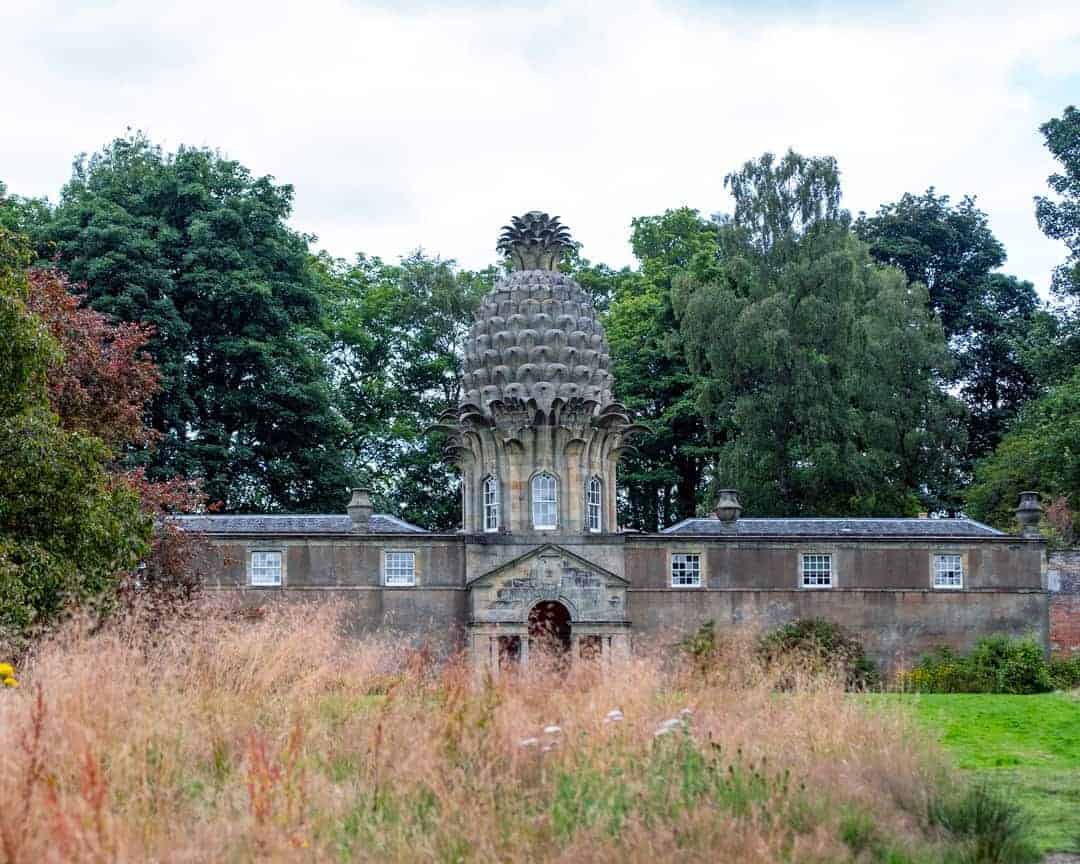
The Dunmore Pineapple, Falkirk
A garden pavilion crowned with a gigantic stone pineapple, the Dunmore Pineapple was built in 1761 by the Earl of Dunmore, recently returned from governing colonies abroad. Pineapples were symbols of wealth, hospitality, and global reach.
Why it’s bonkers: Someone expressed wealth by creating a building which looks like a fruit.
Visit: the Dunmore Pineapple
The Wallace Monument, Stirling
A colossal tower completed in 1869 during a surge of Victorian nationalism, the monument honours William Wallace as a symbol of Scottish resistance and identity.
Why it’s bonkers: National memory at considerable expense.
Visit: The National Wallace Monument
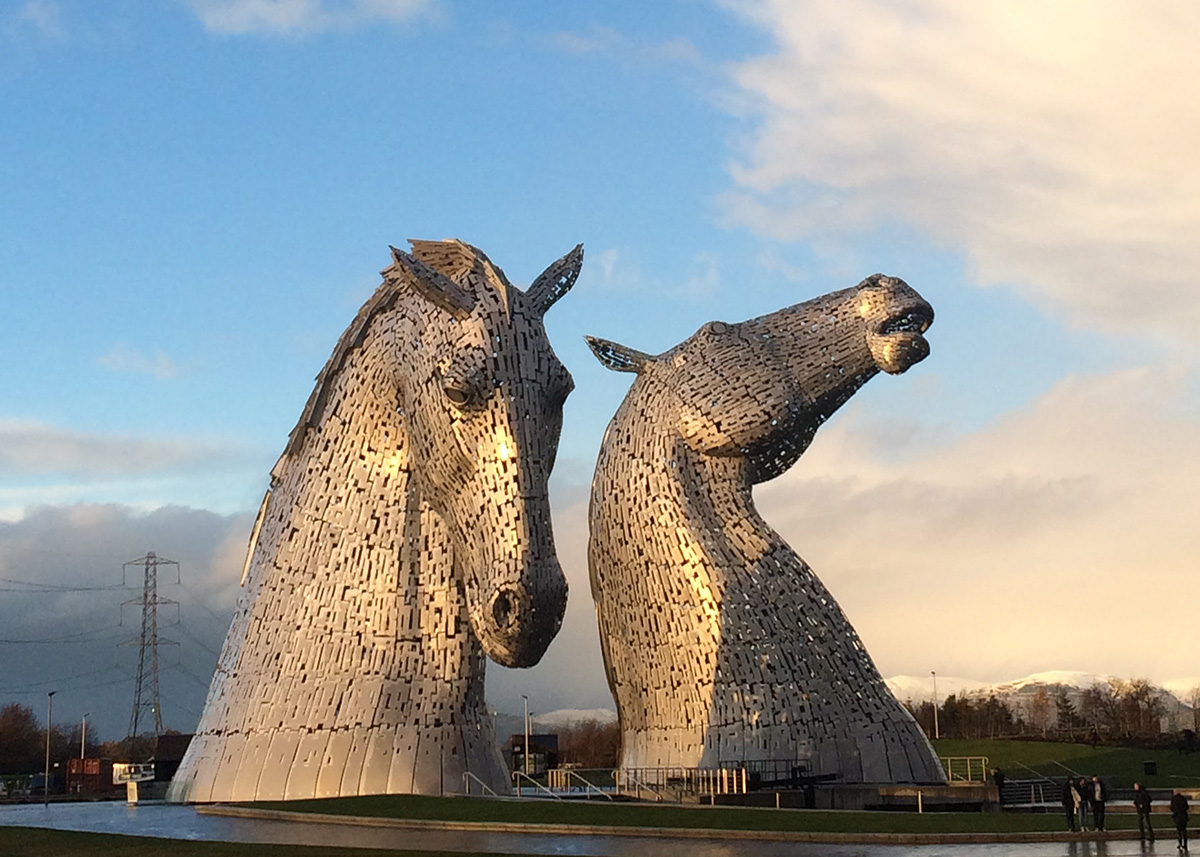
The Kelpies, Falkirk
Two 30-metre-high steel horse heads looming beside a canal, The Kelpies were completed in 2013 by sculptor Andy Scott. The Kelpies reference mythological water spirits while also honouring the working horses that powered Scotland’s industrial canals.
Why it’s bonkers: A folkloric menace scaled up to “visible from the motorway” proportions.
Visit: The Kelpies
The Hill House Box, Helensburgh
An Arts and Crafts house now wrapped inside a giant steel mesh box, Hill House was designed by Charles Rennie Mackintosh in 1904. Hill House began dissolving due to experimental materials and Scottish weather. In 2019, it was enclosed inside a breathable steel structure to dry out over decades.
Why it’s bonkers: A house in a box, because the house couldn’t cope with being a house.
Visit: The Hill House
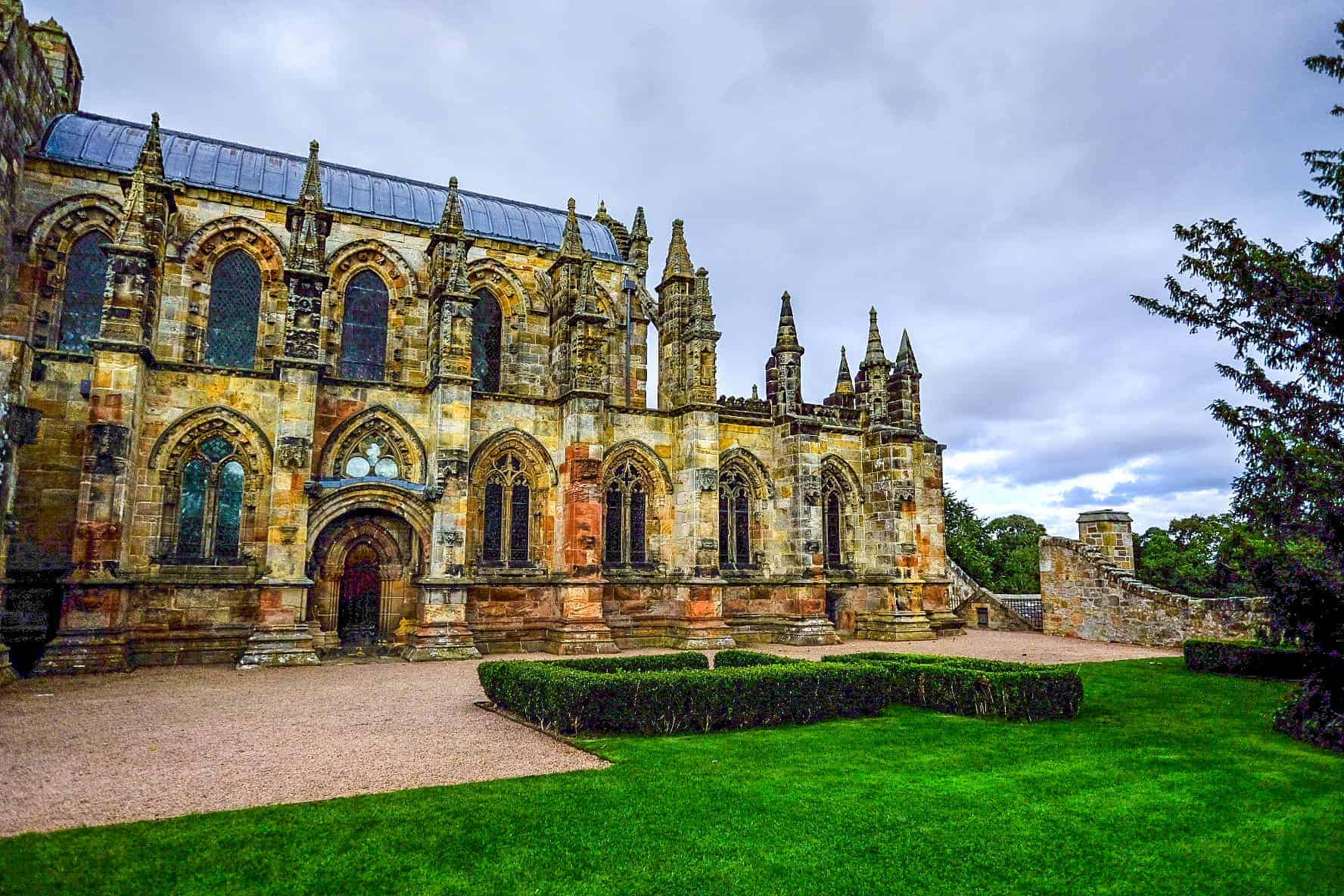
Rosslyn Chapel, Midlothian
A small chapel absolutely drowning in carvings and symbols, Rosslyn Chapel was built in the 15th century by William Sinclair, who employed master masons to cover the interior with biblical scenes, mythical beasts, plants, and patterns – many added long after the chapel was structurally complete.
Why it’s bonkers: Every square inch is doing narrative heavy lifting. No surface left behind.
Visit: Rosslyn Chapel
The Devil’s Porridge Museum, Eastriggs
A museum dedicated to explosive cordite. During World War I, Britain’s largest cordite factory operated here, employing thousands of women who nicknamed the boiling explosive mixture “the Devil’s porridge.”
Why it’s bonkers: A workplace nickname became a museum.
Visit: The Devil’s Porridge Museum
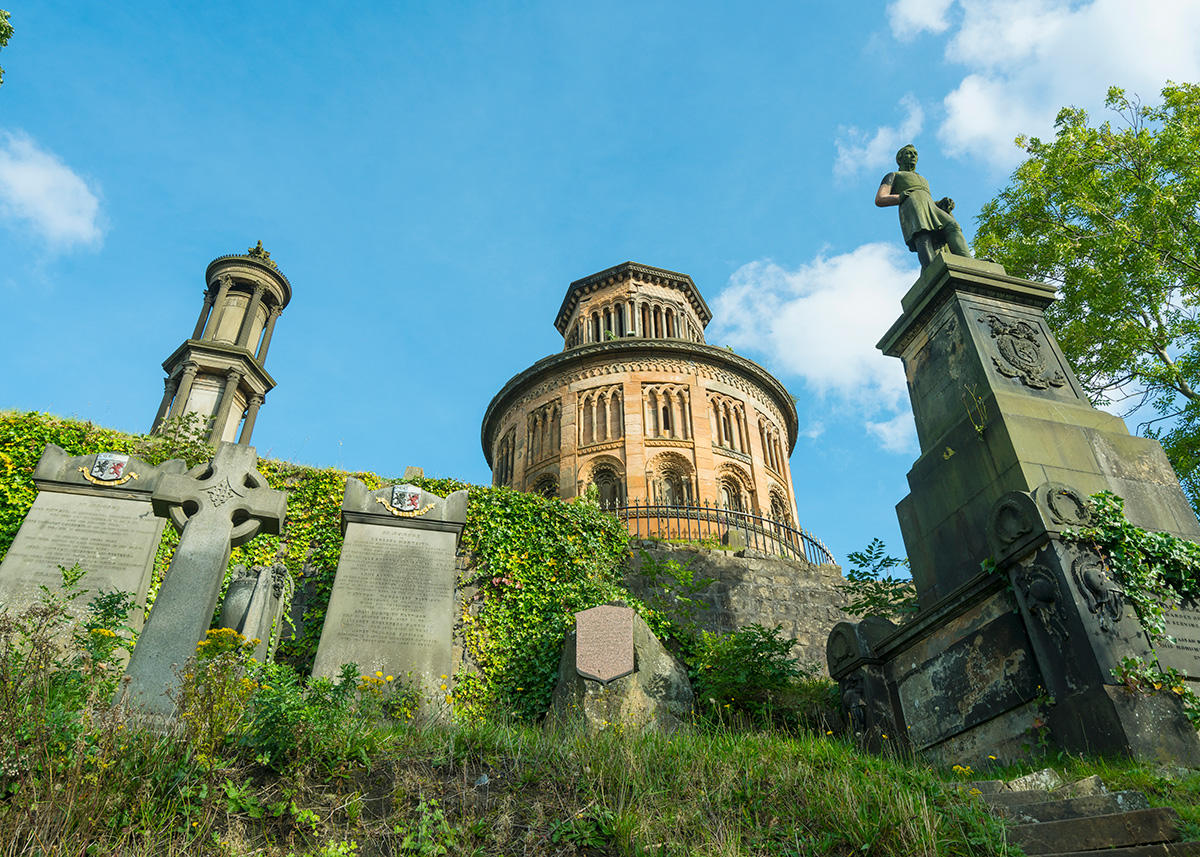
The Glasgow Necropolis
Established in 1832, inspired by Père Lachaise in Paris. Wealthy Glaswegians commissioned increasingly elaborate monuments to demonstrate status, success, and moral worth — even in death.
Why it’s bonkers: Status anxiety in stone.
Visit: The Glasgow Necropolis
The Electric Brae, South Ayrshire
A short stretch of road where cars appear to roll uphill, Electric Brae is a visual illusion caused by the surrounding landscape’s slope and horizon, confusing drivers for generations and inspiring countless theories involving magnetism, gravity failure, or mild witchcraft.
Why it’s bonkers: A visual illusion caused by the surrounding landscape. Scotland briefly opted out of physics.
Find out more: The Electric Brae
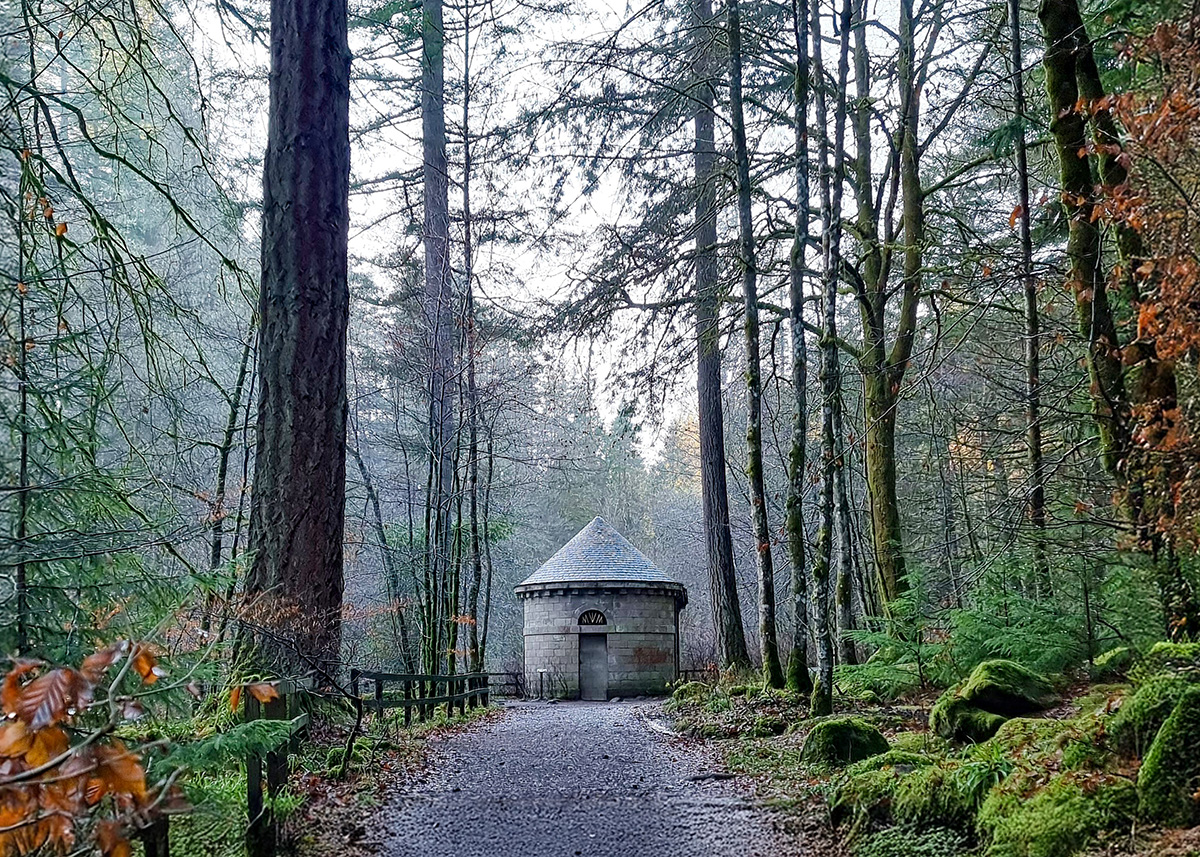
Ossian’s Hall, Perthshire
A building constructed solely to frame a waterfall, Ossian’s Hall was built in the 1750s as part of the Hermitage estate during a craze for the poems of “Ossian,” a largely fictional ancient bard invented (or heavily embellished) by James Macpherson.
Why it’s bonkers: Nature staged as theatre.
Find out more: Ossian’s Hall
Whaligoe Steps, Caithness
Hundreds of hand-cut stone steps plunging down a sheer sea cliff, the Whaligoe Steps were carved in the 18th century so fishing families — often women carrying heavy loads — could reach boats and haul catches up from the harbour below.
Why it’s bonkers: Human determination expressed as extreme cardio.
Visit: The Whaligoe Steps
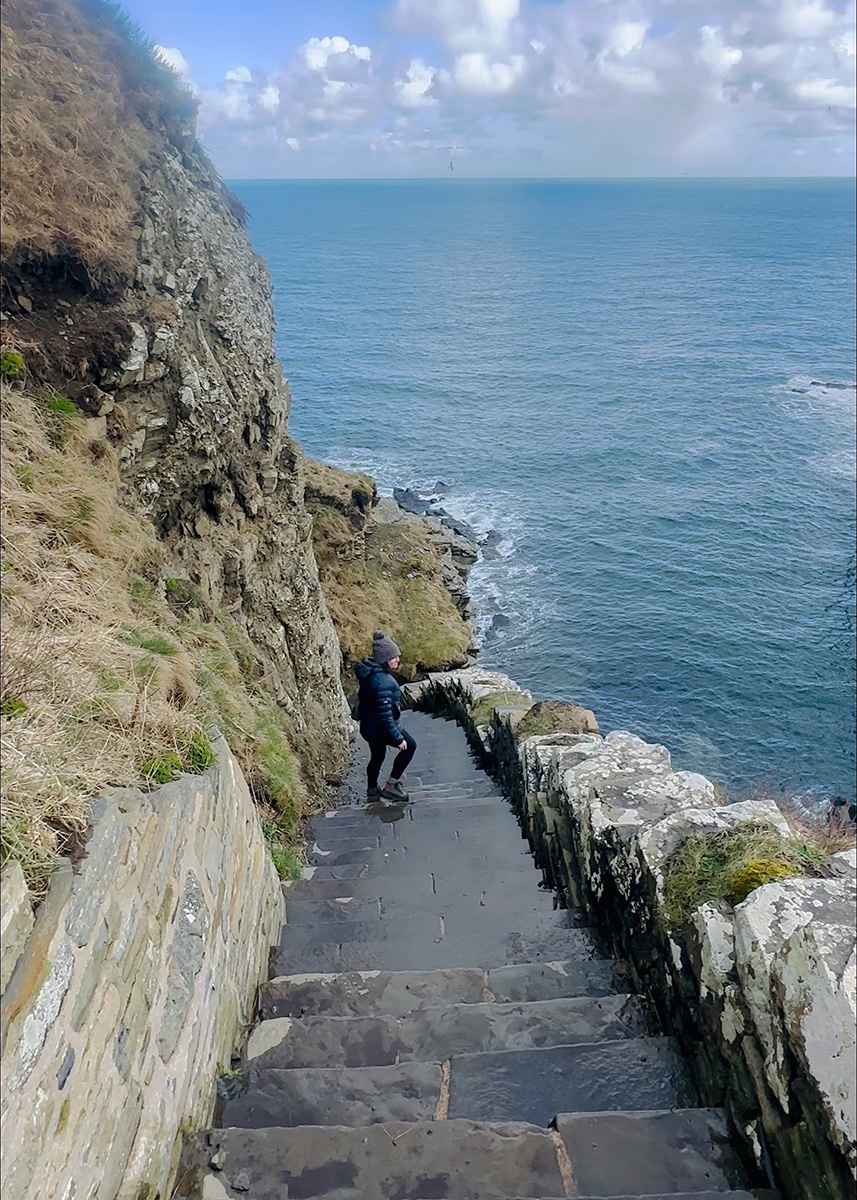
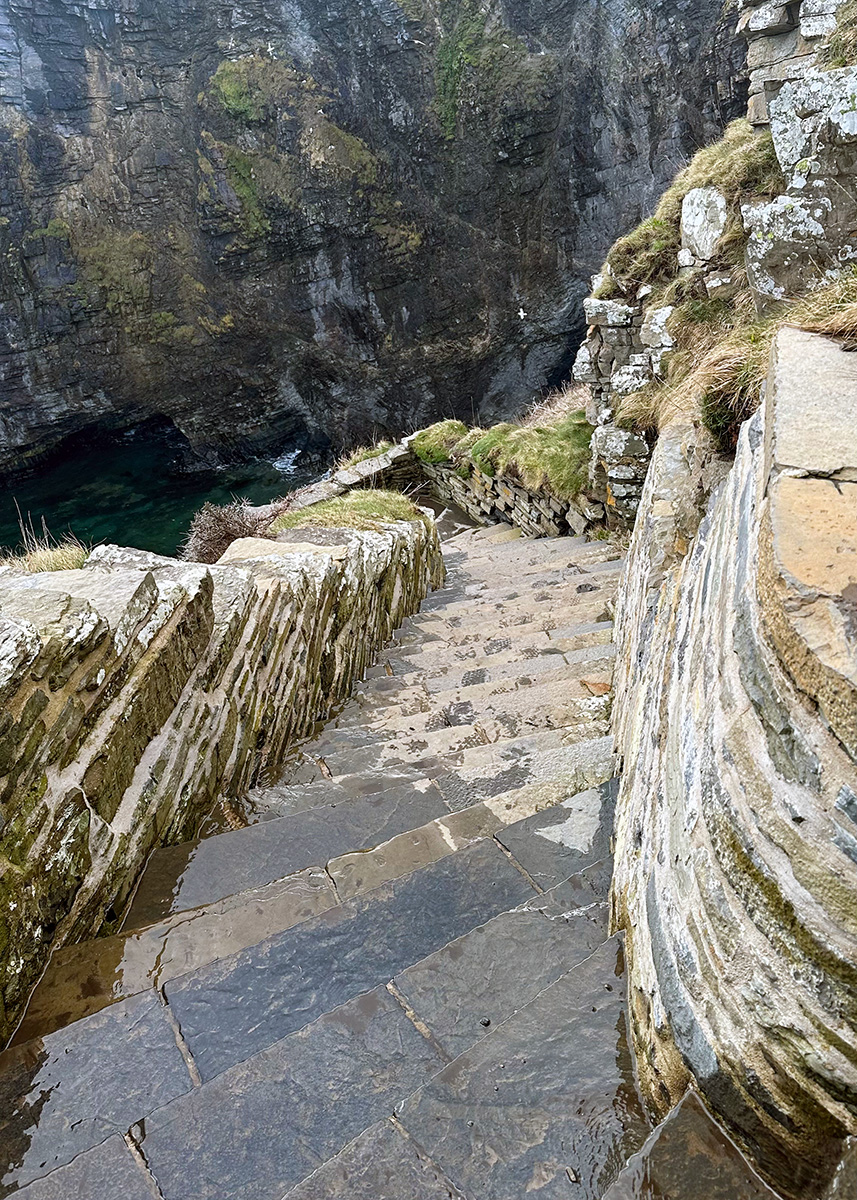
Whaligoe Steps, Caithness – hundreds of steps cut into a cliff because that was easier than not fishing.
Sueno’s Stone, Forres
A 6.5-metre-tall Pictish monument carved with violent battle scenes, Sueno’s Stone dates from around 900 AD, it likely commemorates a major military victory. Its exact meaning is unknown, but the imagery is unambiguously intense.
Why it’s bonkers: So historically powerful it now lives inside a glass box.
Visit: Sueno’s Stone
The Inchindown Oil Tanks, Highlands
Massive underground WWII fuel tanks hidden beneath a hillside, The Inchindown Oil Tanks were built to store fuel for the Royal Navy during World War II.
Why it’s bonkers: Due to the size of the tanks, echoes last over a minute, making them accidentally haunted.
Find out more: The Inchindown Oil Tanks
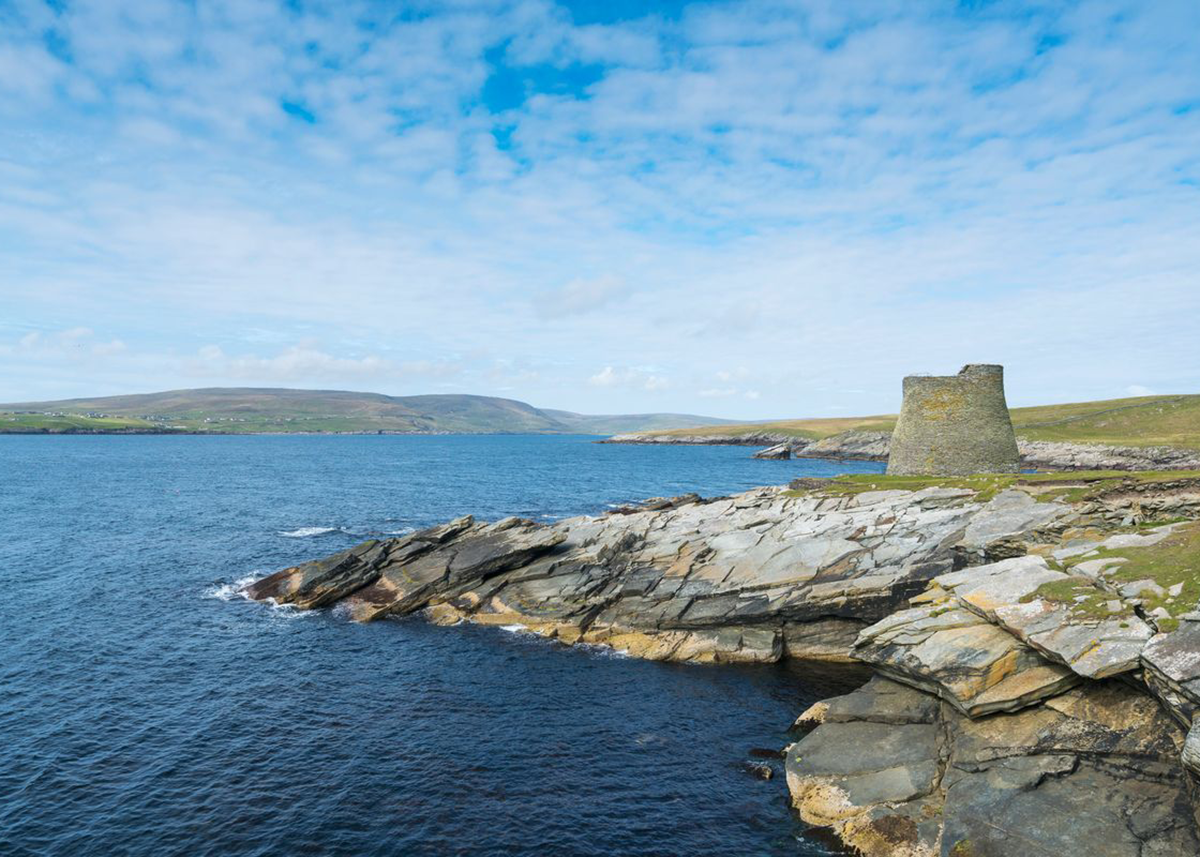
Mousa Broch, Shetland
A 2,000-year-old dry-stone tower, Mousa Broch was built during the Iron Age, entirely without mortar. Its purpose remains debated – defence, prestige, storage, or all three – but its construction is undeniably sophisticated.
Why it’s bonkers: Engineering brilliance with no surviving instruction manual.
Visit: Mousa Broch
Stone of Destiny, Perth
A coronation stone endlessly moved, stolen, copied, and argued over, the Stone of Destiny was used for centuries in Scottish coronations, seized by Edward I in 1296, returned in 1996, and still occasionally sparks constitutional drama.
Why it’s bonkers: A block of sandstone caused several centuries of political chaos.
Visit: The Stone of Destiny
Bowmore Round Church, Islay
A church with no corners might sound like something from a children’s book, but Bowmore Round Church is very real. Built in 1828, it’s the only round church in Scotland and it sits proudly above Loch Indaal on the island of Islay.
Why it’s bonkers: Legend has it that the church was designed without corners so the devil would have nowhere to hide during sermons.
Weirdest buildings in Scotland FAQs
What are the weirdest places in Scotland?
Scotland has many unusual man-made landmarks, including the Italian Chapel, the Dunmore Pineapple, and the Falkirk Wheel.
Are these places real and open to visitors?
Yes. Every site listed is a real, historically documented structure in Scotland, though access varies.
Why does Scotland have so many strange buildings?
Many were built by eccentric landowners, Victorian engineers, or during periods where practicality was optional.
Love from Scotland x
I’m Kate, the Scotland-based travel writer behind Love from Scotland. I share first-hand destination guides and accommodation recommendations across Scotland. Let me help you plan your best ever trip!